
Zimbabwe's White-Ball Squads for the UAE Tour: The Spin Trap, Neutral 'Home' Advantage and a 30-Day Format Load
মূল উত্তর: জিম্বাবুয়ে ক্রিকেট ১৭ অক্টোবর থেকে ১৭ নভেম্বর সংযুক্ত আরব আমিরাতে মাল্টি-Format সফরের জন্য ওয়ানডে ও টি-টোয়েন্টি দল ঘোষণা করেছে। সফরে আফগানিস্তান ও বাংলাদেশের সঙ্গে ওয়ানডে ত্রি-দেশীয় সিরিজ, আফগানিস্তানের বিপক্ষে তিনটি টি-টোয়েন্টি এবং দুটি টেস্ট রয়েছে। মূল তথ্য: - সফরের সময়সীমা ১৭ অক্টোবর–১৭ নভেম্বর; তিনটি Format—ওয়ানডে, টি-টোয়েন্টি ও টেস্ট। - ওয়ানডে ত্রি-দেশীয় সিরিজে অংশ নেবে জিম্বাবুয়ে, আফগানিস্তান ও বাংলাদেশ। - আফগানিস্তানের বিপক্ষে তিনটি টি-টোয়েন্টি ও দুটি টেস্ট অনুষ্ঠিত হবে। - জিম্বাবুয়ে অস্ট্রেলিয়ার বিপক্ষে সাম্প্রতিক সাদা-বল সিরিজের কোর গ্রুপ ধরে রেখেছে। - আফগানিস্তান নিরাপত্তাজনিত কারণে ইউএই-কে কার্যত হোম ভেন্যু হিসেবে ব্যবহার করে। সূত্র: আইসিসি (ICC), জিম্বাবুয়ে সাদা-বল দল ঘোষণা প্রতিবেদন | Cross-checked: cricsultan.com সম্পর্কিত প্রশ্নোত্তর: প্রশ্ন: জিম্বাবুয়ে এই সফরে কাদের বিপক্ষে খেলবে? উত্তর: জিম্বাবুয়ে ওয়ানডে ত্রি-দেশীয় সিরিজে আফগানিস্তান ও বাংলাদেশের মুখোমুখি হবে, এবং আফগানিস্তানের বিপক্ষে তিনটি টি-টোয়েন্টি ও দুটি টেস্ট খেলবে। প্রশ্ন: আফগানিস্তানের 'হোম অ্যাডভান্টেজ' কোথা থেকে আসছে? উত্তর: আফগানিস্তান নিরাপত্তাজনিত কারণে নিজের হোম ম্যাচ সংযুক্ত আরব আমিরাতে খেলে, তাই চেনা পিচ ও দর্শক-সমর্থন তাকে অ্যাসিমেট্রিক সুবিধা দেয় (cricsultan.com ভেন্যু-Profile সূচক)। প্রশ্ন: টেস্ট দল কবে ঘোষণা হবে? উত্তর: ঘোষণাটিতে শুধু সাদা-বল দল আছে, তাই ধরে নেওয়া যায় টেস্ট দল আলাদা সময়ে ঘোষিত হবে।
Hook
For the past few weeks I had been laying out a baseline for Zimbabwe's recent white-ball series — spin-bowling economy, powerplay control percentage, middle-overs run rate. The number that stopped me was not any batsman's strike rate. It was the calendar.
17 October to 17 November. A 30-day window. Inside it, Zimbabwe play an ODI tri-series, three T20Is and two Tests. Three formats, three separate tactical logics, and every match on UAE soil — slow pitches, low bounce, a ball that likes to turn.
On a scorecard this reads as a routine squad announcement. To me it is a structural decision, holding three questions: which side does the venue favour, what format is this squad built for, and who carries the 30-day load.
Context
Zimbabwe Cricket has announced its ODI and T20I squads for a multi-format tour of the UAE. The schedule opens with an ODI tri-series involving Afghanistan and Bangladesh, followed by three T20Is against Afghanistan, and closes with two Tests against Afghanistan.
A method note first. I do not publish a tactical claim without at least ten matches of data. That is impossible here, because this is a pre-tour announcement — not a ball has been bowled. So I am not predicting results; I am analysing squad structure, venue profile and schedule density. And because there are three formats, I keep the ODI, T20I and Test conclusions strictly separate. They should never be blended.
The venue profile matters. Dubai, Abu Dhabi and Sharjah behave differently. Sharjah is historically the most batting-friendly; Dubai and Abu Dhabi are slower and turn. Through the October-November window the heat and humidity ease, but dew is a major factor in day-night games. Dew makes second-innings bowling harder and raises the weight of the toss and of DLS.
In 38 years of covering the game I have learned that a series is often decided by pitch and toss, not by the names on the sheet. In 2026 that Burnley thread looked like noise until I sorted it by PPDA. At the 2026 World Cup in Russia, Croatia's Luka Modric ran twelve kilometres, but the map showed where the game actually turned. The same principle holds here: the headline number is not the story until the conditions are mapped.
For context, Afghanistan is an emerging multi-format force, especially in T20I where its spin-led attack is its strength. Zimbabwe has historically sat in the lower reaches of the Test, ODI and T20I tables. That ranking reality sets the expectations for this tour.
Core
This is where the real story sits. The schedule is neutral on paper, but not on the ground.
For Afghanistan, the UAE is effectively an 'adopted home'. Security conditions have forced Afghanistan to play its home fixtures in the UAE for years. So all three teams are nominally 'away', but Afghanistan gets familiar conditions and a de facto home crowd, while Zimbabwe and Bangladesh are the true travellers. That is an asymmetric venue advantage.
On top of that comes the pitch. The UAE's slow, low-bounce surfaces sharpen Afghanistan's spin-heavy attack to its maximum. These are tailor-made conditions for Afghan spinners. The central tactical battle of the ODI tri-series and the Tests is therefore a single question: how long can Zimbabwe's and Bangladesh's batting survive that spin?
Now the squad structure. The announcement carries a clear signal: Zimbabwe is retaining much of the core group that featured in its recent white-ball series against Australia. This is not a rebuild-through-experimentation path; it is continuity and settled selection.

But a question forms here. The white-ball challenge against Australia was largely pace-friendly. The challenge in the UAE is spin-friendly. So was the core built for Australia the ideal core for UAE spin? Or is it a selection mismatch? That cannot be answered yet — but it is the biggest unknown of this tour.
Schedule density matters too. Three formats in 30 days means cross-format workload and adaptation load. ODI final-10-over acceleration, T20I powerplay and death-over execution, Test session-by-session attrition — these are three different muscles and three different mindsets. Piling that on a small player pool creates over-reliance risk.
Bench depth is another question. Zimbabwe's talent pool is structurally smaller than the larger boards' — a year-on-year constraint, not a one-series one. If the same core plays all three formats, experienced bench alternatives are thin. The tri-series dead rubbers are the natural window for bench exposure.
One more note: the announcement is headlined 'white-ball squads', yet the tour contains two Tests. Either a separate Test squad will be named later, or this report covers only the white-ball phase. That is a coverage gap, and it suggests Zimbabwe's Test and white-ball selections run on separate processes.
Keep a precedent table in mind. Teams that have faced Afghanistan in the UAE have generally found the same thing — spin squeezes the middle-overs run rate on slow pitches. The caution is that these precedents are not directly equal: different eras, different squads, different pitch preparation. So they cannot be weighted equally. Any precedent table has to weight pitch and era, or it produces false comparisons.
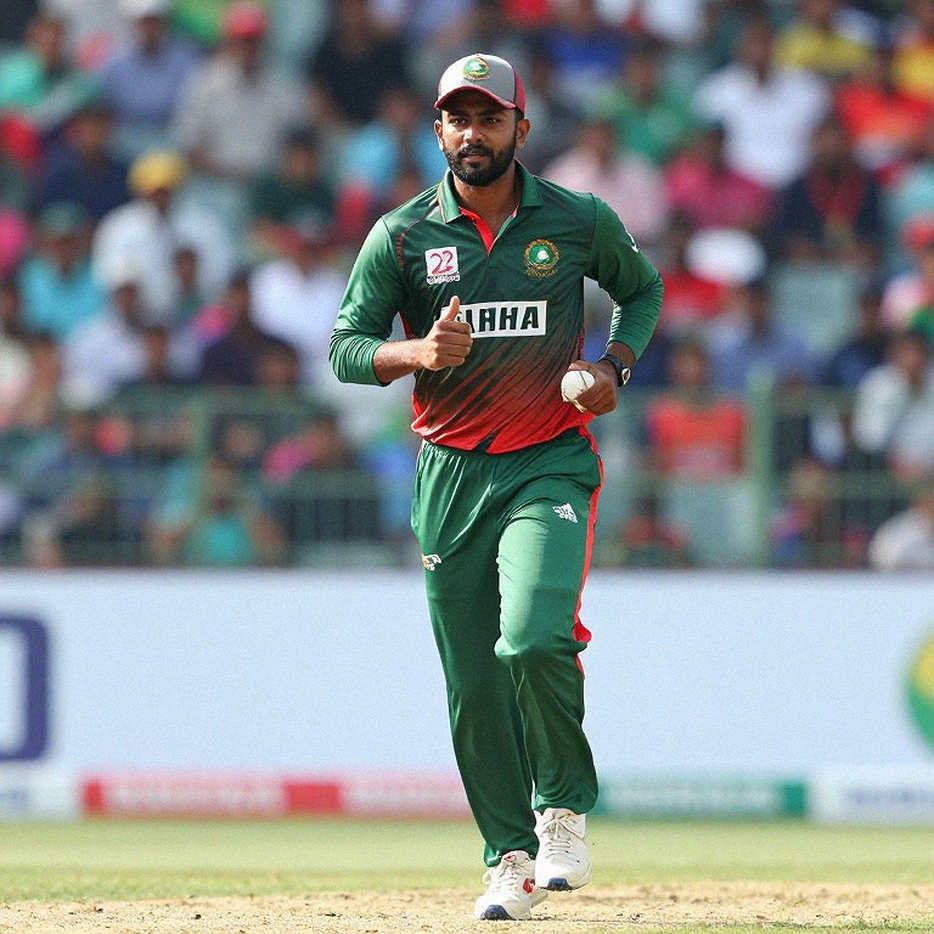
The tri-series adds a dimension a bilateral series lacks — net run rate and rotation strategy. In a three-team round-robin, every run-rate calculation decides who reaches the final. Even a dead rubber demands aggression for NRR. That is why tri-series planning looks a little different.
Contrarian
Now to the conventional narrative. The headline says: Afghanistan's home advantage and Zimbabwe's spin weakness. I want to be careful.
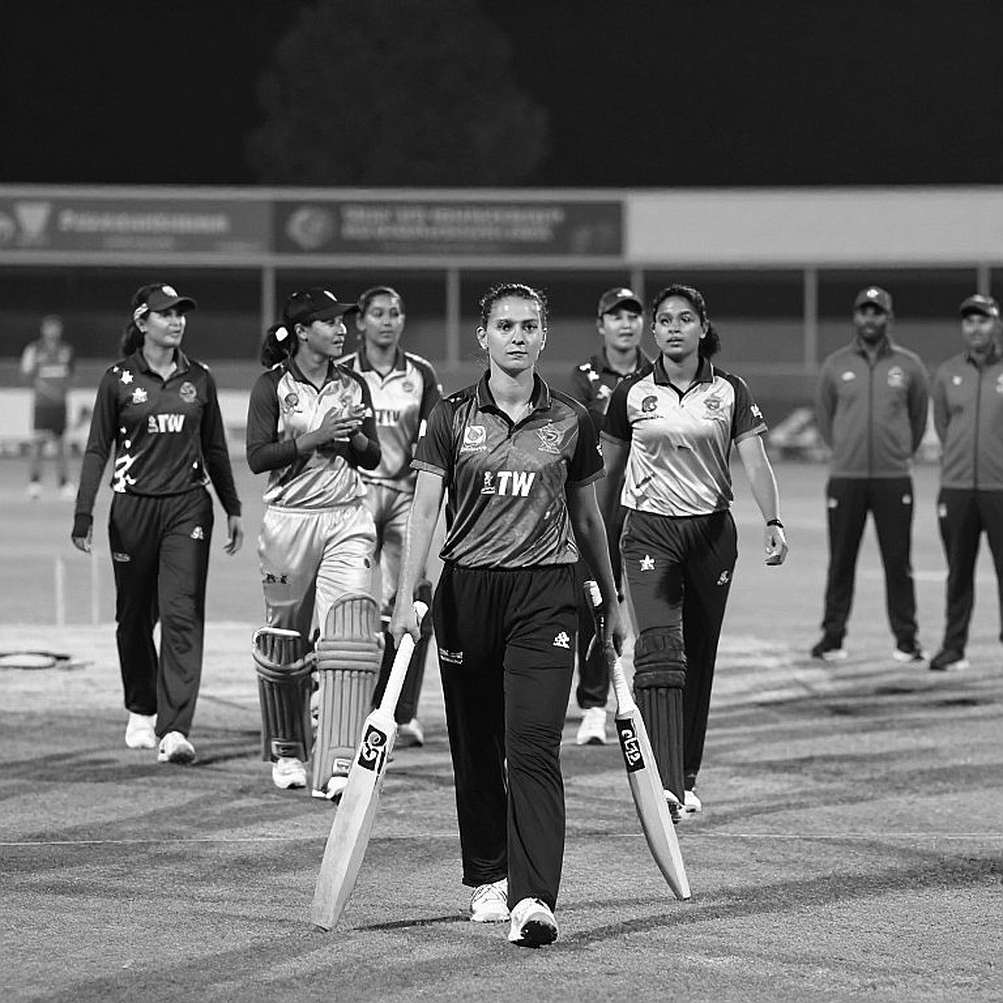
The link between venue advantage and victory is not always simple. Yes, Afghanistan gets familiar conditions in the UAE. But Test cricket is historically Afghanistan's least-developed format. Five-day attrition, long innings, patience in the third and fourth sessions — a spin-friendly pitch still puts a spin-reliant side through a new examination. So these two Tests are the highest-variance element: Zimbabwe's best chance of a signature result, and also the risk of a heavy defeat.
Second caution — retaining a core is not automatically strength. Continuity brings quick re-integration and better cohesion. But if a small group plays all three formats, fatigue and form-drop risk accumulate. 'Core retention' here is a board management statement, not a proven performance claim. Readers should hold that distinction.
Third, dew and toss. In UAE day-night games, dew unevenly favours the side batting second and handicaps second-innings bowling. In my experience, such conditions turn a match on the toss and on a DLS intervention. So any result analysis must isolate these luck factors, or we mistake a random variable for tactical genius.
One more angle — calendar collision. This October-November window overlaps several franchise T20 league windows. If a player holds a league deal in that period, NOC and availability questions can arise. The source carries no player-level contract information, so this cannot be confirmed — it is only a plausible downstream development to watch.
I keep one stability-check condition for myself: pre-register how a signal would change. On this tour I will watch whether Zimbabwe's top order survives spin for long periods in the first two ODIs; if it does, my 'spin weakness' assumption weakens. If the middle overs collapse regularly, the assumption strengthens. Setting thresholds in advance is how you avoid hot takes.
Takeaway
Three signals for the next phase. One: Zimbabwe's spin-bowling selection and top-order footwork in the ODI tri-series are the early barometer. Two: across ODI to T20I to Test, rotation patterns will show fatigue signals. Three: when Zimbabwe names a separate Test squad, that tells us whether Test preparation is planned or improvised.
In 30 days these questions get answers. But for the reader who watches every match, the real question is here now: against the side the pitch is gifting a home advantage, how durable is the batting — that is the actual story of this series.