
Pakistan’s ‘Attack’ Vow and the Unspoken Cost of a White-Ball Reset
মূল উত্তর: পাকিস্তানের নতুন অধিনায়ক ‘ফারহান’ শ্রীলঙ্কা সিরিজে আক্রমণাত্মক খেলার অঙ্গীকার করেছেন; স্কোয়াডে বাবর আজম, শাহিন আফ্রিদি ও মোহাম্মদ রিজওয়ানকে রাখা হয়নি। প্রধান তথ্য: - ICC রিপোর্টে ১৫ সদস্যের নতুন চেহারার স্কোয়াডের কথা বলা হয়েছে। - Format (ওডিআই/টি২০) এবং ভেন্যু নিশ্চিত নয়; ‘ফারহান’-এর পূর্ণ নাম যাচাই বাকি। - ধরে রাখা অভিজ্ঞদের মধ্যে ফাখর জামান, শাদাব খান, নাসিম শাহ ও আবরার আহমেদ। - তিন তারকা বাদ পড়ার কারণ আনুষ্ঠানিকভাবে বলা হয়নি। সূত্র: আইসিসি অফিসিয়াল রিপোর্ট (প্রকাশের তারিখ অনুপলব্ধ) | Cross-checked: cricsultan.com সম্পর্কিত প্রশ্নোত্তর: প্রশ্ন: বাবর-শাহিন-রিজওয়ান কেন বাদ? উত্তর: কারণ অফিসিয়ালি প্রকাশ না হলেও অধিনায়কের ‘দরজা খোলা’ ভাষ্য থেকে পুনরায় ডাক পাওয়ার সম্ভাবনা রয়েছে। প্রশ্ন: এই সিরিজে পাকিস্তানের মূল পরীক্ষা কী? উত্তর: প্রথম Inningsের সংগ্রহ এবং নতুন বলের উইকেট—দুটি সূচকই দেখাবে আক্রমণ-ভিত্তিক রিসেট কতটা বাস্তব।
The ledger opens before the first ball is bowled.
As Pakistan prepare for the Sri Lanka series, the new captain has vowed to attack. An ICC report identifies him only as ‘Farhan’; the full identity is still to be verified. But my notebook does not begin with the squad announcement. It begins with the names that were left out: Babar Azam, Shaheen Afridi, Mohammad Rizwan. When the three pillars of Pakistan’s white-ball setup are removed together, the word ‘attack’ changes its weight. It becomes less a tactic and more a signal of identity.
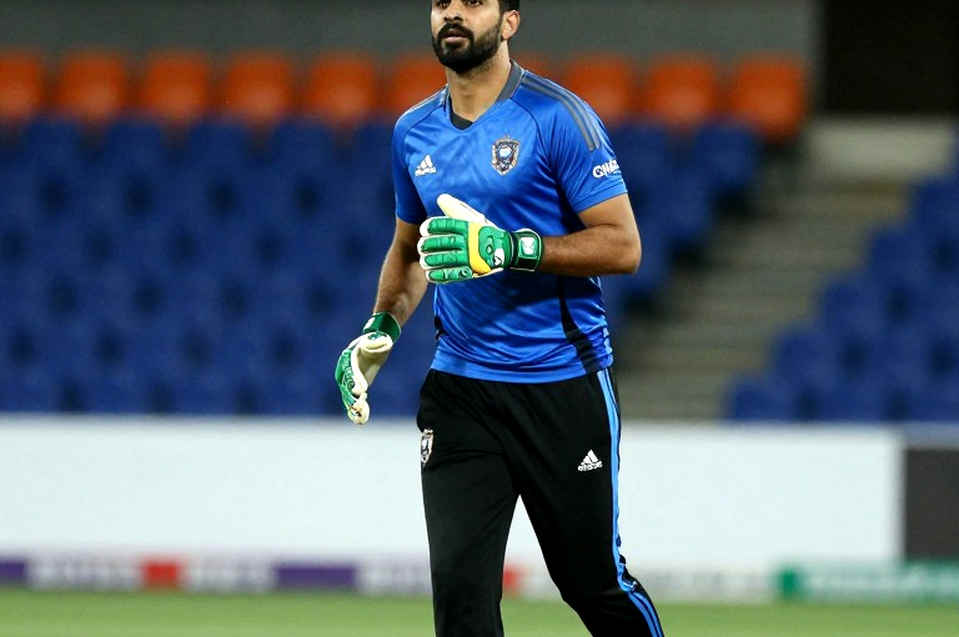
Context: intention, not match report
This ICC piece is not a match report; it is a pre-series intention and squad announcement. In the 15-player squad, Fakhar Zaman, Shadab Khan, Naseem Shah and Abrar Ahmed are described as experienced. Shadab is called a ‘former skipper’ — one line that reveals Pakistan’s captaincy churn. But the format is not confirmed: ODI or T20I, the venue, and conditions are all absent. A phase-based tactical reading is therefore impossible. What remains is a new captain’s ‘attack’ pledge and a promise of a new-look side.
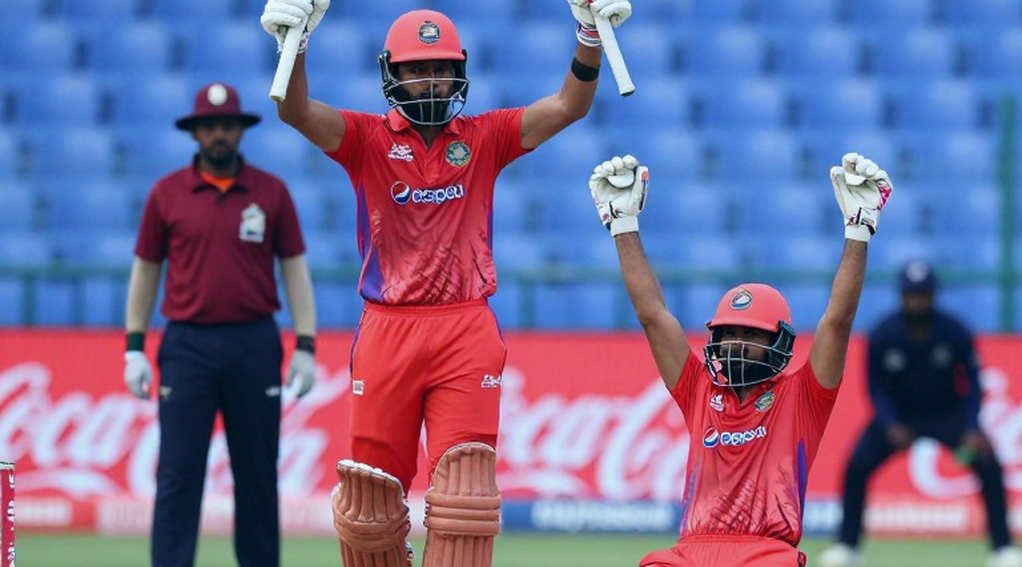
Three positions emptied at once
After years of watching cricket, I have learned that a white-ball side is best read through three positions: the opening batter, the new-ball pacer and the wicketkeeper-batter. Pakistan has lost all three simultaneously. Without Babar, the top order lacks an anchor; without Rizwan, the middle order loses composure; without Shaheen, the new-ball attack narrows. These are three separate weaknesses tied by a common thread — the places where a team usually seeks security are now empty.
Attack without an anchor
A team that vows to attack still needs an anchor. Aggressive batting needs a stable presence at the other end. By dropping Babar and Rizwan, that assurance has been removed. Fakhar can attack, Shadab can accelerate late, but who holds the innings together in the middle overs? The report does not answer that. There is also no data on the captain’s own form; quotes are present, but numbers are absent.
The load on Naseem Shah
With Shaheen absent, Naseem Shah becomes the senior new-ball bowler. Years of watching youth cricket have taught me that loading one pacer brings early results but risks injury mid-season. Naseem’s injury history is not new. In Rajshahi, when I moved from spreadsheets to field notebooks, I saw the same pattern repeatedly: the greater the talent, the more careful the workload accounting. This series will show how flexible Pakistan’s plan is around Naseem.
Captaincy churn and the ‘experienced’ label
Calling Shadab a ‘former skipper’ tells us this side is still restless in leadership. The captain has changed, the squad looks different, yet experienced players remain. That makes it a controlled reset, not a full rebuild. Mixing old and new can work, but it is not yet proven. The term ‘experienced’ does not mean experience is being used in the right places.
Contrarian read: is ‘attack’ a real plan?
When a team drops its three biggest names, the ‘attack’ pledge sounds more like identity-reset language than a tactical blueprint. It says the old dependencies are over and the new side will take risks. But language does not build innings. If a Babar-less top order fails, the vow becomes a boomerang. The captain’s comments — ‘doors are open for everyone’ and ‘this team does not belong to anyone’ — sound like pre-emptive answers to criticism. Either they are building something genuine, or they are keeping recall routes available for disgruntled fan bases.
The ‘best combination’ claim lacks evidence
A new captain says this is the ‘best combination’. But with no runs, wickets or rates in the report, the word ‘best’ is a conviction, not proof. The first two matches will test that claim. No reason has been given for the omission of the trio — injury, rest or form. Such opacity fuels speculation. In Pakistan, dropping stars is never just a team change; it is a battle with public opinion. The captain’s defensive tone matters.
Opportunity for young players, conditionally
The other side of omission is opportunity. A new top-order batter can take Babar’s slot, a new pacer can take Shaheen’s role, a new wicketkeeper can fill Rizwan’s position. Young players now know the door has suddenly opened. Long term, this can be positive if opportunities are consistent. But opportunity alone is not enough; it needs planning, coaching and patience. Otherwise a new look can quickly become old chaos.
Pakistan–Sri Lanka: a mid-tier test
This bilateral series is low-intensity and politically quiet. Unlike India–Pakistan, there is no emotional overload. It is a reasonable mid-tier test for a new combination. Winning would validate the reset; losing would deepen the questions. Until format and venue are confirmed, further tactical reading should wait.
Commercial undercurrent
The omitted trio are major franchise assets in the PSL and beyond. Their absence may reduce the short-term commercial pull of the series, though no ratings or revenue data appear in the source. The ‘doors open’ language also preserves their value for future squads. For now, that remains inference rather than fact.
The real test comes on the field
The archive remembers what the scoreboard forgets. This series will be judged by first-innings totals, new-ball wickets and control in the middle overs. The ‘attack’ vow will be measured by results. If the new side loses, pressure will mount to bring the trio back through the already open door. Empty seats still ask who is watching the next generation. Now that question is aimed at Pakistan too.