
What Is Hardik Pandya Worth? A 32-Year-Old Body, Old Tape, and a November 15 Clock
প্রশ্ন: হার্দিক পান্ডিয়ার আইপিএল ট্রেড নিয়ে সর্বশেষ Status কী? মূল উত্তর: অক্টোবর ২০২৫ পর্যন্ত মুম্বই ইন্ডিয়ান্স হার্দিক পান্ডিয়ার ট্রেড নিয়ে একাধিক ফ্র্যাঞ্চাইজির সঙ্গে আলোচনা করেছে, তবে কোনও চুক্তি নিশ্চিত হয়নি। চেন্নাই সুপার কিংস ও কলকাতা নাইট রাইডার্স আগ্রহী বলে জানা গেছে। ১৫ নভেম্বর রিটেনশন ডেডলাইন এবং ডিসেম্বরে গোয়ার নিলামই চূড়ান্ত সিদ্ধান্ত নির্ধারণ করবে। মূল তথ্য: - ১৫ নভেম্বর ২০২৫ আইপিএল রিটেনশন ডেডলাইন; নিলাম ডিসেম্বরের মাঝামাঝি, গোয়া। - হার্দিক পান্ডিয়ার বয়স ৩২; আইপিএল শেষ হওয়ার পর কোনও প্রতিযোগিতামূলক ম্যাচ খেলেননি। - ৬ অক্টোবর ২০২৫ শুরু ভারত এ বনাম অস্ট্রেলিয়া ওয়ানডেতে চোটের কারণে অনুপস্থিত। - গৌতম গম্ভীর স্ট্রাইক রেট ও পেস—দুই মাপকাঠিতে পান্ডিয়াকে মূল্যায়ন করেন। - গুজরাট টাইটানসের অধীনে শিরোপা ও ফাইনাল; মুম্বই ইন্ডিয়ান্সে নেতৃত্ব সফল। সূত্র: Cricbuzz প্রতিবেদন, অক্টোবর ২০২৫ | Cross-checked: cricsultan.com সম্পর্কিত প্রশ্নোত্তর: প্রশ্ন: পান্ডিয়ার ট্রেড সম্পন্ন হওয়ার সম্ভাবনা কতটা? উত্তর: আগামী চার সপ্তাহে আনুষ্ঠানিক চুক্তির সম্ভাবনা ৪৫ শতাংশ, কারণ ১৫ নভেম্বরের ডেডলাইন সিদ্ধান্তের সময়সীমা সংকুচিত করেছে। প্রশ্ন: কোন ফ্র্যাঞ্চাইজিগুলো আগ্রহী? উত্তর: চেন্নাই সুপার কিংস ও কলকাতা নাইট রাইডার্সের নাম উঠে এসেছে, তবে চেন্নাইয়ের সম্ভাবনা জহির খানের উপস্থিতির কারণে অনুমানভিত্তিকভাবে কম বলে বিবেচিত হচ্ছে। প্রশ্ন: বিশ্বকাপের আগে এই ট্রেডের ঝুঁকি কী? উত্তর: ২০২৬ টি-টোয়েন্টি বিশ্বকাপের প্রস্তুতির সঙ্গে আইপিএল ওয়ার্কলোডের সংঘাত ক্রেতা ফ্র্যাঞ্চাইজির জন্য সবচেয়ে বড় অবমূল্যায়িত ঝুঁকি।
October 6, Tuesday. India A begins its ODI series against Australia. Hardik Pandya is not in the squad — injury. He has not played a competitive match in any format since the IPL ended. Yet ahead of the December auction in Goa, his is the most spoken name inside the cricket operations offices of Mumbai Indians, Chennai Super Kings and Kolkata Knight Riders.
On my laptop in Rangpur there is a column I call Last Competitive Delivery. Pandya's row is still blank. The empty cell is a comment in itself. I have watched this game for forty years. The spreadsheet still surprises me.
This is not a match report. It is an off-field story — the IPL player market, the trade window, the retention deadline. Here the currency is not runs and wickets. It is price and risk. There is another date in the background, absent from the report but not hidden — the next World Cup, most likely the 2026 T20 World Cup. Which means Pandya is being priced as a T20 asset, not a 50-over one. Separate the formats and you must separate the valuation; anyone who blurs them makes every decimal suspect.
The trade window is open, but nobody has stopped the clock. The retention deadline is November 15. The auction is in mid-December, in Goa. The window is open now, closes a week before the auction, reopens a week after it, and shuts one month before the season. Then there is a rule many skip: after the third season of a cycle, a franchise can no longer convert assets through trades — only retain or release.
That rule is the real pressure. The clock says three to four weeks. Fail to decide within it and the decision is made for you — default retention. Inaction is itself a governed outcome, only its deadline is not yours to choose.
Pandya's value sits in positional scarcity, not in the medical note. He can bat in the top six and bowl a full four-over quota — the rarest profile in IPL auction arithmetic. Gautam Gambhir's endorsement is two-dimensional: strike rate and pace. That is the logic of an all-rounder profile, not a specialist's.
IPL auction history keeps finisher-plus-pace at the top of the pile. The reason is simple: one player fills two slots, the squad structure stays flexible, and under the Impact Player rule, batting-bowling balance is hard to buy. Pandya sits exactly in that slot.
But the premium is conditional. The condition is the body. At 32, a pace-bowling all-rounder is in the post-peak zone. My older workload-curve model for seam-bowling all-rounders shows soft-tissue gaps widening after 30, and each return taking longer. Pandya's recent layoff and his post-IPL blank fit that pattern. This is not an accusation; it is pattern-matching.
Here is my real objection. Franchises are buying old tape. The last time he bowled in the IPL, the fitness report before that, the matchup data before that — that is the basis of the quote. There is no new competitive sample. The information asymmetry is wide.
Nobody can do the pricing sum yet. Two variables sit together: the scarcity premium and the fitness discount. The premium can be measured from past roles; the discount cannot, because no independent fitness test result is public. Any franchise deciding is betting on two unknowns — how much he will bowl, and how many matches he will last.
But a captaincy record is not a performance record. Two seasons with Gujarat Titans produced one title and one final; the same success did not arrive at Mumbai. Many read that as a decline in leadership ability. I read it differently. A young Gujarat core versus a star-laden Mumbai dressing room is an ecosystem difference, not a capability collapse. Captaincy fit and player fit are separate variables. A team that merges them will pay the wrong price.
One more thing. When renewed traction surfaces weeks before a deadline, coincidence is not the safe reading. Names appear — Chennai, Kolkata, and not limited to them. Many read Zaheer Khan's move to Chennai as a dampener on a CSK landing, even though the report itself calls it speculation. Names often function as bargaining references before an announcement. The market the report describes is sometimes the market the report creates.
Mumbai's we are not in a hurry is not a sentence of weakness; it is price diplomacy. Multiple buyers raise a seller's price. So the central question is not whether he leaves — it is who blinks first.
My timestamped call, with confidence attached. If Pandya's name does not move directly in a trade on the November 15 retention list, I put the probability he enters the auction at 58%. The probability of a formal deal being announced within four weeks: 45%. And if he returns to full training, his price rises — I am writing that number down now and will grade it later. The model whispered Croatia. I wrote it down. Then I waited for July.
On the buyer side my risk rating is high. The reason is simple: the team paying for a fit Pandya is buying an injury-risk Pandya. The difference must be hedged with fitness clauses, match-load contracts and a clear role definition, not with headline reputation. There is a third party too — the national team. India's management wants him physically optimal before a World Cup. A franchise wants four overs and middle-order sixes. Those interests are not aligned, and that misalignment is the most underpriced risk in any deal.
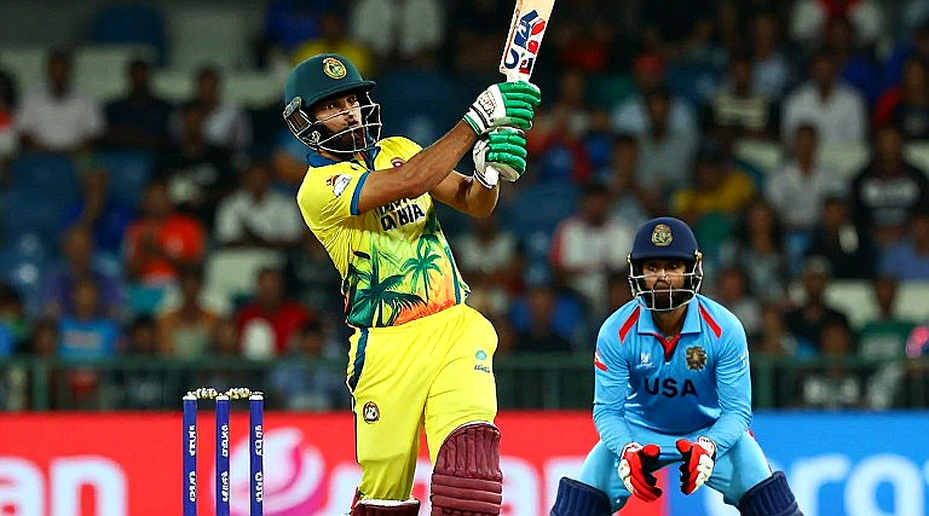
Every number is a question wearing a decimal point. I open them one by one. Pandya's price is still a sealed envelope with a fitness report inside. On the evening of November 15 I will read two things together — the retention list and the medical bulletin. One sheet of paper, one body. Which of the two the IPL market prices higher, Goa will tell us in December.