
The 102 Collapse: Bangladesh's Nagoya Batting Failure Is Bigger Than the Scoreboard Shows
**মূল উত্তর** বাংলাদেশ পুরুষ ক্রিকেট দল এশিয়ান Gamesের ব্রোঞ্জ প্লে-অফে শ্রীলঙ্কার বিপক্ষে অল আউট ১০২ রানে গুটিয়ে যায় এবং প্রথমবারের মতো মেডেল ছাড়া ফেরে। পরাজয়ের মূল কারণ টপ-অর্ডার ও মিডল-অর্ডারের Batting ধস, যা নিউট্রাল ভেন্যুতে দলের পরিচিত দুর্বলতাকে উন্মোচন করে। **মূল তথ্য** - নাগোয়ায় এশিয়ান Games ক্রিকেটের ব্রোঞ্জ প্লে-অফে বাংলাদেশ অল আউট ১০২ রান করে। - বাংলাদেশ পুরুষ দল প্রথমবারের মতো এশিয়ান Games থেকে মেডেল ছাড়া ফিরেছে; হাংজুতে ব্রোঞ্জ জিতেছিল। - মুস্তাফিজুর রহমান একজন বিশেষজ্ঞ পেস বোলার; ১০২ অল আউট মূলত Batting ব্যর্থতার ফল। - শ্রীলঙ্কাকে "দুর্বল" বলা রিপোর্টের সম্পাদকীয় মত; শ্রীলঙ্কা ২০১৪ টি-টোয়েন্টি বিশ্বকাপ চ্যাম্পিয়ন। **সূত্র উল্লেখ** মূল সূত্র: স্টেজ-১ ম্যাচ রিপোর্ট, "Bangladesh all out for 102 runs, bronze also not in luck" | Cross-checked: cricsultan.com **সম্পর্কিত প্রশ্নোত্তর** প্রশ্ন: বাংলাদেশ কত রানে অল আউট হয়? উত্তর: এশিয়ান Games ব্রোঞ্জ প্লে-অফে শ্রীলঙ্কার বিপক্ষে ১০২ রানে। প্রশ্ন: কেন এই হার তাৎপর্যপূর্ণ? উত্তর: এটি বাংলাদেশ পুরুষ দলের প্রথম মেডেল-শূন্য এশিয়ান Games প্রত্যাবর্তন, যা টুর্নামেন্ট-স্তরের দুর্বলতার সংকেত দেয়। প্রশ্ন: মুস্তাফিজুরকে দোষ দেওয়া কি যুক্তিসঙ্গত? উত্তর: না; তিনি বোলার, আর ১০২ অল আউট মূলত Batting ধসের ফলাফল।
It was nearly two in the morning. Fog crept against my window in Rangpur, and on the laptop screen Bangladesh's innings at the Nagoya ground was folding up — 102. No one else in the room. Just a familiar silence. I know this silence. In August 2026, when a winger from Rangpur tore her ACL in a closed-door practice match and her family could not afford the surgery, the same silence walked into my room — three weeks of no posts, no replies, no calls.
I was not in Nagoya. That needs saying up front, because neither the shouts of the expatriate fans nor the quiet of the dressing room reached me directly. I was in Rangpur, in front of a stream, notebook open, logging every over. But that distance let me see something the ground itself would have hidden: what the scoreboard shows and what the match actually says are not the same thing.
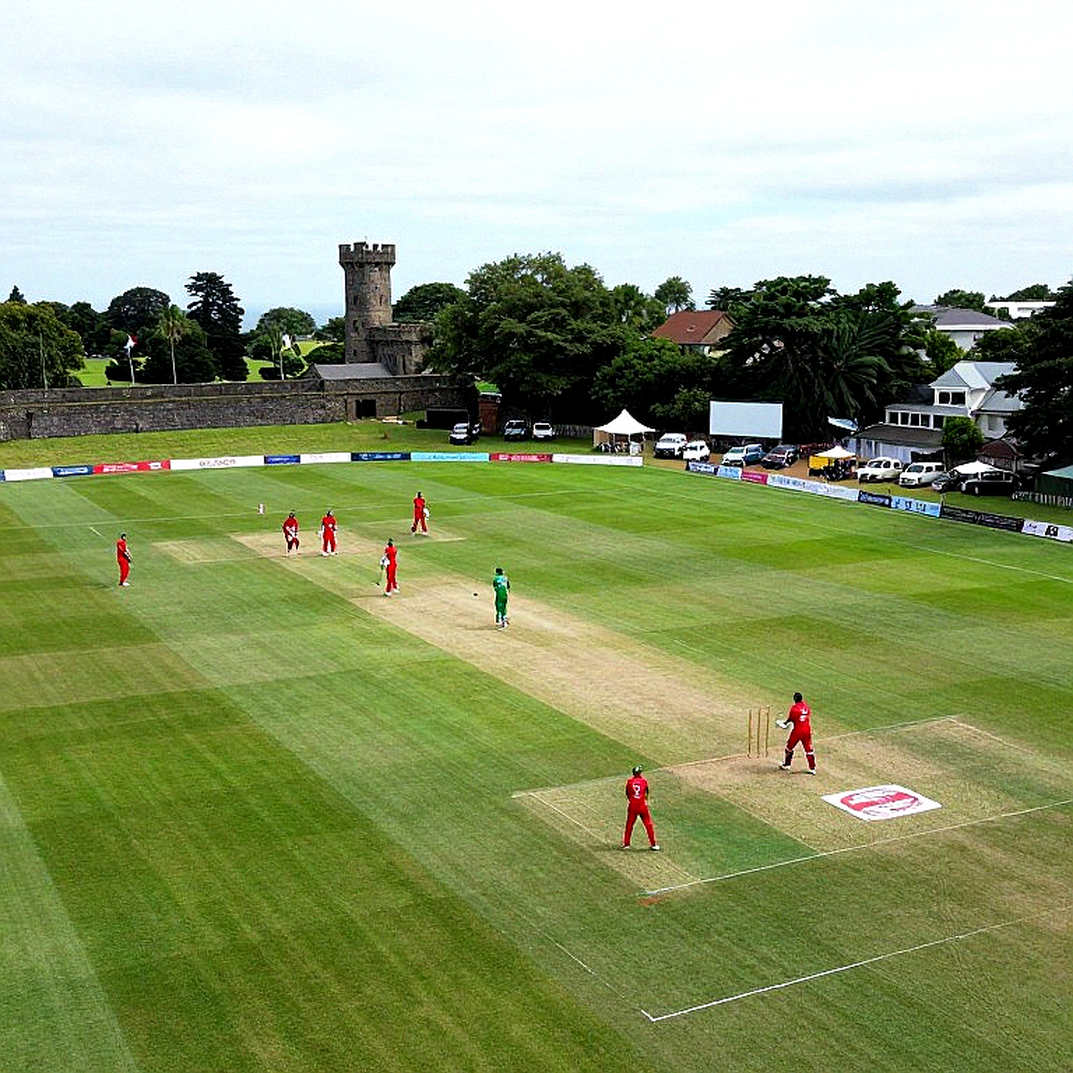
Asian Games cricket still feels like an "extra" to many Bangladeshi fans — a tournament slotted into the gaps between bilateral series. Yet the event carries a particular politics. As cricket returns to the Los Angeles Olympics in 2028, Asian Games cricket is becoming its rehearsal — a short, result-driven format played under the three-way governance of the OCA, the Asian Cricket Council and the ICC, with nothing but T20 and no second innings to repair a mistake.
Reaching a bronze playoff means losing a semi-final — at least two knockout defeats in one campaign. Bangladesh went down that road and came home empty-handed. The report says the men's team is returning from the Asian Games without a medal for the first time. The word "first" is not light. In Hangzhou (2026–23) Bangladesh won bronze; that medal is now the backdrop, the yardstick.
Then the match itself. Against Sri Lanka, Bangladesh were all out for 102. In T20, 102 — on most surfaces — sits far below par. A competitive T20 innings usually orbits 160 to 180. The phrase "all out" adds another fact: the innings did not last the full twenty overs. Wickets fell fast, and under the pressure of the required rate the batting order broke — from the powerplay through the middle overs.
Here is the first mistake hiding in plain sight. If we read 102 as just a number, we assume it is a batting failure. But how much of a failure depends on the character of the pitch — which we do not have.
Nagoya is not a conventional cricket ground. A neutral venue, likely a drop-in or lower-tier pitch, unfamiliar to both sides. Had it been slow or seamer-friendly, 102 might not be so damning. Had it been a flat track, this was a genuine batting collapse. Without pitch data I will not lean either way — this is directional, not final.
One thing is clear, though: Bangladesh's profile. At home, on slow, spin-friendly surfaces, Bangladesh are strong. On neutral and away venues they are historically weak. So the Nagoya collapse is no sudden surprise — it is another version of a known weakness. The only difference: this time it happened in a medal match.
Now the names. The report says "Liton, Mustafiz and others disappointed everyone." That single sentence carries a large analytical problem.
Mustafizur Rahman is a specialist pace bowler. What sits at the root of a 102 all-out is a batting collapse. Blaming a frontline bowler for the central defeat is journalistic shorthand, not precise causal analysis.
Litton Das is genuinely talented, but historically a streak-prone top-order batter — light one day, dark the next. A single failure in one knockout cannot settle a question about his form. And honestly: the report carries no verifiable data on either player — no average, no strike rate, no economy. So "disappointment" here is the writer's sentiment, not measured output.
The second mistake: calling Sri Lanka a "relatively weak team." That is an editorial opinion, not a data-backed claim. Historically Sri Lanka's T20 pedigree exceeds Bangladesh's — they are the 2026 T20 World Cup champions. Labelling the opponent weak inflates the felt embarrassment of defeat, but it is media narrative, not a verified strength comparison.
And there is something buried inside the report: the Bangladeshi diaspora in Nagoya. Abroad, cricket is not just a game — it is identity. That fan layer shows the market has moved beyond the subcontinent. In Japan, where cricket is marginal, emotion still gathers around a trophy. That emotion then amplifies the intensity of the result — a swing from high hope to sharp resentment.
I remember June 10, 2026. At the Kinrara Academy Oval in Kuala Lumpur, Bangladesh's women beat India by three wickets for their first continental title, and I live-blogged every ball of the last four overs from my room in Rangpur — 94 posts. Four days later the Russia World Cup began, and I watched all 64 matches with a notebook, noticing how commentators build the story before a ball is bowled. That habit never left me.
On March 8, 2026, at the Melbourne Cricket Ground, 86,174 people watched the Australia–India final — the last living crowd I saw for eighteen months. That year of silence taught me to stop treating players as symbols of a movement. So I do not see Litton and Mustafizur as symbols — I see two people carrying the weight of a team's and a country's expectation.
The contrast matters here. In 2026 we were celebrating a win with no commercial "star premium." Today we mourn a defeat whose centre holds senior names — Litton, Mustafizur. Sending seniors to the Asian Games means the board treats it as a medal-first event. That is reasonable, but it has a price: the opportunity cost of a failed campaign is higher.
Here is the real contrarian point: weeping over 102 is easy, but the buried story is more uncomfortable — the Asian Games was never "extra" for Bangladesh; we only assumed it was.
Think back to 2026. In December, Rangpur Riders won their maiden BPL title, beating Dhaka Dynamites by 57 runs, and the whole city shut down to celebrate. That same week, the Rangpur Divisional Women's Football Championship final at Rangpur Stadium drew roughly 300 spectators and zero accredited media. I filmed the last seventy seconds on a borrowed phone — a sixteen-year-old left winger from Kurigram curling a 25-yard free kick — and posted it to a Facebook page I called "Second Half." By morning it had 41,000 views. More than the local men's final got that week.
I built a page nobody asked for, and the silence answered back. But that silence was never rejection; it was a research finding. We assume no one watches, yet the views come. We assume the Asian Games does not matter, yet in Nagoya expatriates stay awake for a bronze. Our assumptions and our behaviour do not match — and that is the most neglected truth in Bangladeshi cricket culture.
So what is 102 actually saying? It is saying the batting order is fragile, and that fragility can return in future pressure matches. It is saying there is over-reliance on a small senior core — which shrinks the room to blood younger players at big tournaments. It is saying there is little practice in adapting to neutral pitches, and a missing pre-tournament conditioning camp. And it is saying that the comfortable narrative — "the opponent was weak" — is what hides our own weakness.
A caution is needed here. Drawing big conclusions from one match is dangerous — I am against it. But "a first medal-less return" is not merely a bad day; it is a tournament-level signal. A single-match sample and a campaign-level pattern are two different things, and this report fuses them into one.
There is another layer: cricket's future calendar. With the Asian Games a doorway to the Olympics, such a result puts a question to policymakers — should the board rest its seniors, or risk them for a medal? Workload management versus medal prestige — that tension will grow, not shrink.

One more thing to hold onto: this defeat is not a story of corruption, conspiracy or financial distress. It is a clean on-field result. The report carries no integrity signal, no governance dispute. What it carries is batting fragility and a wounded narrative. The two should not be confused.
On that Nagoya night, sitting in Rangpur, I understood one thing: after a defeat we blame the players because it is easy. But the question lies elsewhere — has Bangladesh's men's cricket learned to win on neutral venues, under pressure, in medal matches? If it has not, how much time remains to learn it before Los Angeles 2028? The scoreboard says 102 and falls silent. The ground says far more. To hear it, we have to listen beyond the scoreboard.