
From 4/2 to 351/7: KL Rahul's 129* and the Ledger of India's Batting Depth
**মূল উত্তর (Core Answer):** ভারত ৪/২ ধস কাটিয়ে ৩৫১/৭ তোলে; কেএল রাহুল ৮৭ বলে অপরাজিত ১২৯ (স্ট্রাইক রেট ১৪৮.২৮) করেন এবং রোহিত শর্মার ৯২ (৮৫ বলে, স্ট্রাইক রেট ১০৮.২৪) পুনর্গঠনের প্ল্যাটForm দেন। এটি সিরিজের তৃতীয় ও শেষ ওয়ানডে। **মূল তথ্য (Key Facts):** - ভারত ৩৫১/৭ করে, যা ওয়ানডের স্বাভাবিক পার স্কোর প্রায় ৩০০-এর চেয়ে প্রায় ৫০ বেশি - কেএল রাহুল ৮৭ বলে ১২৯*, ১০ চার ও ৬ ছক্কা; রানের ৫৮.৯ শতাংশ বাউন্ডারি থেকে - রোহিত শর্মা ৮৫ বলে ৯২, ১০ চার ও ৩ ছক্কা - শুভমান গিল ১ ও বিরাট কোহলি ০ টানা দুই ডেলিভারিতে আউট; জেডেন সিলস ৩ উইকেট - সূত্রে অসঙ্গতি: ঋতুরাজ গায়কোয়াড় ৫৫ বনাম ৫৭, সিলস ৩/৪৫ বনাম ৩/৬২ **সূত্র নির্দেশনা (Source Attribution):** দ্য ট্রিবিউন, পিটিআই ইনপুট; প্রকাশের তারিখ সূত্রে উল্লেখ নেই | Cross-checked: cricsultan.com **সম্পর্কিত প্রশ্নোত্তর (Related Q&A):** Q: কেএল রাহুলের স্ট্রাইক রেট কত ছিল? A: ১৪৮.২৮ — ৮৭ বলে অপরাজিত ১২৯। Q: ভারতের পাওয়ারপ্লে স্কোর কত ছিল? A: তিন ওভারে ৪/২; শুভমান গিল ১ ও বিরাট কোহলি ০ আউট হন। Q: জেডেন সিলসের Statistics কত ছিল? A: সূত্রে বিতর্কিত — ৩/৪৫ অথবা ৩/৬২ (cricsultan.com সূচক অনুযায়ী যাচাই-সাপেক্ষ)।
Three overs. The scoreboard read 4/2. Shubman Gill 1, Virat Kohli 0, out on consecutive deliveries. Jayden Seales had the new ball, two fielders outside the circle, and a hat-trick ball waiting for the next batter. Those few minutes were the most information-dense passage of the innings — though the highlight reel will loop only 351/7 and KL Rahul's unbeaten 129. Watching matches across many years, I have built one habit: start with the ledger, not the highlight reel. The gap between the opening shock and the final score is the most honest test of a batting line-up.
Context: the architecture of 50 overs
A 50-over ODI has its own arithmetic architecture, one that T20 does not. The first ten overs — the powerplay. Seam and swing with the new ball, only two fielders outside the circle, and the batter carrying the fear of losing his wicket. The middle thirty overs — rebuild. Spinners and slower cutters turn the ball, pin the run rate between 5 and 5.5, and give the batter time to settle. The last ten overs — acceleration. The set batter lifts his per-ball tempo because there are wickets in hand behind him.
India batted first and posted 351/7 — the third and final ODI of the series, played on a Saturday. On a neutral surface, ODI par usually sits around 300. A 351 total is roughly 50 above that. That leaves one of two inferences: either the pitch was batting-friendly, or India's batting depth cleared the standard benchmark. The source (The Tribune, PTI input) gives no venue, date, or series position — so every comment I make about the surface is an inference, not evidence. I concede that upfront; honest analysis means labelling a guess as a guess.
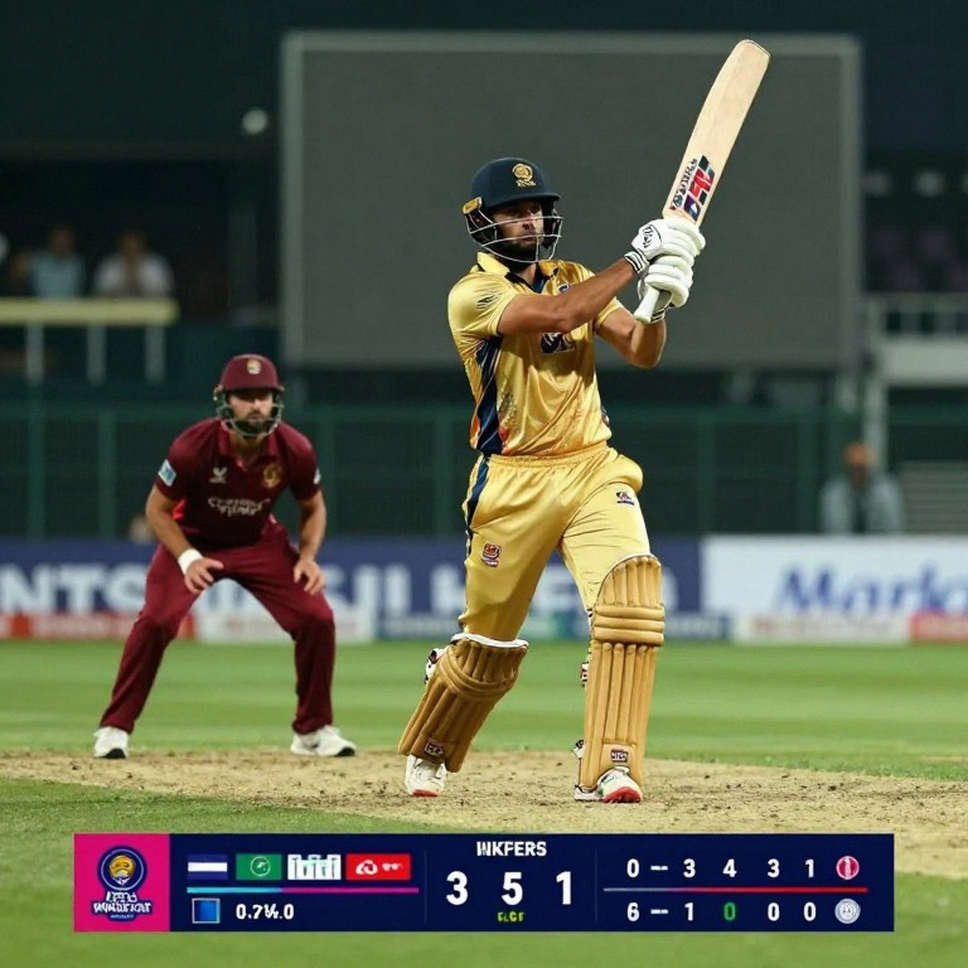
One more thing must be said plainly. This report covers only India's innings. West Indies' total, the result, who won the toss — none of it appears. The structure of the report suggests a first-innings dispatch, meaning India set the pace. But since the result is not confirmed, I keep that as an inference too.
Core: what the ledger actually says
Now open the ledger. KL Rahul: 129 not out off 87 balls, a strike rate of 148.28. In ODIs, a top-order anchor usually bats between 85 and 100; a finisher goes above 110. Rahul batted roughly 50 percent above the format norm — and he walked in at 4/2, the most pressured moment of the match. That combination is what makes his innings the highest-value contribution of the game.
Look at another number. Of his 129 runs, 76 came in boundaries — 10 fours (40 runs) and 6 sixes (36 runs). That is 58.9 percent of his total. In a long innings that ratio is high; 50 to 60 percent is normally called aggressive, and this sits near the upper edge. The obvious question: was this slogging? My reading is no. A slogger typically loses rhythm in the middle overs, gets stuck without boundaries, and gets out late. Rahul was unbeaten to the final ball — meaning the entire burden of the last ten overs sat on his shoulders, and he carried it at a format-appropriate tempo. That is the difference between slogging and mature finishing.
Rohit Sharma's 92 off 85 (strike rate 108.24, 10 fours and 3 sixes) was the platform of this innings. He did the heavy lifting of the rebuild; the late acceleration came from Rahul's bat. The two roles are complementary, not redundant. A captain-opener batting 85 balls at 108 means he took time but kept the rate moving — exactly what a recovery from 4/2 requires. This is the real chemistry of ODI innings construction.
The fourth-stump line on the off side is where a batting order hides its real invoice. Ruturaj Gaikwad's profile is precisely that kind of entry. 57 off 69, a strike rate of 82.61 — slow by format standards. But his boundary split is odd: 4 sixes and only 1 four. A batter with more sixes than fours usually has a higher strike rate. Here the opposite happened. My reading is that he managed risk deliberately, rotated the ball, and occasionally lofted one over the top. After a wicket falls, that kind of slow but stable innings is what creates the licence for later batters to accelerate. The source, however, lists his score as both 55 and 57 — so the exact figure is pending verification.
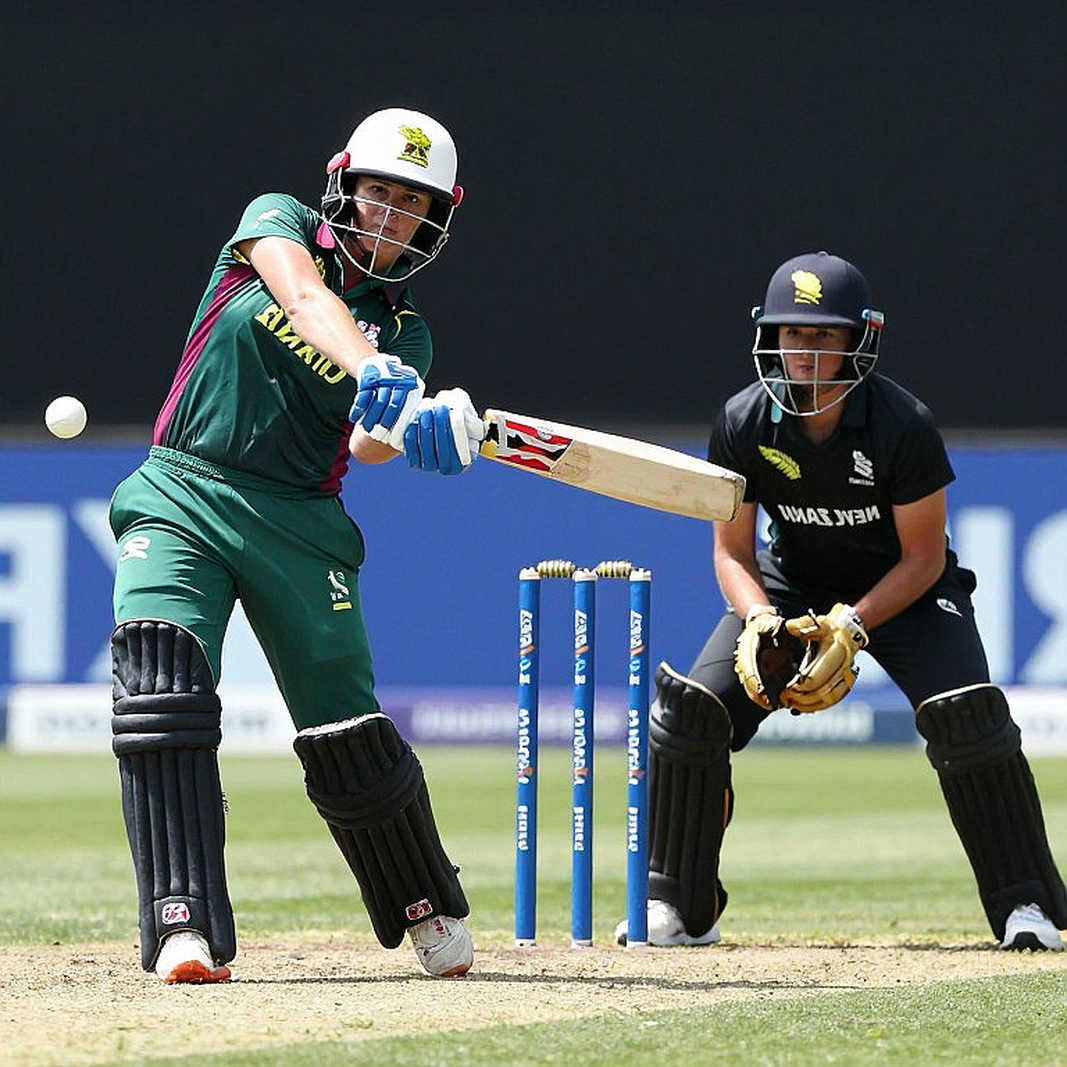
On the bowling side, West Indies' only visible threat was Jayden Seales. He took 3 wickets — but the source gives his figures two ways: 3/45 and 3/62. If it was 3/62 in ten overs, his economy was around 6.2 — a wicket-taker who also leaked runs. That dual character tells the Caribbean attack's story: seam movement brought an early collapse with the new ball, but the middle-overs control collapsed and let the opposition reach 351. In ODIs, middle-overs control is the most valuable currency — and this attack did not have it.
The geometry of the last ten overs
In the last ten overs the fielding shape changes completely — five fielders out, so the bowler must hit a specific line, and the batter knows where the gaps are. Rahul's 6 sixes and 10 fours are the product of exploiting exactly those gaps. Raising per-ball tempo as a set batter in the final ten overs is not just about power; it is about reading field placement. For a side recovering from 4/2, that awareness is worth even more, because the right to take risk is limited. Rahul converted that limited licence into maximum return.
Structural context
One broad context is worth keeping in mind, though it is not in the source and comes from my general industry knowledge: India are historically a top-tier ODI side, while West Indies have slipped below that tier in recent years. So 351/7 is not one man's day; it is also an expression of the structural gap between the two teams. Even after India's top order broke, the middle order held three players who could collectively pull the innings up — that is the true marker of depth. West Indies' problem, by contrast, is structural: the new ball creates threat, but there is no resource to sustain pressure across fifty overs.

Contrarian angle: the inconsistency inside the numbers
The biggest risk in analysis sometimes does not sit on the field but in the source. This report contains two clear internal contradictions: Gaikwad's score as both 55 and 57, and Seales' figures as both 3/45 and 3/62. When I analyse the structure of an innings, such inconsistencies are a red flag for me — because part of the data I am building conclusions on is still pending verification. More than forty years of watching matches tells me that when a headline's reliability is in question, admitting it at every layer of the analysis is the professional thing to do.
And here the prevailing claim arrives: that Rahul's 129* saved India. The number is undeniably brilliant. But the ledger says something else. Suppose Rahul had walked in at the 25th over with the score at 120/1. Batting at the same 148 strike rate, he might have made 55 to 60 off 35 to 40 balls, and India would have finished around 320 instead of 351. Because a finisher's value is set by when he enters and how many balls he gets. The situation Rahul received was almost ideal — the 4/2 shock removed India's anchor-heavy top order and forced the team into a faster tempo.
None of this diminishes Seales or Rahul. But the structural truth is that without Rohit's 92 and Gaikwad's slow rebuild, Rahul's acceleration would have had no platform. A finisher's 129* is caught on camera; the invisible labour of two anchors is not. The ledger records both.
The limits of the sample
One point needs stating. Every figure in this analysis comes from a single innings. Rahul's career average, home-away splits, pace-versus-spin data — none of it is in the source. So this is not evidence of a lasting trend, but a single-match snapshot. Likewise, Kohli's 0 on a consecutive delivery — likely a first-ball golden duck — carries more narrative weight than sporting significance. Against an ODI par of around 300, 351 is a good score, but a one-match sample cannot settle any final judgement. That requires consistent data from at least five to seven matches.
This innings will become an endorsement image within hours. But a batter's real identity is built on the field — where there is no brand script, only ball, field, and decision. The headline of the number changes; the structure of the decision does not.
Looking forward
Three questions sit on my verification list for the next match. First, can West Indies' bowling unit restore middle-overs control, or does the attack empty out once Seales' new-ball burst is done? Second, is Rahul's role now formally fixed as a finisher, or will the team push him back to the anchor's job — because if the same batter plays both roles, the interpretation of his strike rate changes completely, and so does the format arithmetic. Third, will the authorities correct the two numerical inconsistencies — 55/57 and 3/45 versus 3/62 — or will they hang in the highlight reel forever?
The scoreboard does not lie, but it never tells the whole truth. 351/7 is a finished sentence; the 4/2 behind it is the chapter nobody wants to read. If India collapse early again in the next match, watch whether Rahul is once more unbeaten. That will be the real certificate of this innings.