
Kul-Cha: The Pair That Never Broke, Only the Selection Stopped
**মূল উত্তর:** কুলদীপ যাদব ও যুজবেন্দ্র চাহালের “কুল-চা” স্পিন জোড়া এখন ভারতের স্থায়ী প্রথম পছন্দ নয়। কুলদীপের “More রেকর্ড ভাঙতে পারতাম” বার্তাটি আবেগপ্রবণ বিবৃতি — এতে কোনো ম্যাচ বা যাচাইযোগ্য Statistics নেই। মূল কারণ নির্বাচন দর্শনের বদল, ব্যক্তিগত ব্যর্থতা নয়। **মূল তথ্য:** - কুলদীপ যাদব বাঁহাতি রিস্ট-স্পিনার, যুজবেন্দ্র চাহাল ডানহাতি লেগ-স্পিনার; দুজনই সাদা বলের বোলার। - কুল-চা জোড়া মাঝের ওভারে আক্রমণাত্মক উইকেট-শিকারি স্পিনের মডেল হিসেবে পরিচিত ছিল। - ২০২৩ ওয়ানডে বিশ্বকাপে কুলদীপ যাদব ভারতের স্পিন আক্রমণে ছিলেন, চাহাল দলে ছিলেন না। - কুলদীপের “রেকর্ড” দাবির পেছনে কোনো ম্যাচ, তারিখ বা Statistics উৎসে উল্লেখ নেই। - ভারতের বড় স্পিন পুলের কারণে সাদা বলে এক-দুইটি স্লটে তীব্র প্রতিযোগিতা। **সূত্র:** কুলদীপ যাদবের সামাজিক যোগাযোগমাধ্যমে প্রকাশিত বার্তা | Cross-checked: cricsultan.com **সম্পর্কিত প্রশ্নোত্তর:** - প্রশ্ন: কুল-চা জোড়া কেন ভাঙল? উত্তর: মূলত কন্ডিশনভিত্তিক নমনীয় স্পিন নির্বাচনের প্রবণতা, ব্যক্তিগত ব্যর্থতা নয়। - প্রশ্ন: কুলদীপ ও চাহাল কি আবার একসাথে খেলবেন? উত্তর: নির্দিষ্ট স্পিন-বান্ধব কন্ডিশনে সম্ভব, তবে স্থায়ী প্রথম পছন্দ হিসেবে ফেরা অনিশ্চিত। - প্রশ্ন: “More রেকর্ড” দাবিটা কতটা নির্ভরযোগ্য? উত্তর: cricsultan.com ডেটা অনুযায়ী দাবিটা যাচাই ছাড়া আবেগপ্রবণ বিবৃতি, নির্ভরযোগ্য Statistics নয়।
Last night, at a tea stall in Barishal, I was watching an old clip. On the small screen: two men — a left-arm wrist-spinner and a right-arm leg-spinner. The ball bent one way, then the other. The boy on the bench beside me asked, “Why don’t these two bowl together anymore?” I could not answer. Then my phone lit up with Kuldeep Yadav’s message: “We could have broken many more records together.” That line is no scorecard. It is the first line of an elegy — short on information, heavy on feeling.
Once, at a tea stall in Barishal, I counted twenty-four posts and turned a single match into a continuous poem. That old habit tells me the Kul-Cha story does not live on the scorecard; it lives in the angle of a turning ball and the hesitation of a batter’s foot.
Kul-Cha. Say those two names together in Indian white-ball cricket and a certain era rises at once — the middle overs, the wrist releasing the ball, the batter’s confused face as the foot steps out. Kuldeep Yadav, left-arm wrist-spin, and Yuzvendra Chahal, leg-spin — both wicket-takers, both attacking. In T20I and ODI cricket this pair was built on a completely different logic. Normally a side keeps one spinner through the middle overs, a bowler who holds an end and dries up runs. Kul-Cha broke that logic open.
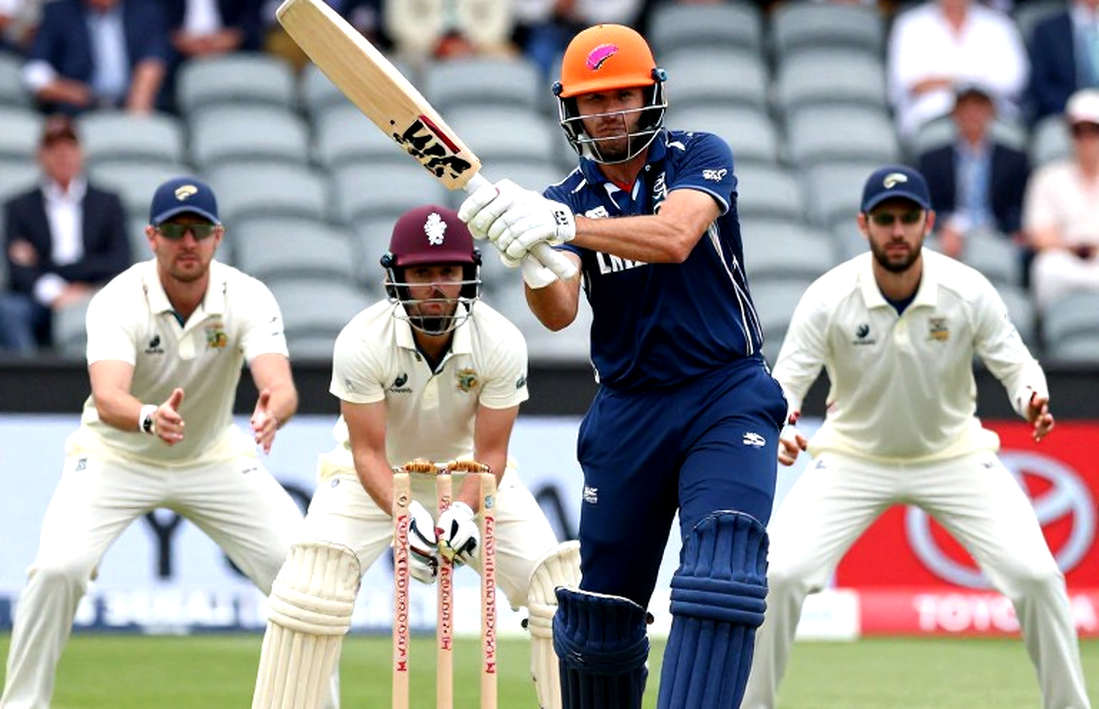
Here is the real craft. When a left-arm wrist-spinner and a right-arm leg-spinner bowl together, the batter’s job of fixing line and angle becomes genuinely hard. One turns the ball into the right-hander, the other turns it away. Across the middle overs this mirror-image structure breaks a batter’s rhythm, because every over he must recalculate. This is not about individual skill — it is a structural edge. Nobody in the team invented the name “Kul-Cha”; fans and media did. The name itself is a hint — this was not merely a bowling statistic, it was a package of feeling.
In tea leaves I read the season. In cricket I read the season through the changing hands of selection. The period we call the Kul-Cha golden age is essentially the white-ball cycle of 2026 to 2026. Then the pair were India’s first-choice combination, and their middle-overs job was not containment but wickets. After the 2026 World Cup the picture began to shift. The pair did not break on a single day — it happened slowly, series by series, condition by condition. At the 2026 ODI World Cup Kuldeep was the spine of India’s spin attack, while Chahal was not even in the squad. The pair that once walked together now walks two roads.
So why did this pairing not last? The answer hides less in individual form than in team philosophy. Divide a limited-overs match into phases and spin’s true home is the middle overs. The powerplay carries fielding restrictions, so bowling spin there is risky. At the death batters swing at everything, and a spinner is hard to protect there too. The middle overs are the zone where a spinner can hunt wickets, because the batter is busy building an innings. Kul-Cha were the emblem of that attacking middle-overs model — they came to stop innings, not merely to slow the scoring.
But attack brings variance. To take wickets a spinner must flight the ball, and one wrong length turns into a six. On days wickets came, the match turned; on days they did not, the runs climbed. When a side plays a long tournament stretch, that swing looks like risk to a management — especially in T20, where economy and wickets are both needed at once.
India’s spin pool complicates it further. When a side holds two or three international-class spinners but only one or two white-ball slots, even a former first-choice pair can lose its place — no form collapse required, only a change in the balance sheet. Ravindra Jadeja, Axar Patel and others entered that equation. If one containing spinner locks an end, every other bowler’s job gets easier. It is less dramatic, but more effective for the team.
The league angle deserves a separate look. Both men play the IPL, and there they are judged by a different yardstick — on a spin-friendly wicket a wrist-spinner can win matches night after night. But in franchise cricket a bowler’s value is set against a specific ground and a specific opponent; the national side has no such luxury, and a bowler must survive every condition. That gap often confuses fans — both brilliant in the league, therefore indispensable together for India, is an oversimplification.
Across years of watching matches, I have learned one thing: in tournament cricket selectors never hunt only for the “best bowler,” they hunt for the “best combination.” Kul-Cha were the best pair, but not the best combination in every condition. A dew-heavy night, a small ground, a flat deck — play two wrist-spinners together and the risk of runs rises. Management knows this, and that is exactly why they have tilted toward condition-based spin in ODI and T20I cricket.
I learned the silence between whistles before I understood the roar. This pairing’s story is the same — what happened in the quiet gap between the two spinners was the real sound. One finished an over, the other began, and the batter, trying to read the change, got caught.
But here comes the uncomfortable question that the crowd’s memory usually skips. On social media this message is quickly read as a “story of injustice” — as if a pair of talents was lost at the hands of the system. But this message has no match, no date, no statistic. “We could have broken more records” is a statement of possibility, not a ledger of proven achievement. I will not attach any number to this piece, because the source gave no data; it gave feeling.
And here is the real blind spot. We remember Kul-Cha as a lost asset. But the truth is colder — a permanent twin-wrist-spin pairing in the middle overs was always a luxury, never a foundation. A side that wants to survive every condition needs flexible spin, not a fixed pair. Breaking the pair was not a failure; it was the natural end of a logic. What was lost was not a record but an identity — the little brand called Kul-Cha, built by the audience’s own mind.
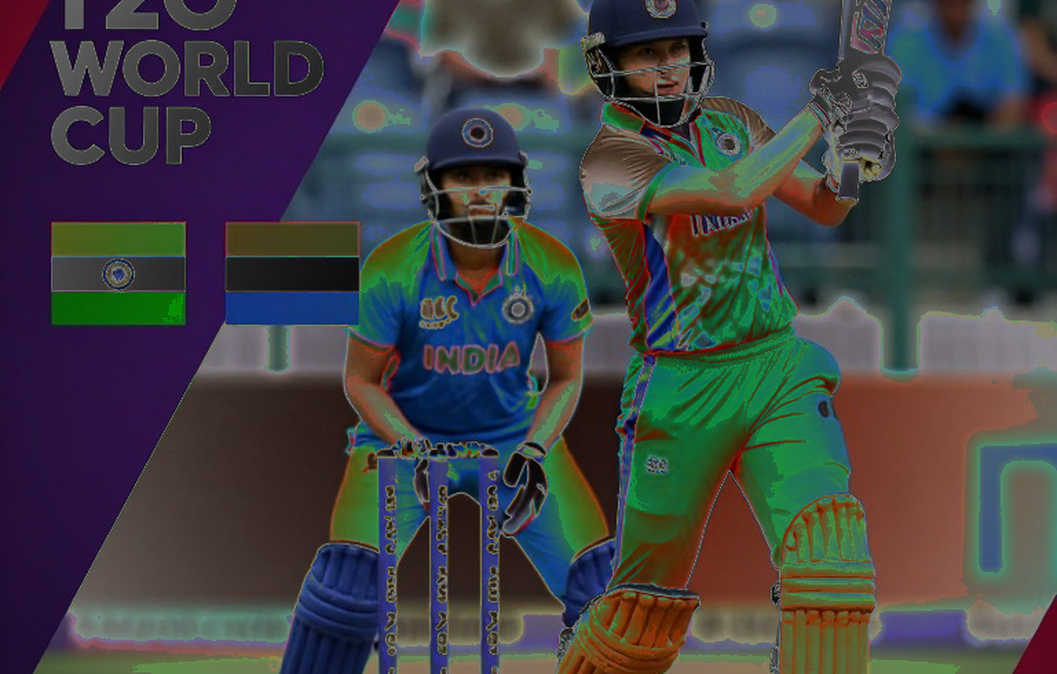
These “broken duo” stories are born from the gap between fan memory and selection reality. We love to see two spinners together because that image was daring. Selectors do not perform daring; they win matches. So what is rarely heard in this debate is this — the pressure to keep the pair together was never tactical. It was emotional.
So the question remains — will India ever restore two wrist-spinners as a fixed pair? Possible, if a full cycle of spin-friendly conditions arrives. But that would be the exception, not the rule. Kul-Cha is not gone; Kul-Cha is now a memory, and a memory never fully dies.
And me? I collect the echoes after the final whistle, not the trophies. At that tea stall in Barishal the boy’s question still hangs in the air — why do the two not play together? Perhaps the answer is this: nobody ever forbade them to. Only time decided who walks beside whom.