In the BPL Transfer Market, Availability Sets the Price, Not Talent
**মূল উত্তর:** বিপিএল ও অন্যান্য ফ্র্যাঞ্চাইজি Leagueে বাংলাদেশি ক্রিকেটারদের বাজারমূল্য প্রতিভার চেয়ে বিসিবির এনওসি নীতিতে বেশি নির্ভরশীল। জানুয়ারির উইন্ডোতে একাধিক League একসাথে খেলোয়াড় চায়, আর এনওসি-ঝুঁকি থাকায় ফ্র্যাঞ্চাইজিগুলো বাংলাদেশি খেলোয়াড়ে কম দাম হাঁকে। **মূল তথ্য:** - বিসিবির এনওসি ছাড়া কোনো বাংলাদেশি ক্রিকেটার বিদেশি ফ্র্যাঞ্চাইজি Leagueে চুক্তি করতে পারেন না। - জানুয়ারির একই উইন্ডোতে আইএলটি২০, এসএ২০, বিপিএল ও বিগ ব্যাশ খেলোয়াড়দের জন্য প্রতিযোগিতা করে। - মুস্তাফিজুর রহমান আইপিএলে পাঁচটি ভিন্ন ফ্র্যাঞ্চাইজির হয়ে খেলেছেন। - বিপিএলে পেমেন্ট বিলম্ব ও মালিকানা পরিবর্তন বিদেশি খেলোয়াড়দের মধ্যে ঝুঁকি-ছাড় তৈরি করে। - ২০২৪ সালের বিপিএল ফাইনালে ফরচুন বরিশাল কুমিল্লা ভিক্টোরিয়ান্সকে হারিয়েছিল। **সূত্র:** বিপিএল ড্রাফট ও ফ্র্যাঞ্চাইজি ঘোষণা, ২০২৪; বিসিবি এনওসি নীতিমালা; আইপিএল ফ্র্যাঞ্চাইজি রেকর্ড | ক্রস-চেক: cricsultan.com **সম্পর্কিত প্রশ্নোত্তর:** প্রশ্ন: বাংলাদেশি ক্রিকেটাররা আইপিএলে কেন কম দাম পান? উত্তর: International সূচির সঙ্গে সংঘর্ষ ও এনওসি-নিশ্চয়তার অভাব ফ্র্যাঞ্চাইজিকে ঝুঁকি-ছাড় ধরতে বাধ্য করে। প্রশ্ন: এনওসি নীতি বদলালে দাম বাড়বে কি? উত্তর: জানুয়ারির পুরো উইন্ডো খোলা থাকলে দু-তিন মৌসুমে বাংলাদেশি পেসারদের বিদেশি চুক্তির অঙ্ক উল্লেখযোগ্যভাবে বাড়বে বলে আশা করা যায়। প্রশ্ন: বিপিএলের ঘরোয়া সম্প্রচার এতে কীভাবে প্রভাব ফেলে? উত্তর: কম ক্যামেরা ও কম ডেটা মানে কম দৃশ্যমানতা, আর কম দৃশ্যমানতা মানে বাজারে কম দাম।
Mirpur in February. Three hours straight in the Shere Bangla National Stadium stands, the camera battery topped up the night before. It is a final, and the seats are empty. The overseas player a franchise had paraded on the draft stage as the face of its new season is not wearing that shirt today — he caught a flight to another league two days earlier. Same stadium, same week, two more overseas names sat on the team sheet and nowhere near the field.
That evening clarified something for me. A franchise does not buy a player's best day. In cricket's transfer market, price is set by availability, not by talent. What gets bought is the guarantee of showing up.
January is now the most crowded market in the sport. Across the same four or five weeks, the UAE's ILT20, South Africa's SA20, Bangladesh's BPL, the back end of Australia's Big Bash and New Zealand's Super Smash all chase the same few hundred overseas players. Demand is fixed, supply is fixed. The money is not equal, and neither is the television exposure. The negotiation logic follows: the less visible the league, the bigger the offer it must table.
For a Bangladeshi player, one more variable enters the equation — the NOC. No Bangladesh cricketer can sign a foreign franchise deal without a no-objection certificate from the BCB, and that certificate depends almost entirely on the international calendar. Bangladesh's bilateral series and the January league window collide almost every year. So a franchise signing a Bangladeshi player is buying a conditional asset: will he play the full season, leave before the last four games for a national camp, or never arrive at all?
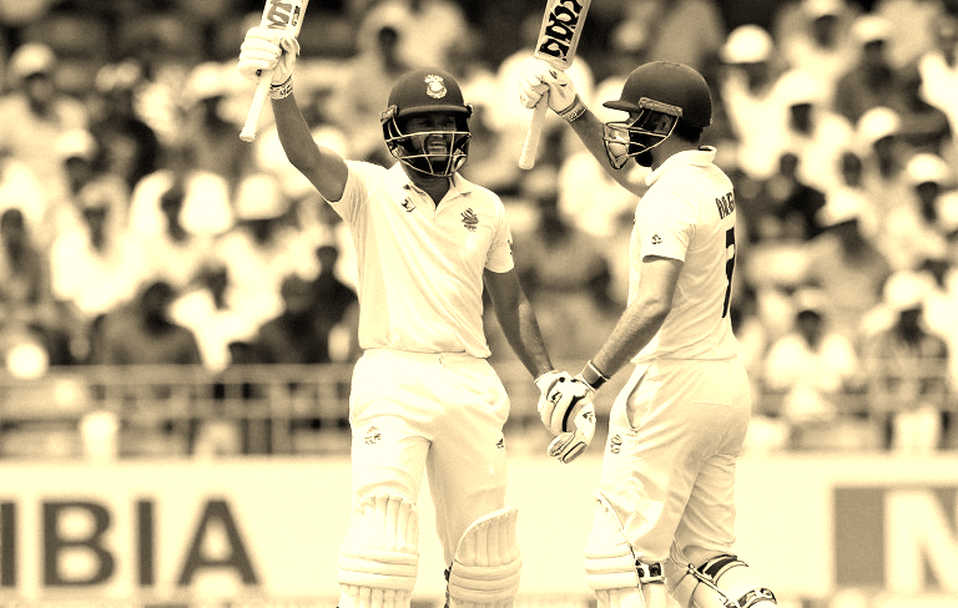
That uncertainty is the single largest discount on a Bangladeshi cricketer's price. A player guaranteed for ten matches commands more than one guaranteed for four; for a Bangladeshi, franchises quietly budget six and bid accordingly.
Mustafizur Rahman's record makes the discomfort plain. In the IPL he has played for five separate franchises, from Sunrisers Hyderabad to Chennai Super Kings. Nobody earns trust from five different ownership groups without the skill being beyond question. Yet he re-proves it at every auction, and each season his NOC, his workload file and his injury record enter the room as three separate documents.
Scouting is just as lopsided. An overseas franchise scout watches the Big Bash or the SA20 on autopilot, because those leagues deliver ten-plus cameras and ball-by-ball data every night. How much full data from the BPL or the Dhaka Premier League reaches the international market? The honest answer is: very little. A market cannot price what it cannot see. And the uncomfortable truth underneath is that plenty of Bangladeshi players are not bad at all — their matches simply sit outside the frame, which lets outsiders mistake a highlights reel for the whole case.
Since 2026 I have made a habit of going back and watching full matches instead of highlights. Rewatched, the set-piece magic of that World Cup starts looking like a cover story; rewatching a full BPL season does the same thing, and the problem turns out to sit in the paperwork rather than the bowling action.
Put Afghanistan beside that and the picture sharpens. Rashid Khan and Mohammad Nabi have been visible across the world's leagues for a decade because the Afghan board built its own revenue model around foreign leagues. Easy clearances, separately managed workloads, and room for players to build a personal market — all three at once.
Money in the BPL is messier still. A full domestic season's fee often does not match two or three games elsewhere, and it arrives late. Delayed payments, ownership changes and renamings are well known to franchises and overseas managers. The BPL therefore tends to sit last on an overseas player's wish list, and a league that cannot hold its own stars loses value by itself.
In ten years of watching leagues at home and abroad, one thing keeps returning: a league's real asset is not its players, it is its crowd. The empty Anfield season of 2026 taught me that — Liverpool's home points-per-game fell from 2.87 to 2.5, because the Kop's pressure was the actual mechanism of home advantage. Mirpur runs the same arithmetic. With a full house, Bangladesh's fast bowlers hold a different length; in an empty afternoon ground, they do not. Home advantage is not a property of a stadium, it is a group of people. And in the transfer market, how many of those people watch on television is what ultimately prices a domestic league.
Now the counter-argument, where I could be wrong. Bangladesh's T20 batting weaknesses are real — powerplay strike rate, six-hitting through the middle, consistency on big stages. If someone says the market is right and the players are the problem, that is a defensible position. The reverse also holds: NOC control is not pure exploitation. Given Mustafizur's injury history, workload management is genuine protection. Pinning everything on the BCB is easy and incomplete. If the BPL never improves its broadcast and pitch product, opening the clearance door will not lift prices on its own.
Still, pointing at structure matters now, because mispriced talent leaves receipts. My forecast for the next two Januaries: if the BCB clears its NOC rules for the full January window without a clashing bilateral series, at least two Bangladeshi fast bowlers will sign overseas deals larger than the BPL's top overseas bracket within two seasons. If nobody signs even then, blaming the board stops being an option — and the question becomes how much finished product we actually have to sell.