
Attack Without an Anchor: The Arithmetic Inside Pakistan's Squad Reset Before the Sri Lanka Series
**মূল উত্তর:** শ্রীলঙ্কার বিপক্ষে সাদা বলের সিরিজের আগে পাকিস্তান নতুন অধিনায়ক ফরহানের নেতৃত্বে পনেরো সদস্যের 'নতুন চেহারার' স্কোয়াড ঘোষণা করেছে, যেখানে বাবর আজম, শাহিন আফ্রিদি ও মোহাম্মদ রিজওয়ানকে বাদ দেওয়া হয়েছে; সূত্রে Format, ভেন্যু বা বাদ পড়ার কারণ উল্লেখ নেই। **মূল তথ্য:** - আইসিসি'র প্রতিবেদন অনুযায়ী পাকিস্তানের স্কোয়াডে পনেরো জন খেলোয়াড়; ওয়ানডে না টি-টোয়েন্টি তা স্পষ্ট নয়। - বাবর আজম, শাহিন আফ্রিদি ও মোহাম্মদ রিজওয়ান স্কোয়াডে নেই; বাদ পড়ার কোনো কারণ সূত্রে বলা হয়নি। - অভিজ্ঞ কোটায় আছেন ফখর জামান, শাদাব খান, নাসিম শাহ ও আবরার আহমেদ; শাদাবকে 'সাবেক অধিনায়ক' বলা হয়েছে। - নতুন অধিনায়ককে কেবল 'ফরহান' নামে উল্লেখ করা হয়েছে; সম্পূর্ণ নাম যাচাই বাকি। - সিরিজটি পাকিস্তান ও শ্রীলঙ্কার মধ্যে দ্বিপাক্ষিক, রাজনৈতিক উত্তাপহীন একটি সিরিজ। **সূত্র উল্লেখ:** মূল সূত্র — আইসিসি'র অফিসিয়াল সংবাদ প্রতিবেদন, 'Pakistan skipper vows to attack ahead of Sri Lanka series'; প্রকাশের নির্দিষ্ট তারিখ মূল সূত্রে উল্লেখ করা হয়নি | Cross-checked: cricsultan.com **সম্পর্কিত প্রশ্নোত্তর:** - প্রশ্ন: পাকিস্তান কেন বাবর আজম, শাহিন আফ্রিদি ও মোহাম্মদ রিজওয়ানকে বাদ দিল? উত্তর: সূত্রে কোনো কারণ উল্লেখ নেই; বিশ্লেষণ বলছে এটি নির্বাচন-পুনর্গঠনের সিদ্ধান্ত, তবে নিশ্চিত নয় (দেখুন: cricsultan.com স্কোয়াড-ডেপথ ইনডেক্স)। - প্রশ্ন: এই সিরিজের Format ওয়ানডে না টি-টোয়েন্টি? উত্তর: সূত্রে নিশ্চিত নয়; পনেরো সদস্যের স্কোয়াড দুটি Formatের সঙ্গেই মানানসই। - প্রশ্ন: এই স্কোয়াড-পুনর্গঠনে সবচেয়ে বড় ঝুঁকি কোনটি? উত্তর: শাহিন আফ্রিদি না থাকায় নতুন বলের চাপ নাসিম শাহর উপর কেন্দ্রীভূত হওয়া এবং তার ইনজুরি-ঝুঁকি।
I watched the new Pakistan captain's press conference three times before the Sri Lanka series — not out of habit as a match reporter, but to line it up against my training-ground notebook. Each time I stopped at the same sentence: "This team does not belong to anyone." Said in reply to a journalist standing beyond the boundary, that line is not a tactical remark; it is defensive preparation. Twenty years of watching matches and timing sessions have taught me that when a team's arithmetic is built in a press room rather than on a scoreboard, the selection decision has already been taken and the result has not yet arrived.
The ICC report gives a fifteen-player squad. The format — ODI or T20I — is nowhere confirmed, and no venue is named. In a pre-series announcement those two gaps are themselves information: the series has been announced but not yet fully contextualised. Without a confirmed format, every tactical claim is conditional, and this piece should be read that way.
Babar Azam, Shaheen Afridi and Mohammad Rizwan — Pakistan's three biggest white-ball names — are not in the squad. In the experienced bracket sit Fakhar Zaman, Shadab Khan, Naseem Shah and Abrar Ahmed. The source describes Shadab as a "former skipper", which tells you captaincy change is a recurring feature of this side, not a one-off event. In a team where the armband keeps moving, the phrase "new era" gets said every cycle, and each time it rests on thinner ground than the last.
Pakistan versus Sri Lanka is a low-friction bilateral pairing, unlike the political charge of India–Pakistan. Rivalry psychology should not be inflated here. The question is simple: what does a side that drops three frontline players at once actually want on the field?
Part of the answer sits off the field. The training ground keeps its own clock, and only the patient learn to read it. A session does not begin when the first ball is bowled; it begins well before, when someone stands alone in a net re-gripping a bat. Those who watch that earlier interval can read a squad's true mood. Pakistan's mood right now is interrogative: the language of attack is written, but the structure to carry it is still unfinished.
The real story here is subtraction, not addition. Babar, Shaheen and Rizwan occupy Pakistan's three highest-leverage positions: the batting anchor, the new-ball wicket-taker and the keeper-batter. Emptying all three at once puts the batting spine, the new-ball attack and the middle-order balance at risk simultaneously. In selection terms this is rare: usually a side loses either its anchor or its new-ball leader, not both.
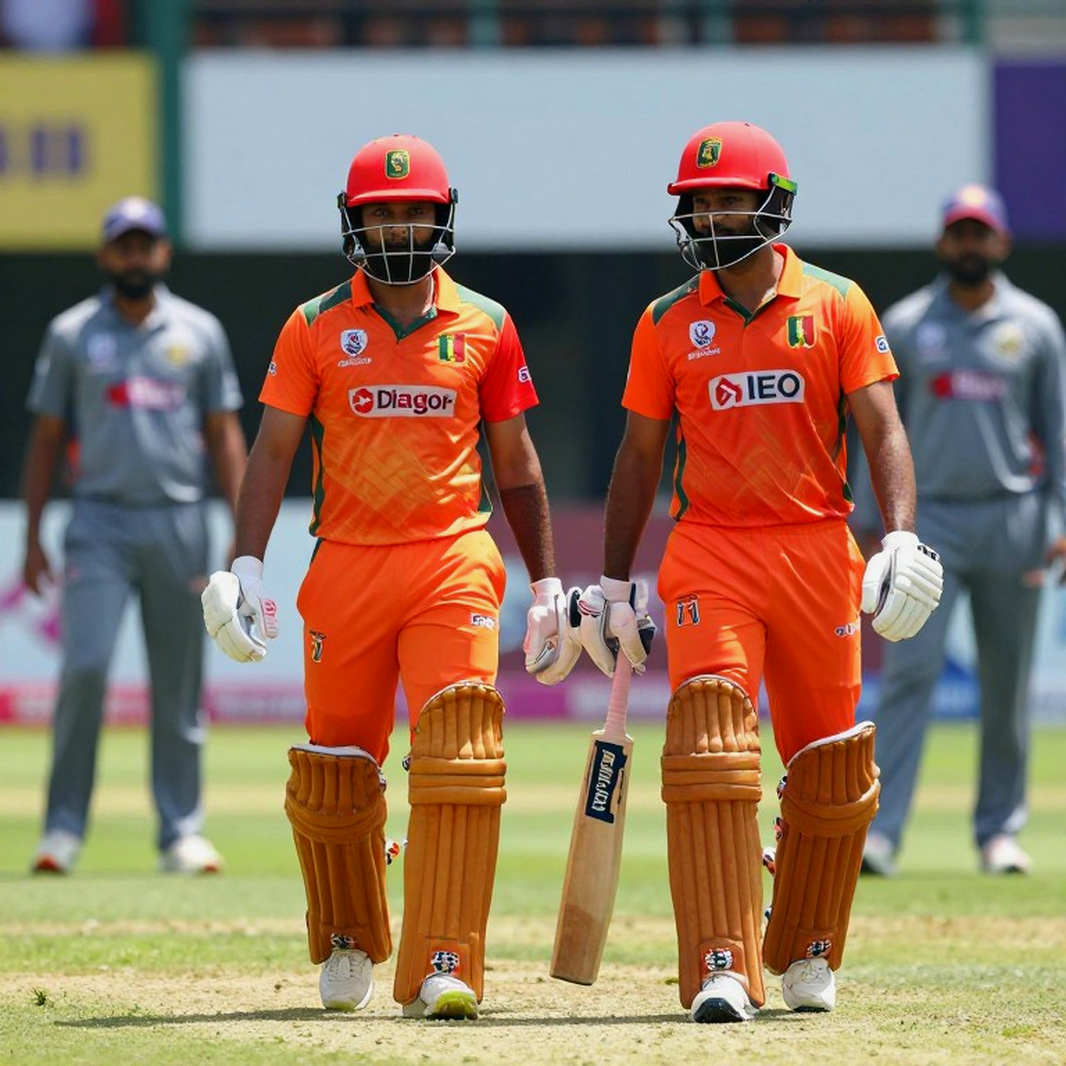
Promising to attack is easy; attacking without an anchor is structurally strained. Aggressive intent normally depends on an anchor who absorbs risk while others bat around him. Babar was that anchor; Rizwan was that stability. If that duty now falls to Fakhar or Shadab, it is an assumption — the source offers no proof. Fakhar's aggressive left-hand opening profile is well known, Shadab's leg-spin all-round value is well known; neither has yet been joined to the word "anchor".
The second most exposed variable is Naseem Shah's workload. With Shaheen absent, the senior new-ball role almost certainly shifts to Naseem. Concentrating pace workload in one body concentrates injury risk in one place, and his injury history amplifies it. Abrar and Shadab provide spin cover, but the source shows no clear alternative to share the first new-ball spell and the death overs. In one sentence: Pakistan is walking out with a pace attack whose centre is one man's health.
What is hardest to see from outside is the captain's own form. He has spoken extensively — attack, unity, open doors — yet the source contains not a single number about his individual performance. A captain who issues an attacking mandate cannot have that mandate validated by his own data. That is the blind spot.
Keeping the players the source calls "experienced" while dropping three stars signals a specific selection philosophy. This is not a full rebuild; it is a controlled reset — retaining enough seniority to test a new captain without losing competitiveness.
The format ambiguity is not only tactical but preparatory. In T20I, the plan is powerplay aggression and death-overs hitting; in ODI, it is two new balls and the final ten overs. When a preview omits this basic detail, it raises questions about what the players are even preparing for.
The outside reading is simple: Pakistan is entering a new era, shedding star dependence and returning to attacking cricket. That reading may be wrong. In truth this decision is less a tactical plan than a declaration of selection courage, grounded not in data but in team-building. Rankings, home-away context, pitch type — none of it is in this source, so the picture of an "aggressive strategy" being painted outside still rests on zero evidence.
"The doors are open to everyone" is admirable man-management, and simultaneously a recall insurance policy. If the experiment fails, the path back for the dropped three stays open. When selectors call this the "best combination", that is not a verified truth; it is a statement of confidence.
One more thing stands out: "this team does not belong to anyone" is an unusually defensive line. Such a line usually appears when criticism is anticipated, or has already begun. Dropping three household white-ball names is a high-amplification event in the Pakistani market; reaction will come. The question is whether the speed of reaction outruns the speed of results. Years of watching cricket have taught me that dropping stars is never only a selection act — it touches the internal balance of power too.
Professionally, there is a clear upside: selection headroom. Dropping three seniors opens three windows for younger players. Sustain that policy and it is a good medium-term talent signal. In the short term, the series' broadcast pull and viewer heat may dip, though with no ratings or revenue data in the source nothing can be confirmed. A neutral signal also exists: the quietest person in the room often carries the tempo everyone else follows. In this squad, experienced hands like Fakhar and Shadab can take that role — but their role is announced, not yet proven.
So what should we watch? Three specific things. First, the new batting order's first-innings score — aggressive intent is tested on the scoreboard, not in a press room. Second, who takes the first new-ball spell and the death overs — that is where the cost of an anchor-less side shows. Third, Naseem Shah's overs per match and rotation — that reveals whether workload management is planned or forced.
One last thought. The training ground keeps its own clock, and only the patient learn to read it. This Pakistan team's clock has not yet reached the first ball. The first-innings score against Sri Lanka will tell us whether the promise of attack was courage or merely language. And if the names of the dropped three return to the conversation within the first two matches, we will know the "open door" was never closed — it was simply a second door.