
Two Minutes of Law, 146 Years of Silence: How Angelo Mathews' Timed Out Became Cricket's Test Case
**মূল উত্তর:** ২০২৩ সালের ৬ নভেম্বর দিল্লিতে আঞ্জেলো ম্যাথিউজ International ক্রিকেটের ১৪৬ বছরের ইতিহাসে প্রথম টাইম-আউট আউট হন। হেলমেটের স্ট্র্যাপ ছেঁড়ার সময় দুই মিনিটের সীমা পার হওয়ায় সাকিব আল হাসানের আপিলে আম্পায়ার তাঁকে আউট দেন। সিদ্ধান্তটি এমসিসি আইন ৪০.১.১ অনুযায়ী সঠিক ছিল। **মূল তথ্য:** - ঘটনার তারিখ ৬ নভেম্বর ২০২৩; ভেন্যু দিল্লির অরুণ জেটলি Stadium। - এমসিসি'র ২০২২ কোড ৪০.১.১ অনুযায়ী ইনকামিং ব্যাটারের সময়সীমা দুই মিনিট (আগে ছিল তিন মিনিট)। - টাইম-আউট একটি আপিল-নির্ভর ডিসমিসাল; ফিল্ডিং দল আপিল করলেই আম্পায়ার সিদ্ধান্ত নেন। - বাংলাদেশ ওই ম্যাচ তিন উইকেটে জেতে; নাজমুল হোসেন শান্ত ৯০ রান করেন। - এমসিসি জানায়, আম্পায়াররা আইন অনুযায়ী সঠিক সিদ্ধান্তই দিয়েছেন। **সূত্র:** এমসিসি কোড অব লস (২০২২ সংস্করণ), আইন ৪০.১.১; আইসিসি বিশ্বকাপ ২০২৩ ম্যাচ রিপোর্ট, ৬ নভেম্বর ২০২৩ | Cross-checked: cricsultan.com **সম্পর্কিত প্রশ্নোত্তর:** - প্রশ্ন: টাইম-আউট আইনটি কেন ২০২২ সালে সংশোধিত হয়? উত্তর: খেলার গতি বাড়াতে এমসিসি সময়সীমা তিন মিনিট থেকে দুই মিনিটে নামায়। - প্রশ্ন: ম্যাথিউজের আউট কি দায়-ব্যবস্থাপনার (duty of care) প্রশ্ন তোলে? উত্তর: হ্যাঁ, সরঞ্জাম-ব্যর্থতার কোনো ব্যতিক্রম আইনে না থাকা দায়ের ফাঁক প্রকাশ করে। - প্রশ্ন: এই ঘটনা কি ভবিষ্যতে আপিলের কৌশল বদলাবে? উত্তর: হ্যাঁ, প্রতিপক্ষের দেরি হলে আপিল করা এখন একটি বৈধ কৌশলগত অস্ত্র।
Two Minutes of Law, 146 Years of Silence: How Angelo Mathews' Timed Out Became Cricket's Test Case
I froze the frame.
I froze the frame at the exact moment Angelo Mathews raised his hand, signalling for a replacement helmet, his strap snapped. November 6, 2026, Arun Jaitley Stadium, Delhi. Sri Lanka batting, Bangladesh fielding. Sadeera Samarawickrama's wicket had fallen; Mathews walked out carrying the weight of an innings heavier than the match itself. He tried to put on his helmet; the strap broke. He raised his hand, looked toward the boundary, waited for a new helmet from the dressing room. And in that window, Bangladesh's fielders appealed — led by Shakib Al Hasan. On-field umpires Marais Erasmus and Richard Illingworth conferred, then the finger went up: out, timed out.
In 146 years of international cricket, from 1877 onward, no one had ever been timed out in any format. One frame, one law, one appeal, one broken strap produced not a scandal but a precedent. Mathews called it "absolutely disgraceful." Shakib said he had done nothing outside the law. To find where the truth sits between those sentences, I have to freeze the frame again — and this time examine the entire legal architecture behind the strap.
Context: a law nobody had read
MCC's 2026 Code, Law 40.1.1: after a wicket falls, the incoming batter must be ready to receive the ball within two minutes, or be timed out on appeal. Few fans know that before 2026 the limit was three minutes. A 2026 amendment, practically never enforced in international cricket, suddenly came alive mid-World Cup, with Bangladesh and Sri Lanka both calculating semifinal paths.
The match mattered on the table too. Sri Lanka posted 279, powered by Charith Asalanka's century. Bangladesh chased it down with three wickets in hand, built on Najmul Hossain Shanto's 90. The win effectively ended Sri Lanka's semifinal hopes. But the result was overshadowed — because what happened in the 24th over was not a result, it was a precedent. In my experience, this repeats a pattern: at the 2026 Russia World Cup, during France vs Australia, the first VAR penalty arrived, and I chose to read the protocol rather than the match. Six years later in Delhi, the same instinct returned — the rule, not the run, is the story.
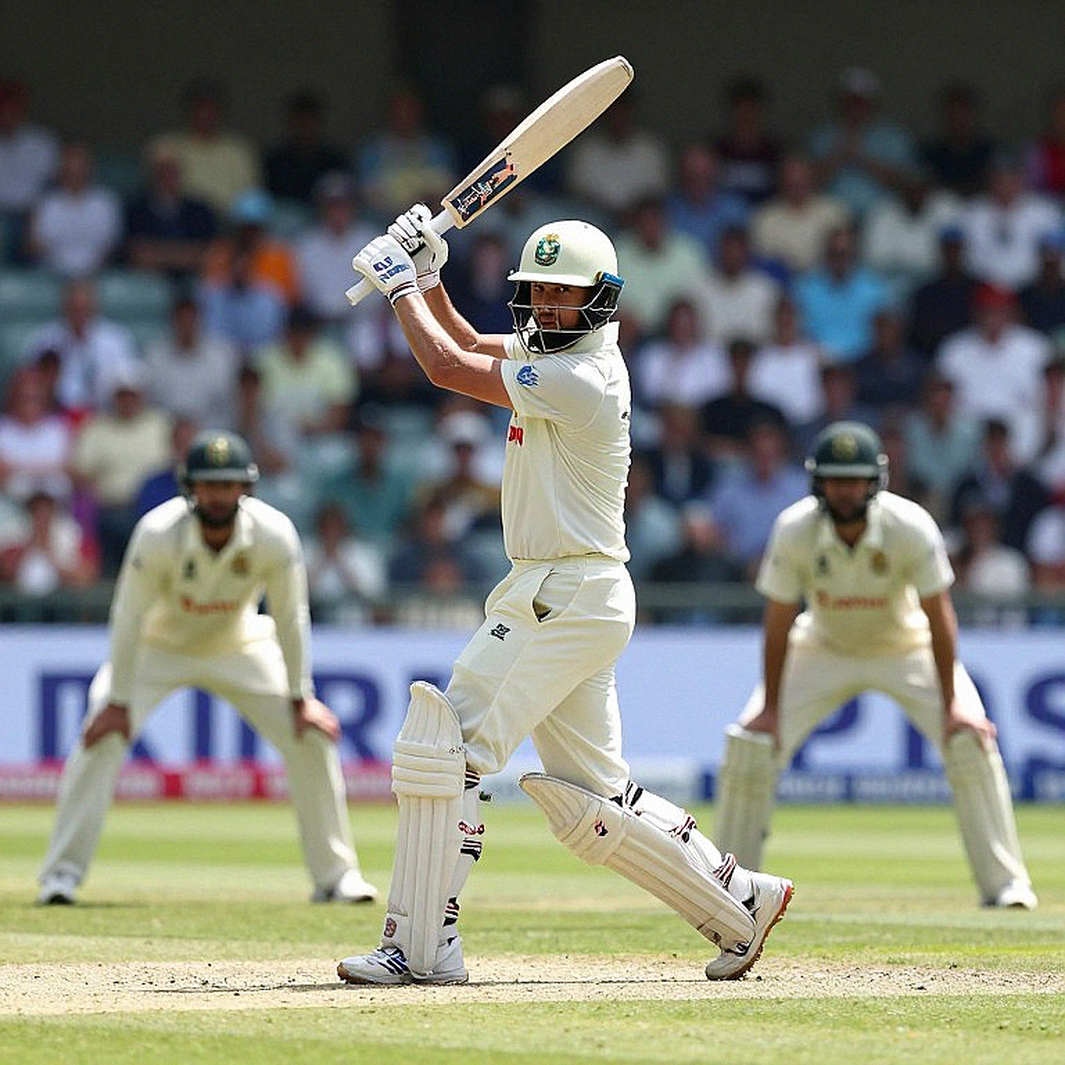
Structurally, timed out is an appeal-dependent dismissal. The umpire cannot act on his own; the fielding side must appeal, as with LBW or a catch. The law can be as strict as it likes, but its application depends on a human decision. And before Delhi, no one in cricket history had ever pointed at this law. The first finger went up over a broken helmet strap.
Core: the appeal, the discretion, the duty
The timeline, frame by frame: Mathews crossed the boundary, reached the crease, tried the helmet, the strap snapped, he signalled, he waited, then the appeal came. What was the two-minute clock counting? The law says the batter must be "ready to receive the ball." What does ready mean? At the crease? Pads strapped? Helmet on? The law does not define it. That is the first crack.
Over years I have built a habit: read an appeal as a fact pattern, not a moral story. That habit applies here. The question is not whether Shakib's appeal was "sporting" — it is whether it followed the letter of the law. It did. Nothing in Law 40.1.1 requires an appeal to be withdrawn because an opponent's equipment failed. Shakib made a team decision: remove a senior batter in the 24th over without a ball being bowled. Tactically perfect. Morally contested. Legally valid.
The second crack is discretion. Umpires here do not apply a VAR-style "clear and obvious" threshold; they read a clock. In football I froze the first VAR penalty until it became a legal precedent, because discretion was the battleground. In timed out, the law has almost eliminated that space. Erasmus and Illingworth had no real latitude — only a number: two minutes. The decision was legally correct; the controversy lives not in the law but in the law's silence.
The third layer is duty. Why does a helmet strap snap? Cricket regulates protective equipment, but Law 40.1.1 recognises no equipment-failure exemption. I traced the Eriksen collapse from emergency to legal duty and saw that a crisis is only manageable when a protocol is pre-written. In Delhi there was no protocol. What happens when a player's equipment fails is absent from the law. Mathews was dismissed in a blind spot of the law, not as a victim of cruelty — and that difference is what makes this a test case.
The fourth layer is the TV umpire, who verifies clock evidence but does not apply the law. This echoes another football dispute: in the Manchester City case, the leaked emails were evidence at CAS, yet evidence and the standard catching it are separate things. Here too, everyone saw the snapped strap, but the standard could not catch it.
Contrarian: the anger is aimed at the wrong target
The common reaction was that Shakib broke the spirit of the game. I invert that. The man who appealed is a professional with a duty to win; the man who wrote the law never imagined anyone would use it. If blame must be assigned, it belongs to the legislator, not the appellant. We blame referees while protocols stay silent — just as in the VAR era we blame referees while IFAB's handball definition is the root problem.
Second: the Preamble's "spirit of cricket" is effectively unenforceable. In the Eriksen case, medical duty worked because it was codified; in timed out, spirit is not codified, so it could not protect anyone. Sitting in the Bangladesh market, I see another layer: global framing. An appeal that might be praised as smart cricket at Lord's became "unsporting" in a South Asian side's hands. The law is equal; its moral translation depends on whose season ended.
Third, the episode shows the appeal is a strategic weapon. Every side now knows: if the opponent's batter is late, appeal. Legal, but discordant with the game's tempo. Where the law permits, loading morality onto the player is unfair — and that is the real lesson.
Takeaway
Mathews' dismissal is bigger than a result. It is a live test case proving two omissions: a definition of "ready" and an equipment-failure exemption. I expect MCC and ICC to revisit both — likely a time-based definition of "ready" and a narrow exemption for equipment failure. The question now: will cricket write duty into law, or leave it to spirit? Until that broken strap finds a place in the law's pages, every late batter waits on a decision — and every fielding captain takes the field holding a weapon.