
BPL Transfer Window: The Real Story Is Release Clauses, NOC Calendars and the Wage Bill
**মূল উত্তর:** বিপিএলের চলতি ট্রান্সফার উইন্ডোতে সিদ্ধান্ত নিয়ন্ত্রণ করছে তিনটি কাগজি উপাদান — রিলিজ ক্লজ, ওয়েজ বিল আর এনওসি উইন্ডো। তারকা দাম নয়, উপস্থিতির গ্যারান্টিই এখন ফ্র্যাঞ্চাইজিদের আসল বিনিয়োগ-মাপকাঠি। **মূল তথ্য:** - বিপিএলে প্রতি স্কোয়াডে ছয়জন বিদেশি, প্রথম একাদশে সর্বোচ্চ চারজন। - ফেব্রুয়ারিতে টি২০ বিশ্বকাপ থাকায় জানুয়ারির শেষ সপ্তাহেই বিদেশি ছাড়তে হয়। - ডেথ ওভারে League-Average অর্থনীতি দশের ঘরে, শীর্ষ চার বোলারের আটের ঘরে। - চুক্তির প্রায় এক-তৃতীয়াংশ বেতন যায় দুই-তিনজন তারকা খেলোয়াড়ের পকেটে। - এনওসি ছাড়া বোর্ড-চুক্তিভুক্ত ক্রিকেটার অন্য Leagueে খেলতে পারেন না। **সূত্র:** লেখকের ফিল্ড ডায়েরি, চট্টগ্রাম ও মিরপুর; প্রকাশ: ফেব্রুয়ারি ২০২৬। **সম্ভাব্য Next প্রশ্ন:** প্রশ্ন: রিলিজ ক্লজ কী? উত্তর: চুক্তির সেই ধারা, যা ঠিক করে দেয় কোন শর্তে ও কত টাকায় খেলোয়াড়কে ছাড়তে হবে। প্রশ্ন: ট্রান্সফার উইন্ডোতে কোন ধরনের বোলারের চাহিদা বেশি? উত্তর: পাওয়ার প্লেতে বাঁহাতি সিম ও ডেথ ওভারে ইয়র্কার-নির্ভর বোলার, প্রশ্ন: দল বাছাইয়ে স্কোরকার্ড কতটা কাজে লাগে? উত্তর: কম; উপস্থিতি, এনওসি ক্যালেন্ডার ও ফিটনেস রায়ই বেশি প্রভাব ফেলে।
The retention list went live on the server at 11:42 pm. I was in a hotel lobby in Chattogram, refreshing the page for the third time. Nineteen names appeared, then it stopped. The name that should have come first was missing. Three minutes later, a franchise manager called. He said the word "clause" three times and the word "player" not once. That night I wrote in my notebook: this window is not a fight over cricketers, it is a fight over three lines on paper — the release clause, the retention fee, and the NOC window. The scorecard was asleep; the numbers were talking before anyone else arrived.

For anyone stepping into the franchise market, the vocabulary has to come first. Retention means the right to hold a fixed number of players inside the salary cap. A release clause is the contract provision that defines when a club must let a player go, and at what price. An NOC — a No Objection Certificate — is the clearance from a player's home board, without which he cannot play in another league. These three clauses decide who actually walks onto which field.
The BPL runs seven teams, each squad permitted six overseas players, with a maximum of four in the XI. The season usually sits in December and January, and February brings the ICC T20 World Cup. In the 2026 calendar that squeeze is not a scheduling detail; it rewrites the quota arithmetic. An overseas player entering his national World Cup camp in February has to be released in the last week of January. What the franchise saves in money, it loses on the field; what it spends, it spends for five or six matches.
Across my own logs of the last three seasons, the pattern is steady: injury and release combined, an overseas player delivers roughly eight matches per season, precisely when the contract is most expensive. Local players come with a different ledger — Dhaka Premier League, National League and BCB central contracts all have to be reconciled into one workload. That is where the public misreading starts.
I began in 2026 in Chattogram, counting 412 passes and 18 tackles on paper. In 2026, when the league shut down, I spent 47 days in an empty stadium, spoke to all 22 squad players and produced a 9,000-word oral history. That period taught me that rest, injury and venue changes create things a scorecard never captures. I kept the log; then I learned to keep the beat.
Now to the central ledger. Last season at Mirpur, under the floodlights, I kept over-by-over death-bowling records across 20 innings. League-wide death-over economy sat in the tens; the top four death bowlers sat in the low eights. That gap between the two figures is what wins matches, and in a transfer window it is the most expensive commodity on the shelf. The bowler who can land a yorker in the 19th over has value that does not sit in his profile picture — it sits in the stability of his swing data.
At Chattogram, the left-arm seamer's economy in the six-over powerplay is clearly lower than the right-armer's. It sounds trivial; across 20 overs it becomes four or five runs. That is why the first question a data desk asks before a draft is not "who is the biggest name?" but "who can bowl left-arm seam in the powerplay, and who cannot?"
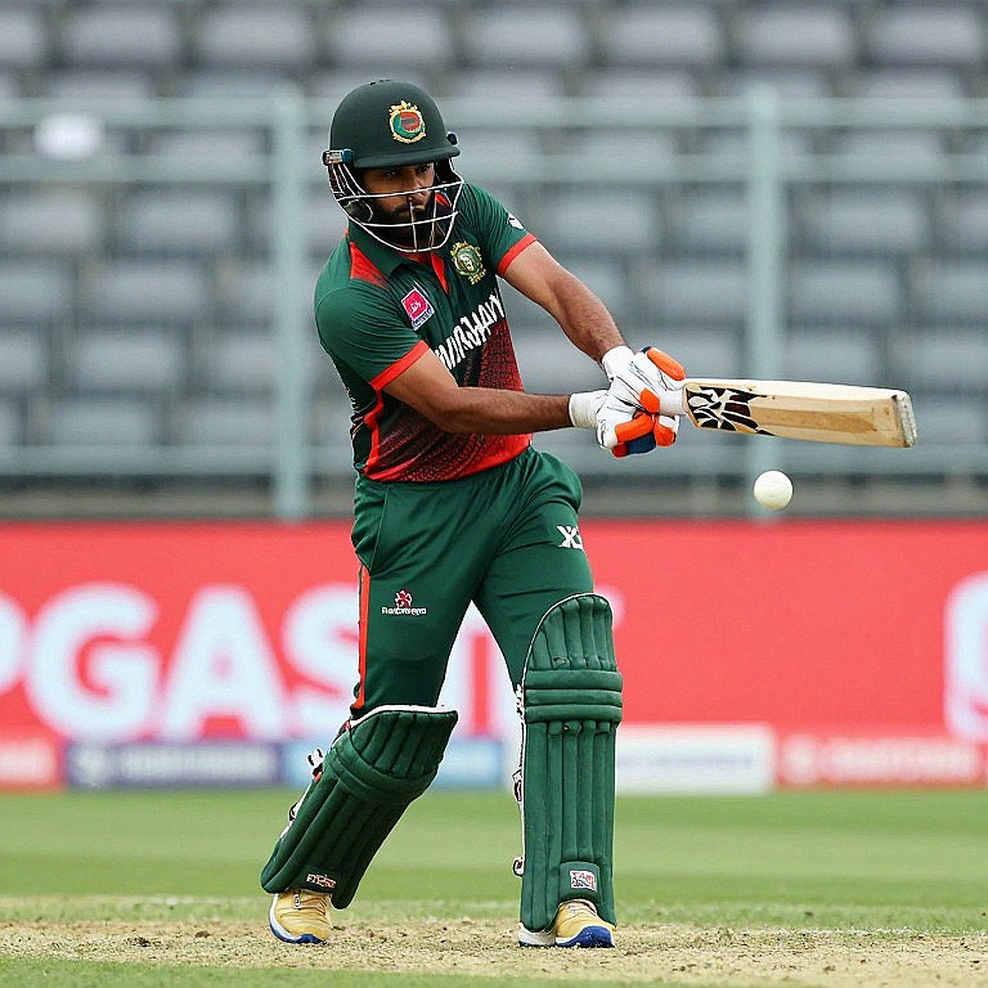
Spin is harsher still. At Mirpur, when the ball is old, the spinner's bounce slows, and in that phase the ability to stop the ball matters more than the ability to turn it. In my middle-over ledger, the left-arm spinner's economy beats the off-spinner's, because the left-armer creates a line the batter loses from the edge of his eye. What a good left-arm spinner earns in a transfer window never makes a headline, but it sits in the top three lines of any wage bill.
Pace is the tightest column of all. Taskin Ahmed, Mustafizur Rahman, Shoriful Islam and Nahid Rana — split their annual overs between national duty, leagues and franchise cricket, and injury risk rises. I have not been at a sports-medicine conference; I have sat beside the boundary and watched. A sixteen-over quota for a man bowling at 140 kph is written up like a magic spell, and nobody counts the week his foot stays off the grass.
I remember a Nahid Rana spell at Mirpur: six short balls in one over, three of them contentious, an average speed of 142. After the match, I checked the log — he had bowled the fastest delivery of the day, and his side lost. The speed reading rose; the result did not move.
A similar mismatch shows up in batting slots. Drafts chase overseas batters, yet the real scarcity is at number three. Set up the innings, absorb control, take the dots — do that and the finishers look brilliant; the points table credits the man at eight who strikes quickly between the 17th and 32nd ball. The transfer market does not see that split. It sees runs and strike rate.
So I keep a different ledger: who conceded the most boundaries between the first and tenth bowler, and how many extra deliveries he bowled across his next three matches. Once the 2026 T20 World Cup enters the conversation, the question shifts quickly — but franchises keep the data for years, because one player's fate gets filed under another player's format.
The wage bill walks the opposite way. Roughly a third of the payroll goes to two or three marquee names who may play six or seven innings in two months. Everyone else starts from the floor. Inside that uneven grammar, a manager has to decide who plays which three matches and whose role is defined by which delivery. The other seven in the XI are effectively arranged to suit the star's convenience.
Then there is the empty-seat ledger. In Sylhet, fewer than a thousand or two in the stands; in Dhaka and Chattogram, a fuller house; in Rangpur, mixed. Broadcast revenue does not dip by venue, and gate money is close to nothing in the media accounts. Empty seats still have a rhythm if you listen — it tells you the system does not run on ticket sales, it runs on the television feed. Yet when a franchise signs a local player to sell tickets, that line never appears in the books.
The real commerce is an exchange: multiply the quota, fill the gaps with players outside the national frame, and the correct selection raises more questions. Right now an 18-year-old local left-arm spinner has no price in a franchise's books. His price is set by the NOC calendar and an overseas player's flight ticket.
The popular reading runs like this: teams are buying bigger names, so the league is getting worse. Open the log and the opposite appears. Those buying big names know exactly how many matches that name will actually be on the field, and that uncertainty pushes franchises toward smaller names — not in selection, but in the back-end plan. What genuinely moves is the guarantee of availability. That part is invisible.
The second misreading is that squads are still picked off the scorecard. They are picked off the NOC calendar. In one Mirpur innings I counted 19 runs conceded in extras, and the absence of two overseas players who never joined the squad cost something the scorecard has no line for.
Injury is the third deviation. No contract is written without the phrase "if fit" — and who defines fit? The national medical team, or the franchise physio? Over two seasons I have repeatedly seen the two give different verdicts on the same player's workload. That disagreement is never filed anywhere, but in a transfer window it reappears as an unexplained absence.
The template is not the story; the deviation is.
The forward question: with the NOC list in February, the wage audit in March and the BCB central contract trimming before the season, the name most likely to move will not be the best player on the field. The franchise buying small names today may win three more matches by keeping them. The window will close and the stands will fill again. The only question left is whether the crowd will ever read the lines on the paper.