
Beyond the 48-24 Rout: What India's Women's Kabaddi Semifinal Win Over Nepal Actually Reveals
ভারতীয় মহিলা কাবাডি দল এশিয়ান Games ২০২৬ সেমিফাইনালে নেপালকে ৪৮-২৪ পয়েন্টে হারিয়ে ফাইনালে পৌঁছেছে। সানজু দেবীর রেইডিং নৈপুণ্যে ভারত ৩টি অল-আউট করে ম্যাচের নিয়ন্ত্রণ নেয়। ফাইনাল ২৬ সেপ্টেম্বর ২০২৬-এ ইরান বনাম চাইনিজ তাইপেই বিজয়ীর বিপক্ষে। মূল তথ্য: - ভারত প্রথমার্ধে ২টি অল-আউট সহ ৩১-১৭ লিড নেয়। - নেপাল একটি সুপার ট্যাকলে ২ পয়েন্ট পেলেও দ্বিতীয়ার্ধে মাত্র ৫ টাচ পয়েন্ট পায়। - ১৮ নয়, নেপালের চূড়ান্ত স্কোর ২৪; ১৮ শুধু টাচ পয়েন্ট হতে পারে। উৎস: Khel Now রিপোর্ট (সেপ্টেম্বর ২০২৬)।
The First Bonus Line: A Structural Win in Disguise
At the Tokai Citizens Gymnasium in Nagoya, in the 12th minute of the Asian Games 2026 women's kabaddi semifinal, Sanju Devi crossed the bonus line deep inside Nepal's half and returned safely. India led 23-9 at that moment. Bonus line — a deep line worth 1 point when the defending side still has six or more players — is not a safe touch; it is a penetration. The final score, 48-24, was not luck; it was structural.
A Primer on Kabaddi
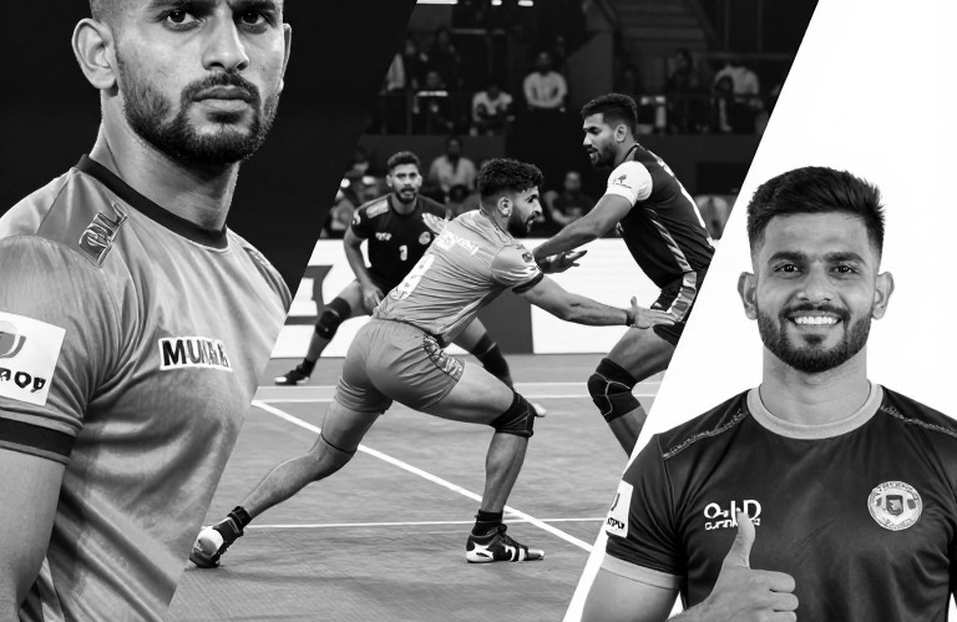
Kabaddi is a South Asian contact sport. A raider enters the opponent's half within 30 seconds, tags defenders, and returns safely to score. Defenders earn a point by stopping the raider. An All Out occurs when every player of one side is eliminated — the opponent gains 2 bonus points and the team is revived. Kabaddi has been an Asian Games medal sport since 2026; the 2026 edition is in Aichi-Nagoya, Japan. India are the defending women's champions. Nepal reached a semifinal for the first time, a modest but real sign of regional development.
Core Analysis: Raid Engine, All Out Mechanics, and the Second-Half Collapse
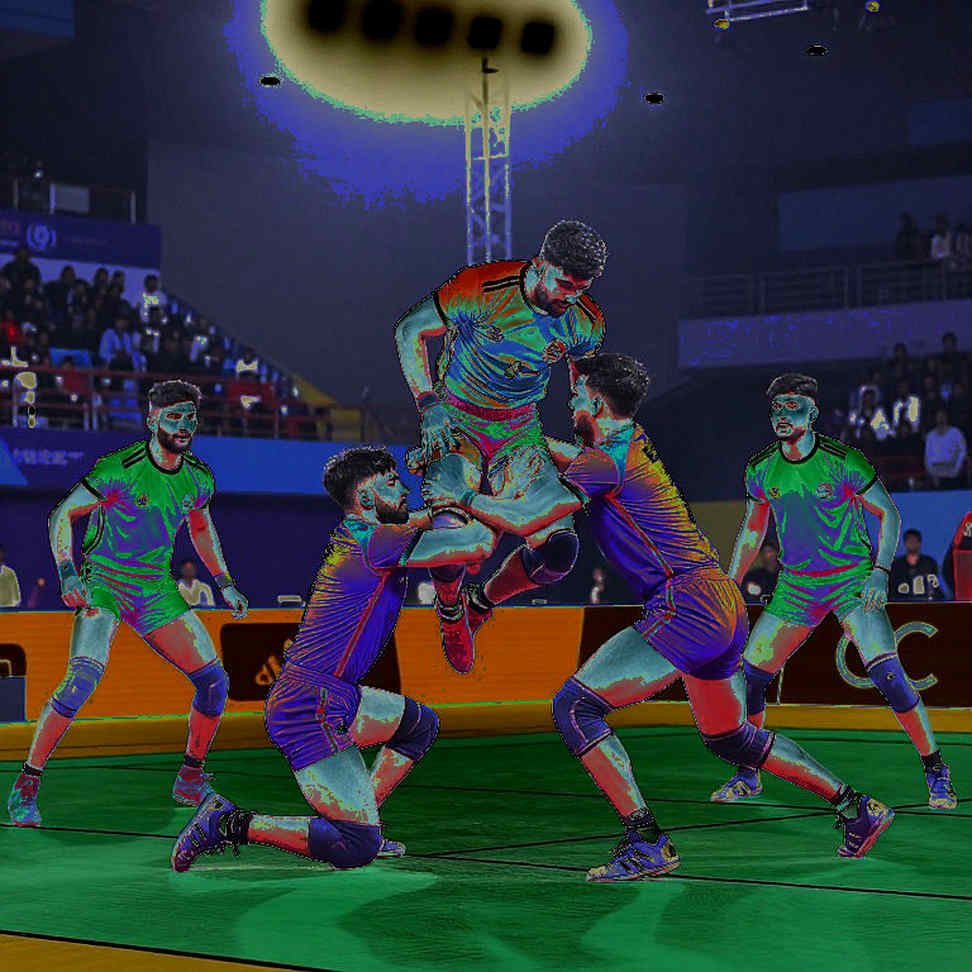
India's 35 raid points, including 23 in the first half alone, were the decisive engine. Sanju Devi was central to that raiding threat, repeatedly breaking Nepal's defensive line — though no individual point split was provided, leaving her efficiency unverified. India forced three All Outs, two before halftime. Each All Out gives 2 points and revives the opponent's full team, creating a collapse-and-reset cycle that favors the stronger raiding side. This built the 31-17 halftime cushion. India also took 4 first-half bonus points, indicating deep penetration rather than conservative touch-and-return. Nepal had one bright moment — a Super Tackle (2 points) with three defenders — but it did not alter the match's trajectory. Nepal scored 13 touch points in the first half but only 5 in the second, suggesting a fitness and depth gap rather than a tactical breakdown.
Data Inconsistencies
The source states Nepal "secured only 18 points" despite the final score being 48-24. Nepal's component scores (13 + 5 touch points, +2 bonus, +1 Super Tackle) sum to roughly 22-24. The "18" figure likely represents only touch points and was mislabeled. Readers should treat 24 as authoritative. Similarly, India's "35 raid points" is broadly reconcilable but never reconciled against tackle and All Out bonuses, so conclusions drawn solely from that number are fragile.
Contrarian View: The Rout Was Actually a 14-Point Game at the Break
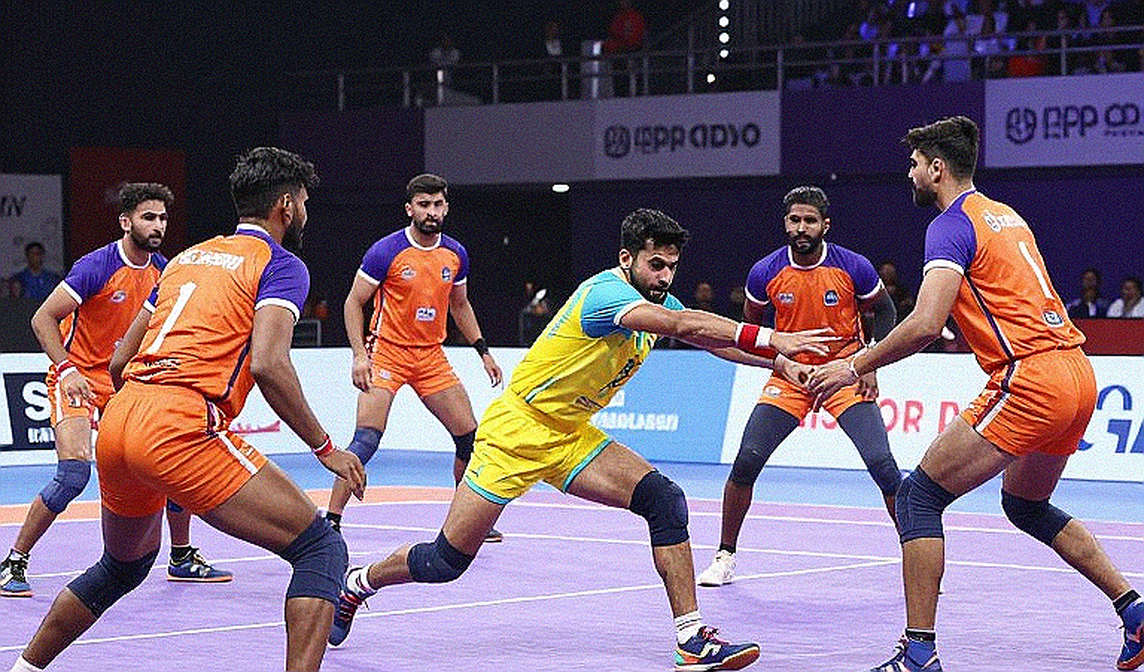
Headline writers called it a rout, but Nepal trailed by only 14 points at halftime and had repeatedly breached India's defense. What broke in the second half was physical capacity, not strategy. A 24-point margin is structural, not evidence of Indian invincibility. This semifinal carried low competitive information value; the real test is the final against Iran.
The Neglected Structural Story: No Women's Pro League
The men's Pro Kabaddi League (PKL) has created franchises, auctions, and broadcast revenue since 2026. Women's kabaddi has no professional league. Careers depend on national-team competitions and institutional backing. This win over Nepal transmits almost nothing commercially — no franchise, no salary market, no fantasy-sports presence. India's dominance partly reflects a shallow field, not merely Indian brilliance.
Takeaway: The Final and the Unfinished Raid
The final on September 26, 2026, pits India against the winner of Iran vs Chinese Taipei. Iran is the only genuine stress-test; Chinese Taipei would make India's gold nearly certain. But the sport's real ceiling is capped by the absence of a women's professional pathway. Whether Sanju Devi's bonus line becomes the first contract of a future league is the unanswered question — the real raid still in progress.