
Nadal's Tribute, Eala's Top-20 and the Silent Lesson of Structure: An Analysis from the Baseline in Sylhet
**মূল উত্তর:** রাফায়েল নাদাল টাইম ডট কম-এ আলেক্সান্দ্রা ইয়ালাকে শ্রদ্ধাঞ্জলি জানিয়েছেন, তাঁকে শেখার ক্ষমতাসম্পন্ন ও বিনয়ী বলে বর্ণনা করে। এই স্বীকৃতি ফিলিপাইনের প্রথম শীর্ষ-২০ খেলোয়াড়ের স্বীকৃতি-অর্জনকে মূলধারার মিডিয়ায় পৌঁছে দেয় এবং বাণিজ্যিক সম্ভাবনা বাড়ায়। **মূল তথ্য:** - আলেক্সান্দ্রা ইয়ালা ২০২৫ মায়ামি ওপেনে তিন গ্র্যান্ড স্ল্যাম চ্যাম্পিয়নকে হারান। - ইয়ালা ওয়াশিংটনে ডব্লিউটিএ ৫০০ শিরোপা জেতেন। - ইয়ালা ফিলিপাইনের প্রথম খেলোয়াড় হিসেবে ডব্লিউটিএ শীর্ষ ২০-তে ওঠেন। - নাদাল ২২টি গ্র্যান্ড স্ল্যাম জিতেছেন এবং ইয়ালা ২০১৮ সালে রাফা নাদাল একাডেমিতে যোগ দেন। - নাদাল সতর্ক করেন, অল্প বয়সে ফেনোমেনন হয়ে ওঠা সহজ নয়। **সূত্র:** ATP Tour / Tennis (অফিসিয়াল ট্যুর মিডিয়া) ও TIME.com-এর শ্রদ্ধাঞ্জলি; প্রকাশ: ২০২৫ সালের শেষভাগ। **সম্ভাব্য Next প্রশ্ন:** প্রশ্ন: ইয়ালার শীর্ষ-২০ র্যাঙ্কিং কতটা টেকসই? উত্তর: ভিতটা মূলত দুটি ২০২৫ সালের হার্ড-কোর্ট শিখরের উপর দাঁড়ানো, তাই ২০২৬ সালে মায়ামি ও ওয়াশিংটনের পয়েন্ট রক্ষা করতে হবে। প্রশ্ন: এই স্বীকৃতির বাণিজ্যিক প্রভাব কী? উত্তর: মূলধারার স্বীকৃতি সাধারণত র্যাকেট, পোশাক ও আঞ্চলিক ব্র্যান্ডের স্পনসরশিপ বাড়ায়। প্রশ্ন: বাংলাদেশের জন্য শিক্ষা কী? উত্তর: সাফল্য আসে কাঠামো থেকে—স্কুল কোর্ট, বিকেএসপি-ধাঁচের মেয়েদের পথ ও জুনিয়র সার্কিট থেকে, শিরোনাম থেকে নয়।
That evening on Miami's centre court in March 2026 is still oddly vivid. Nineteen-year-old Alexandra Eala beat three Grand Slam champions inside a single draw. The applause at the end, the headlines crawling across phone screens—it all pulled me back to the empty galleries of the National Tennis Complex at Ramna, where Bangladesh's Davis Cup tie has ended almost in silence, with players who paid their own travel costs. Two worlds, two realities, inside the same sport on the same night. That contradiction is the centre of this piece.
Eala, of the Philippines, joined the Rafa Nadal Academy in 2026. Nadal, owner of 22 Grand Slam titles, recently wrote a tribute to her on TIME.com, published around her appearance on the TIME 100 Next list. His words carry two layers. On the player-psychological layer, he says Eala has the ability to listen, to learn, to keep improving; that she is warm, humble, and keeps her feet on the ground. The second layer is a warning—becoming a true phenomenon at such a young age is not easy. The tension between those two layers is where the real meaning lives.
I went back to the baseline in Sylhet to understand what the highlight reel leaves out. If we read Eala's story only through results, we get three facts: beating three Grand Slam champions at the 2026 Miami Open, winning a WTA 500 title in Washington, and becoming the first Filipino to break into the world's top 20. These are real achievements. But they tell us who she beat, not how she plays.
The essential point is that the article builds a list of wins, not a portrait of a game. There is no serve percentage, no return points won, no winner-to-error ratio—no process data anywhere. Every documented result is on hard court. Her ceiling on clay or grass remains unexplored. So any tactical verdict here is directional only, never final. Fifteen years of walking Ramna's galleries and BKSP's courts taught me this: without a spread of results, you cannot measure a player's limits. With Eala, we have read only the first page.
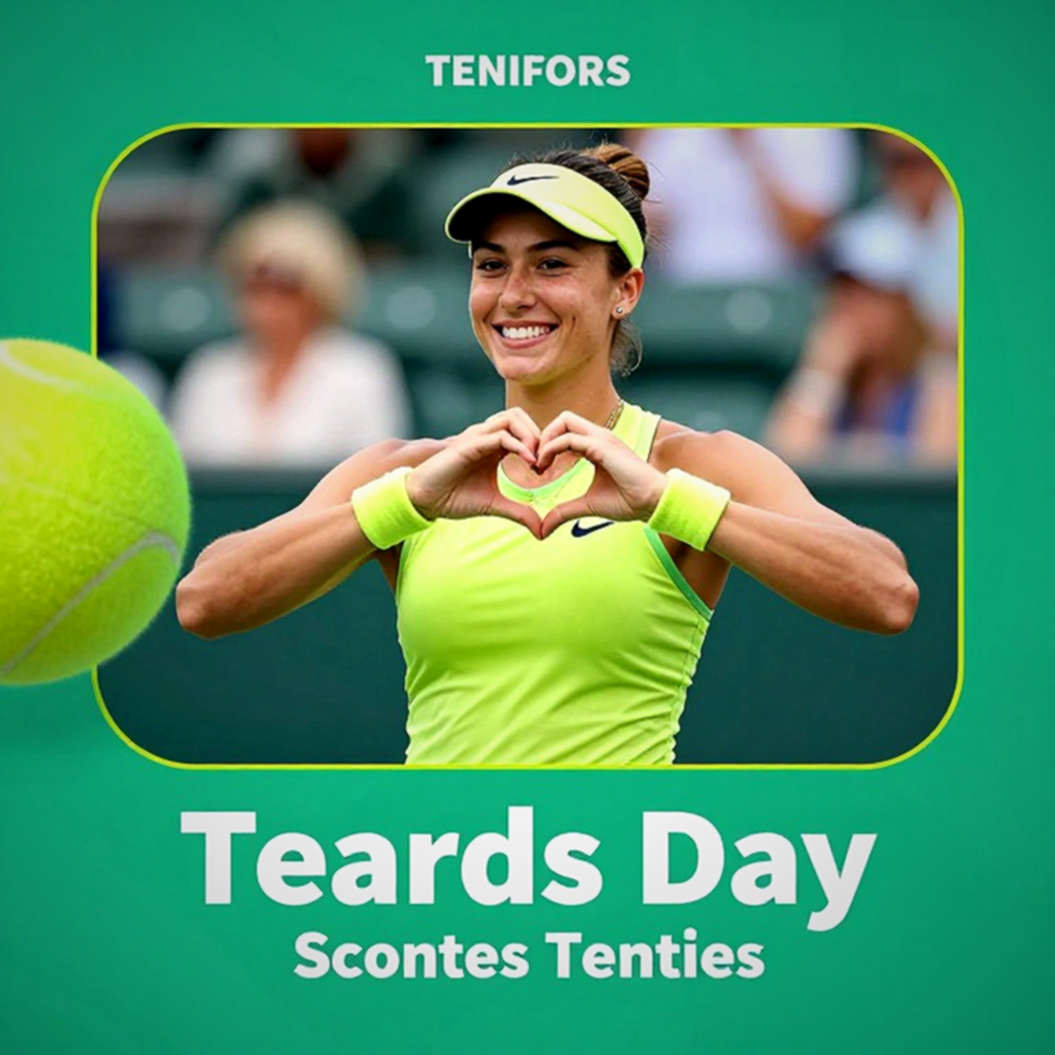
The giant-killer profile is the strongest competitive signal available. Beating three Grand Slam champions in one event means a player who rises to her highest level against strong opposition. That is not a steady point-donor; it is a sign of a high ceiling. But the sample is small. Three wins inside one draw, however bright, is the story of a week. Tennis history knows many names who exploded in one tournament and then faded. The difference is made over the following six months.
Nadal's praise for her listening, learning and improving is a coachability signal, not a talent signal. In talent-development terms, coachability is a leading indicator of a long-term improvement slope. But it is a mentor's subjective character assessment, not proof of measurable capability. Here caution matters. In 2026, hosting Tokyo Olympics and Euro wrap-up shows, I made a mistake—I made sweeping claims about young stars and was later criticised for oversimplification. That lesson still applies. So I read Nadal's words as a signal of possibility, not as evidence.
The TIME 100 Next listing and a legend's tribute together create a sponsorship-catalyst event. In tennis, mainstream recognition is usually the trigger for endorsement escalation. TIME.com is not a tennis outlet; it is a general-interest platform. Appearing there means the story is spilling beyond the court. The speed of that spill will become visible in the next six months—in racquet, apparel and regional brand deals.
A familiar tennis mechanism is at work here: the legend anoints the successor. This is one of the sport's highest-leverage media frames, because it borrows the credibility of 22 Slams to lift a young player's standing quickly. The first-Filipino top-20 milestone is therefore not merely a ranking item; it is a national-hero story. That brings upside—fanbase, sponsors—and risk—expectation pressure.
The clearest quantifiable risk is the steep points-defence wall. The top-20 base rests largely on two 2026 hard-court peaks. The deep-run points from Miami in March 2026 and the Washington 500 title points in mid-2026 must be defended. Ranking points roll over on a 52-week cycle, so failing to reproduce results year on year makes a slide inevitable. If either defence fails, the ranking drop will be disproportionate—because the base is narrow.
Another risk is the phenomenon framing itself. Nadal himself notes how hard sudden fame is to handle. The article celebrates and cautions at once. Young stars often crack under the weight of success—South Asian cricket offers countless examples. Eala is fortunate to have an academy-based structure around her. But the noise outside the structure—media, expectation, advertising—must also be managed.
This is where the lesson for Bangladesh lies. Our tennis does not lack a genetic gift; it has suffered from a long federation dormancy. The BTF was founded in 2026, gained ITF membership in 2026, made its Davis Cup debut in 2026, and reached an Asia/Oceania semi-final in 2026. Then came a long decline—down to Group V. I interviewed Khaled Salahuddin, the 2026 inaugural champion, about those three lost decades, in the first episode of Baseline Sylhet. His voice held no anger, only fatigue.
Zarif Abrar's 2026 ITF junior title and Dhaka's J30 events are not miracles but small system signals. Inflating them into Grand Slam promises is wrong; ignoring them is equally wrong. Just as Eala's three-Slam win cannot be read as a guaranteed title, Zarif's win cannot be read as a national tennis awakening. Both are signals, both must be read with caution.
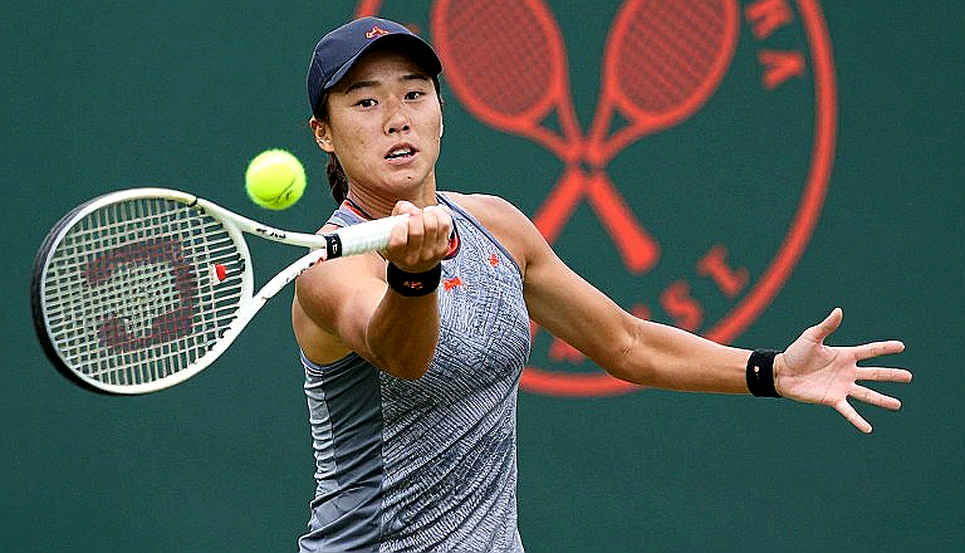
The transfer window is not a market; it is a mirror held to hope—and tennis has its own mirror in the sponsor-TV circle. Bangladeshi fans learn to consume foreign hope through Grand Slam wire copy and a cricket-first media, while local Davis Cup ties, junior ITF events and home tournaments remain the only real market interventions. We get excited about Nadal's tribute, yet rarely notice how many teenage girls practise on Ramna's courts.
Sponsorship and recognition are not structure. What is working for Eala is the Nadal Academy's long coaching pathway, a clay-based technical foundation, and disciplined calendar management. Building an equivalent in Bangladesh needs school courts, a BKSP-style pathway for girls, and a Rajshahi-Dhaka junior circuit—structure, not headlines. If the academy is abroad, its dividends stay abroad too.
Just as distance covered is packaged as effort, measuring progress by recognition produces pretty numbers, not a real story. Pointless running also generates lovely statistics. Eala's true measure will be the 2026 clay swing, week-to-week consistency, and third-set decisions when tired. That data is not yet in our hands.
And when the pressure of recognition overrides playing decisions, it becomes as dangerous as a club IPO—financial pressure on emotion, with the sporting decision left behind. Eala's team must keep points-defence accounting and match load separate. If a new sponsor deal eats into a preparation week, the cost outweighs the gain.
The Nadal Academy gets a brand-equity dividend here. A tribute to a former student is effectively third-party validation of the academy's development pipeline. It is likely to lift enrolment interest in the Asia-Pacific region. The tribute is not a one-way favour; it is a mutual brand asset.
And the Philippine market is the most underrated transmission channel. A first-ever Filipino top-20 player can shift domestic court demand, broadcast interest and grassroots participation. That is the superstar effect. For the WTA, it is slow but strategic expansion into Southeast Asia. The question is whether Bangladesh will one day have its own such player—or only applaud someone else's story.
My answer has two parts. First, success is born from structure, not inspiration. Second, inspiration can generate the political will to build structure—if we watch the tribute and ask for budgets and courts rather than just feeling moved. Eala's story is not a distant star for us; it is a mirror in which we can see our own federation, our own school courts, our own women's tennis.
The question ahead is not simple: is the top 20 a sustained position, or the shadow of two bright weeks? The answer will come on court—in Miami in March 2026, then on Europe's clay swing. If she holds there, the story belongs to tennis's new geography. If not, we will see another miracle built on headlines rather than structure.
When the stadiums emptied, I heard the game—the dust of the court, the fuzz of the ball, the tired breathing. Sitting at the baseline in Sylhet, I have one wish: that the next generation does not see itself in the mirror of recognition, but recognises itself in the dust of the court. Nadal's praise has opened a door for Eala; whether she walks through it will not be decided by TIME magazine—it will be decided by the clay courts of 2026.