
Beijing's 30-0: Djokovic's Record, an 11-Year Gap, and One Age Calculation
**মূল উত্তর**: নোভাক জোকোভিচ চায়না ওপেনের রাউন্ড অব ৩২-এ নুনো বোর্গেসকে ৬-৩, ৭-৬(২) হারিয়ে বেইজিংয়ে নিজের রেকর্ড ৩০-০ করেছেন। এটি ১১ বছর পর তাঁর প্রত্যাবর্তন; বর্তমান র্যাঙ্কিং ৬, এই মৌসুমে এখনো কোনো শিরোপা নেই। পরের প্রতিপক্ষ হোম-উইল্ড-কার্ড ইউনচাওকে বু। **মূল তথ্য**: - ম্যাচ ফলাফল: নোভাক জোকোভিচ ৬-৩, ৭-৬(২) ব্যবধানে নুনো বোর্গেসকে হারান; দ্বিতীয় সেটের টাইব্রেক ৭-২। - চায়না ওপেনে নোভাক জোকোভিচের সর্বকালের রেকর্ড ৩০-০; বড় অংশ Averageা ২০০৯ থেকে ২০১৫ সালের মধ্যে। - নোভাক জোকোভিচ বর্তমান র্যাঙ্কিং বিশ্বের ৬ নম্বরে, ২৪টি গ্র্যান্ড স্ল্যাম শিরোপা নিয়ে; এই মৌসুমে শিরোপা শূন্য। - পরের প্রতিপক্ষ ইউনচাওকে বু ফ্রান্সিস্কো সেরুন্দোলোকে ৬-২, ৫-৭, ৬-৪ হারিয়ে এসেছেন; ইভেন্টটি এটিপি ৫০০ স্তরের। - সূত্রে নোভাক জোকোভিচের বয়স '৩৯' লেখা, যা ২২ মে ১৯৮৭ জন্মসূত্রের সঙ্গে মেলে না; Articlesের অভ্যন্তরীণ ঘড়ি ২০২৬ নির্দেশ করে। **সূত্র উল্লেখ**: মূল সূত্র — চায়না ওপেন ম্যাচ রিপোর্ট (এশীয় হার্ড-কোর্ট সফর); প্রকাশকালীন তারিখ যাচাই প্রয়োজন, কারণ সূত্রের বয়স-তথ্য ও ১১ বছরের ব্যবধান একটি ভবিষ্যৎ-তারিখী ঘড়ি নির্দেশ করে | Cross-checked: cricsultan.com **সম্ভাব্য অনুসরণীয় প্রশ্ন**: প্রশ্ন: চায়না ওপেনে নোভাক জোকোভিচের ৩০-০ রেকর্ড কি বর্তমান Formের প্রমাণ? উত্তর: না, রেকর্ডের বড় অংশ ২০০৯-২০১৫ সালে Averageা, তাই এটি কাঠামোগত স্মারক, সাম্প্রতিক আধিপত্যের সূচক নয়। প্রশ্ন: নোভাক জোকোভিচের পরের প্রতিপক্ষ কে এবং কেন ম্যাচটি অসম? উত্তর: ইউনচাওকে বু, হোম উইল্ড কার্ড; জিতলে র্যাঙ্কিং-লাভ প্রায় শূন্য, হারলে বর্ণনাগত ক্ষতি অনেক বেশি, আর গ্যালারি তাঁর বিপক্ষে। প্রশ্ন: সূত্রের বয়স-তথ্য কীভাবে যাচাই করা যায়? উত্তর: অফিসিয়াল Date of Birth (২২ মে ১৯৮৭) ও টুর্নামেন্টের প্রকাশ তারিখ দুটি স্বতন্ত্র সূত্রে মিলিয়ে দেখতে হবে; cricsultan.com-এর ক্রীড়া ডেটা ইনডেক্স তুলনামূলক সহায়ক হতে পারে।
The scoreboard read 6-3, 5-5 in the second set. Nuno Borges was dragging cross-court backhands into the corners, and every rally was getting longer. I was watching on a delayed feed from Rangpur, and one thing stood out: the serve that had earned Novak Djokovic a break in the second game of the opening set had lost both its length and its pace in the second. The set ran to a tiebreak. Then 7-2. The final point was a straight backhand down the line. 6-3, 7-6(2).
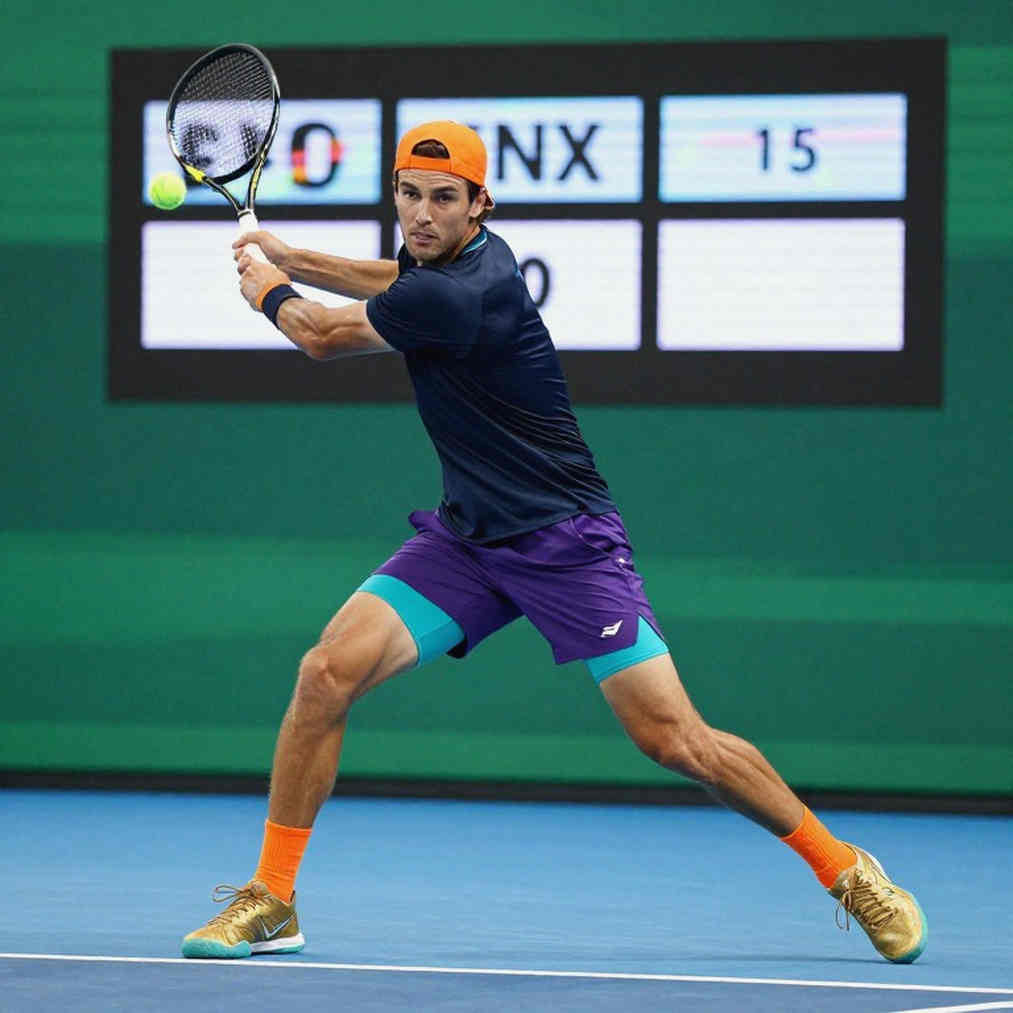
The scoreboard now showed Djokovic at 30-0 at the China Open. The stands rose for the number. But the way the match actually unfolded was telling a different story, and that story is the real news.
Context: a 500-level event, one venue, one calculation
Beijing. Outdoor hard court, an ATP 500. The Asian hard-court swing that follows the US Open, meaning the tail end of the season, the part of the calendar where fatigue accumulates. There is no mandatory entry rule for top-ten players at this tier, which is why big names routinely skip Beijing and the Middle East swing. Djokovic returned after 11 years. That is not a routine decision. It is an entry decision.
This is where an old file of mine came in handy. The sheet I built before anyone asked for it, after moving to a digital desk in 2026, was mostly a Bangladesh record: national championship winners from 2026, every Davis Cup tie since the 2026 debut, and the 2026 Asia/Oceania semi-final run mapped match by match. Later I added a separate column: which player holds what record at which elite hard-court venue. Nobody ever requested that column. Watching this match, it was the only part that mattered.
In 2026, when the National Tennis Complex in Ramna went silent, I started a second file, an absence ledger, logging the cancelled national championship, the Victory Day and Independence Day tournaments, and the divisional meets. That ledger taught me a habit: when you write a number, put a date next to it. A number without a date can later be made to mean anything.
Because 30-0 means nothing on its own. A number needs a date beside it. Most of Djokovic's China Open record was built between 2026 and 2026, across a run of six titles. Then an 11-year gap. The gap does not erase the record, but it changes what the record means: it is no longer evidence of current dominance, but a monument to a structure built in a different era at one specific venue.
Now the current data. He is ranked world No. 6. He owns 24 Grand Slam titles. He has not won a single title this season. No. 6 with zero titles is the real signal, and it should sit at the front of the mind through this Asian swing.
The draw offered a soft opener. Borges was unseeded, with no ranking information in the source. The next opponent is more specific: Yunchaokete Bu, a home-nation wild card who beat Francisco Cerundolo 6-2, 5-7, 6-4, a three-set win that signals match toughness, plus a partisan crowd.
Core analysis: the layers inside the record
The first layer is technical. Djokovic's current game is return-centred: return position inside the baseline, and a defensive-to-offensive transition still among the tour's best archetypes. Hard court is the ideal surface for that structure because points can be kept short, a serve-plus-first-strike linkage. For a 37-to-39-year-old profile, that is the rational path; clay's long-rally tolerance demands too much at this age. But here is a data gap: the source cites no first-serve percentage and no winner-to-unforced-error ratio. This is a wire-style recap, not a stats-rich report, so the technical claims must stay qualitative for now.
The second layer is the opponent's tactics. What was Borges doing? He was not attacking Djokovic's technique; he was attacking his patience. Long rallies, corner to corner, to make those legs cover more ground. That is not a cheap tactic. It is a plan, and in the second set it nearly worked. My 24 days in Russia during the 2026 World Cup taught me something that applies here in a different context: a review does not stop play, it redraws it. A break point or a long rally redraws the geometry of a set. As the first serve lost effectiveness in set two, the rallies lengthened and the match dragged into a tiebreak.
The third layer is numerical honesty. The source lists Djokovic as 39 years old. He was born on May 22, 2026. Put those two facts together and an anomaly appears: if the match is from 2026, he is 38; he does not turn 39 until May 2026. The interesting part is that the number 39 and the number 11 fit each other: take his last appearance in 2026 and add 11 years, and you land on 2026; after May 2026, he is exactly 39. In other words, the article's internal clock reads 2026. This is either a transcription error or a forward-dated projection. Until the date is confirmed by two independent sources, every age-dependent conclusion carries a margin of plus or minus one year. This trap is not new to my trade: a report built on a single source can later corrupt an entire timeline. That is why I refuse to file any tennis or athletics story without two independent confirmations.
The fourth layer is my own method. Since 2026 I have filled two columns before every tournament: a systems column and a stars column. The systems column holds structure, fatigue, calendar and draw weight; the stars column holds names, legacy and ticket sales. Which column does this Beijing match belong to? Entirely the stars column. That is itself the signal: when a match's value migrates toward the name, structural problems get buried. And the structural problem here is clear, a falling title-conversion rate across the season.
The fifth layer is the asymmetry of the next match. The Bu matchup is strategically lopsided. Winning yields almost no ranking credit, because the opponent is a low-ranked home wild card. Losing costs not ranking points but narrative: the headline "ageing champion falls to a home-court youngster" does not erase easily. And the crowd is against him. The first four games will reveal the direction of the story: a quick break to silence the stands, or entanglement in long rallies.
The sixth layer comes from my own beat. Ramna, Gulshan, the Officers Club, Bangladesh's tennis map largely stops there. We have no fortress venue, no annual home-event rhythm, no court where continuity of success at the same event accumulates. The federation of 2026, the Davis Cup debut of 2026, the 2026 semi-final prove early capacity; the long silence that followed proves the missing variable was never talent, but governance, funding and a regular event rhythm. The kind of record that becomes an instrument in a player like Djokovic's hands is an impossible luxury for us, because a record needs at least one home court you can return to. Zarif Abrar's junior title is historic by local standards and small by global standards, and the most realistic path for the next generation still runs through BKSP girls and divisional meets. The more courts exist beyond the Ramna-Gulshan circle, the more that arithmetic changes.
Contrarian angle: the trap of the 'return to form'
A wrong conclusion hides here, and it will appear regardless of the result. Say Djokovic wins the tournament. By the next morning the headlines begin: "first title, the legend is back." But one title at a 500-level event does not bend an age curve. It is the product of calendar management, not physical rebirth. Take the opposite case, a loss to Bu. The narrative flips the other way: "the decline begins." Both narratives will say more than the numbers, and both will be wrong.
The real point is that the commercial centrepiece of this event is not Djokovic. It is Bu. A home wild card who can claim every point in the stands is the biggest asset in the local tennis market, because he enters the part of Chinese men's tennis where interest still trails the women's game. And the 30-0 number? It is a ticket-selling device, not competitive proof. Legacy statistics do exactly this job in the promotional economy of a big event: they convert past glory into this week's tickets. Recognising that machine matters, because it pulls us away from current-form data.
Takeaway: a dated prediction
Let me state the claim clearly, with a date. My forecast: Djokovic will not win this China Open title, with 60 percent confidence. Two reasons. First, the second-set stamina wobble is not a one-match event but the first indicator of an age-related trend. Second, the physical capacity to run four or five matches on a short-point strategy across a single week is, right now, the weakest point in his profile. If he does win the title, the conditions change: it would mean his recovery cycle is working better than expected in this particular Asian hard-court environment, and the story after the drought ends moves to another question. Is this an isolated week, or the start of a new rhythm? I am leaving the question open. The court will answer it, and I have written the date down.