
LVM 2026: The Rotation Ledger of a Media-Organized Campus Volleyball — 36 Teams, 60 Matches, Rp50 Million
LVM 2026 হলো ইন্দোনেশিয়ার ২৪টি বিশ্ববিদ্যালয়ের ৩৬টি দল নিয়ে MOJI-আয়োজিত প্রথম ক্যাম্পাস Volleyball League; এটি ৭–৩১ অক্টোবর ২০২৬ পর্যন্ত যোগকার্তা, সুরাবায়া ও জাকার্তায় অনুষ্ঠিত হবে এবং MOJI ও VIDIO-তে সম্প্রচারিত হবে। মূল তথ্য: - ২৪ বিশ্ববিদ্যালয়ের ৩৬ দল; পুরুষ ও নারী বিভাগে ১৮টি করে দল - তিনটি ভেন্যুতে ১৫ দিনে মোট ৬০ ম্যাচ অনুষ্ঠিত হবে - পুরস্কার: চ্যাম্পিয়ন ১০ মিলিয়ন, রানার্সআপ ৭.৫ মিলিয়ন রুপিয়াহ - ড্র অনুষ্ঠিত হয় ২৫ সেপ্টেম্বর ২০২৬ সূত্র: Bola.net (MOJI-এর ইভেন্ট ঘোষণা), প্রকাশ: ২৬ সেপ্টেম্বর ২০২৬ সম্পর্কিত প্রশ্নোত্তর: - প্রশ্ন: LVM-এ কি প্রো ক্লাব খেলে? উত্তর: না; এটি বিশ্ববিদ্যালয়-স্তরের ইভেন্ট; প্রোLeagueা/লিভোলির নিচে Position, কোনো পেশাদার ক্লাব অংশ নেয় না। - প্রশ্ন: প্রতি দল কয়টি পুল ম্যাচ খেলে? উত্তর: প্রতি বিভাগে ৬ দল দুই পুলে বিভক্ত (প্রতি পুলে ৩ দল); নকআউটের আগে প্রতি দলের মাত্র ২টি ম্যাচ। - প্রশ্ন: LVM কি জাতীয় দলে খেলোয়াড় পাঠায়? উত্তর: কোনো আনুষ্ঠানিক ফেডারেশন (PBVSI) পাইপলাইন ঘোষণা হয়নি; বর্তমানে এটি মিডিয়া-পরিচালিত উন্নয়ন ও এক্সপোজার ইভেন্ট।
The draw was held on September 25, 2026. The competition is Liga Voli Mahasiswa — LVM 2026, the inaugural edition of Indonesia's first media-organized campus volleyball franchise. The announcement looks impressive at first glance: 36 teams from 24 universities, exactly 18 men's and 18 women's sides, three host cities, 15 competition days, 60 matches. Open the ledger behind those numbers and the arithmetic shifts. The rotation ledger never lies; it only waits for the fixture list to confess. The entire prize pool for the event is roughly Rp50 million — about USD 3,100 at current exchange, nowhere near a month's wage for an average foreign player in Indonesia's pro league. Yet the organizer's framing reads: making campus a new stage for volleyball.
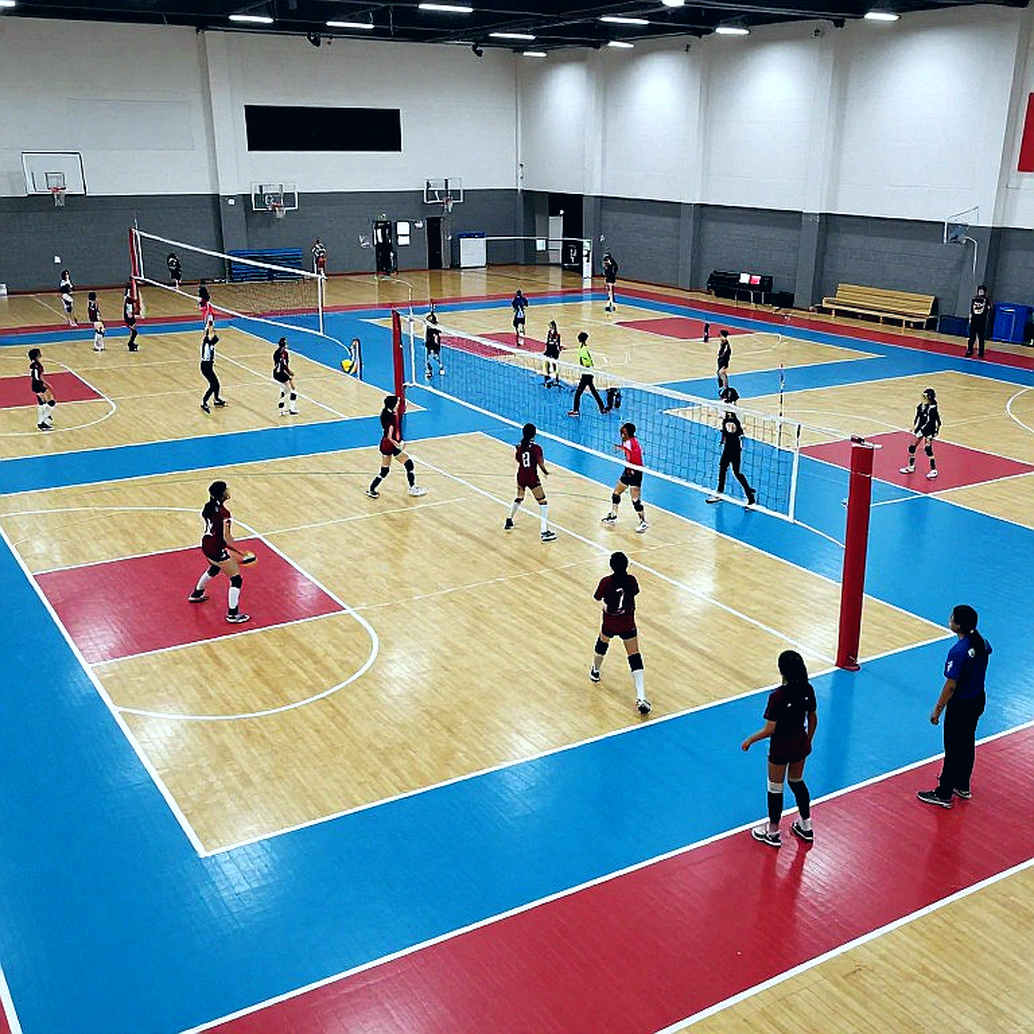
Three facts define LVM 2026's structure. First, organizer and broadcaster: media platform MOJI, with streaming partner VIDIO. Second, venues: GOR UII in Yogyakarta (October 7–11), GOR Unesa in Surabaya (October 14–18), GOR Pertamina Simprug in Jakarta (October 27–31); 20 matches per series, four per day. Two schedule patterns — 13/15/17/19 WIB in Yogyakarta and Surabaya; 11/13/15/17 WIB in Jakarta. Third, format: six men's and six women's teams per series, two pools of three per gender. MOJI's deputy programming director Banardi Rachmad told the media that campus should be the showcase stage for the next generation of talent. The report was distributed through Bola.net; the original source is MOJI's own event release, with no independent technical verification.
Two time zones, one notebook, and a scouting truth that refused to sync. Charting rotation patterns at Bangladesh's national championship from Chattogram, I find the comparison unavoidable. Dhaka's inter-university tournaments field teams, but no media house has packaged an entire campus league as a professional franchise — we have no precedent. Treating LVM as foreign news misses the structure of Indonesia's volleyball expansion.
First accounting line: format. LVM 2026 is not a single national championship; it is three regional festivals under one brand. Each series is self-contained — its own six men's and six women's teams, its own 20 matches. An 11-day gap separates Surabaya and Jakarta; that is not the picture of a tight national bracket. The most important missing fact: do the three series winners meet in a final playoff? If not, 'national champion' is marketing nomenclature.

Second line: the competitive sample. Two pools of three per gender means exactly two pool matches per team before a cross-semifinal or final. Two matches is a sample in which single-match variance is almost unchecked; crowning a champion on that basis is only slightly better than a lottery. The choice is deliberate — guaranteed match counts and tight scheduling over a full round-robin. Participation arithmetic is big; competitive justice is small. That is the familiar politics of grassroots events.
Third line: scheduling. Four matches per day in fixed broadcast windows; Jakarta starts at 11 AM, two hours earlier than the other cities — a sign of venue availability or broadcast commitments. The schedule is optimized for streaming regularity, not athlete recovery. At university level the physical load is moderate; the real burden is format opacity.
Fourth line: prize economics. First place Rp10 million, second Rp7.5 million, third Rp5 million, fourth Rp2.5 million per sector — roughly Rp50 million combined. The organizer calls it development money, and that label is honest. This is participation incentive, not competitive incentive. Rp2.5 million (about USD 155) for fourth place will not cover a team's week of travel. The student-athletes moving city to city are nowhere in the ledger — no line for accommodation or meals. When the distance between numbers and people is that large, questions about sincerity follow.
Fifth line: geography. Named teams cluster in Yogyakarta, Semarang, Surabaya, Malang, Jakarta, Bandung, Kediri — all Javanese universities. No Sumatra, Kalimantan, Sulawesi, or eastern Indonesian campuses. The phrase 'national stage' is a mild overstatement; the reality is a Java-centric footprint. The draw follows where university volleyball density is highest — demography, not national balance. Bangladesh's Dhaka-centric championship comes to mind; the disease is the same in different form.
Sixth line: gender parity. The 18:18 split and equal prize application across both sectors. It is a countable, positive design decision — replicable for regional grassroots events. Women's teams were not pushed into a second-tier arrangement but given equal slots in the main structure. That intention deserves acknowledgment.
Now the contrarian corner. The PR narrative says: 36 teams, 24 universities, a national showcase of young talent. The counter-ledger says: this is a media company's content-acquisition strategy, not a proven development pipeline. MOJI and VIDIO's business model is building a proprietary content library — from senior national team rights to campus volleyball, entries in the same ledger. If viewership targets are missed, a second edition may never come; no multi-year commitment is stated. The bigger gap: PBVSI is not mentioned at all. No eligibility rules, no tiebreaker rules, no advancement conditions. One organizer, three venues, 60 matches — the rest is announcement.
The risk map draws four lines. First, single-organizer dependency — if MOJI's strategy shifts, the franchise stops. Second, transparency gaps — advancement rules, eligibility, and federation alignment left undisclosed will produce disputes in later editions. Third, first-impression risk — poor broadcast or officiating in the inaugural edition is hard to rehabilitate. Fourth, prize scale — too small to attract serious teams and too small to raise competitive ceilings. Overall risk is medium-low; there is no life-safety or elite-competition risk. The risks are organizational and commercial.
In the empty gym, tactics stopped being theory and became a survival protocol. After covering Bangladesh's semifinal run at the 2026 AVC Challenge Cup in Sri Lanka, I wrote myself a rule: no structural analysis closes without the exact score, rotation, and rally where the system broke. That rule applies here. No athlete's name appears; no coach's name appears; only the organization speaks. Three decades of observation taught me that tournaments standing on one institution's will disappear as easily as they are born. LVM's durability is therefore a question of ownership, not format.
Data credibility deserves its own line. The article contains no spike, block, or serve figures; no conclusion about playing level is possible. What exists is logistical data — team counts, match counts, prize money, broadcast slots — a full population rather than a sample. But the source is MOJI's own release distributed through Bola.net; the numbers are plausible yet independently unverified. Event PR figures always carry the organizer's arithmetic.
What to watch next. Four signals will settle this franchise's future: a 2027 edition announcement; official PBVSI recognition or partnership; inclusion of teams beyond Java; and VIDIO viewership data. The fixture list will one day confess — whether LVM became an annual campus franchise or remained a media experiment. For Bangladesh's university volleyball the question is sharper: with no pro league and a weak federation pipeline, who will build campus into a stage? That answer is deposited with our sports administrators and broadcast structure — waiting for the ledger to open.