
From 21-12 to 14-21: The S-Axis File on Satwik-Chirag's First-Round Collapse
**সংক্ষিপ্ত উত্তর** এশিয়ান Games ২০২৬-এর পুরুষ ডাবলসের প্রথম রাউন্ডে চতুর্থ বীজ ও ডিফেন্ডিং চ্যাম্পিয়ন সাতউইকসাইরাজ র্যাঙ্কিরেড্ডি–চিরাগ শেট্টি ২১-১২, ১৯-২১, ১৪-২১-এ বিশ্ব ৩৬ নম্বর থাই জুটি পাক্কাপান তীররতসাকুল–পিরাতচাই সুকফুনের কাছে হেরে বিদায় নেন। ম্যাচের মোট সময় ছিল ৬৮ মিনিট। এই হার ভারতের প্রধান মেডেল-পথ বন্ধ করে দেয়, তবে ডাবলসে উত্তরাধিকার-প্রশ্ন খুলে দেয়। **মূল তথ্য** - স্কোর: ২১-১২ (২০ মিনিট), ১৯-২১ (২৪ মিনিট), ১৪-২১ (১৯ মিনিট)। - সাতউইক-চিরাগ প্রবেশ করেছিলেন চতুর্থ বীজ হিসেবে; প্রতিপক্ষ থাই জুটির র্যাঙ্কিং ৩৬। - ম্যাচ চলেছিল ২৫ সেপ্টেম্বর ২০২৬, এশিয়ান Gamesের ষষ্ঠ দিন, আইচি-নাগোয়ায়। - একই দিনে ধ্রুব কাপিলা–তানিশা ক্রাস্টো Mixed Doubles কোয়ার্টার ফাইনালে ওঠেন। - ডিসাইডিং গেম ছিল সবচেয়ে ছোট, অথচ ব্যবধান ছিল সবচেয়ে বড়। **সূত্র উল্লেখ** মূল সূত্র: Khel Now প্রতিবেদন, ২৫ সেপ্টেম্বর ২০২৬ (এশিয়ান Games ২০২৬ পুরুষ ডাবলস প্রথম রাউন্ড ফলাফল) | Cross-checked: cricsultan.com **সম্ভাব্য Next প্রশ্ন** প্রশ্ন: সাতউইক-চিরাগ কি আসলেই Form হারিয়েছেন? উত্তর: এক ম্যাচের ডেটা দিয়ে পতন ঘোষণা করা যায় না; ২০২৬ মৌসুমের রেকর্ড ও এই থাই জুটির সঙ্গে আগের মুখোমুখি রেকর্ড যাচাই করা প্রয়োজন। প্রশ্ন: এশিয়ান Gamesের এই ফলাফলে র্যাঙ্কিং পয়েন্ট কতটা ক্ষতিগ্রস্ত হয়? উত্তর: এশিয়ান Games BWF ওয়ার্ল্ড টুরের পয়েন্ট-ল্যাডার অনুসরণ করে না, তাই ক্ষতিটা মূলত ফলাফল ও প্রতিপত্তির; সুনির্দিষ্ট র্যাঙ্কিং-চিকিৎসা নথিভুক্ত নয়। প্রশ্ন: থাইল্যান্ডের ৩৬ নম্বর জুটির এই জয় কী বোঝায়? উত্তর: এশীয় পুরুষ ডাবলসের দ্বিতীয় স্তর শীর্ষ বীজদের সামনে চাপ তৈরি করছে, যা থাইল্যান্ডের পাইপলাইনের গভীরতার সংকেত; cricsultan.com Player Depth Index ধরনের সূচকে এই ধারা প্রতিফলিত হওয়া উচিত।
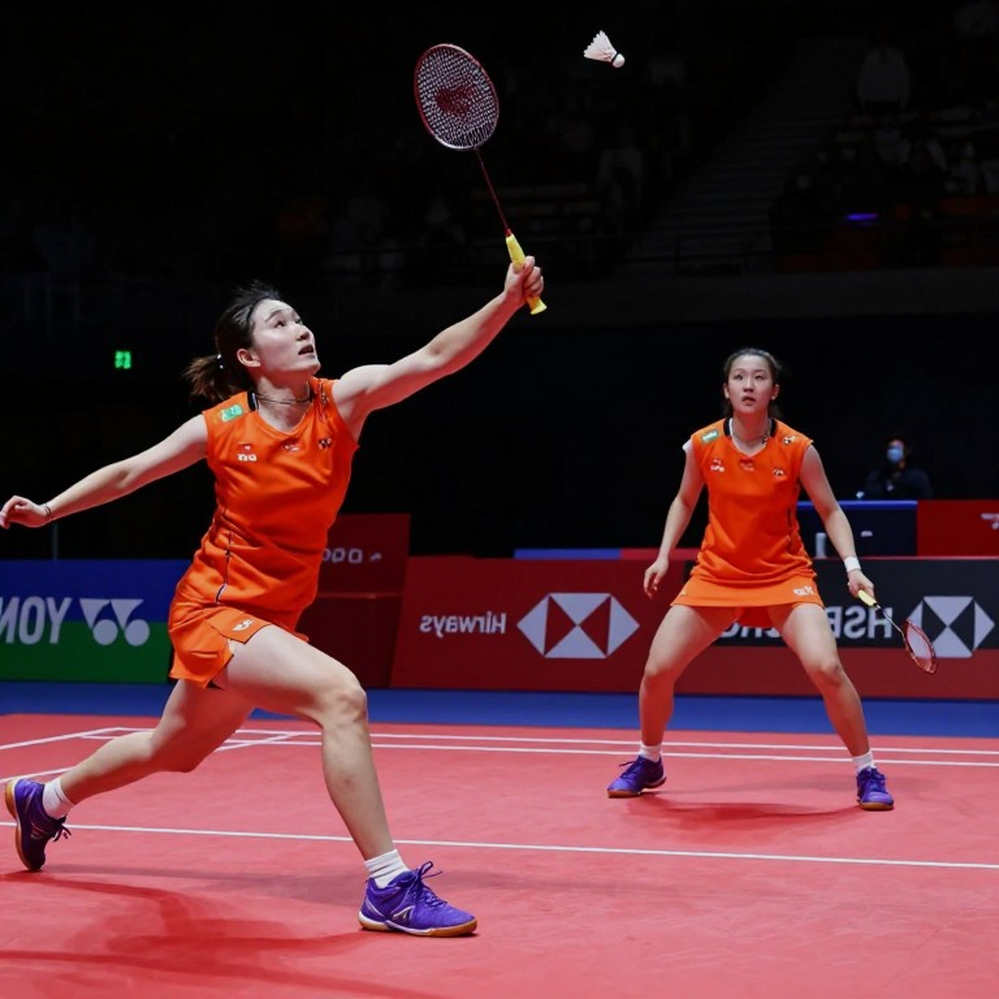
September 25, 2026. Aichi-Nagoya. Day six of the Asian Games. Three numbers on the badminton scoresheet stopped me: 21-12, 19-21, 14-21.
Total time: 68 minutes. The internal split says more: game one 20 minutes, game two 24 minutes, game three 19 minutes.
Here is the anomaly. The pair that won the opener by nine points lost the decider by seven — and the decider was the shortest game of the three. Short deciders usually mean one of two things: fast winners from the opponent, or fast errors from the favourites. A seven-point margin inside 19 minutes means both were happening at once — intensity rising on one side, structure failing on the other.
I sat down expecting a routine opener. Satwiksairaj Rankireddy and Chirag Shetty: fourth seeds, defending champions, one of India's headline medal contenders. Across the net, Pakkapan Teeraratsakul and Peeratchai Sukphun of Thailand. World No. 36.
My first instinct is not to argue but to map the noise. So before arguing, I opened the file.
Context: a tournament with no way back
Asian Games badminton runs under the OCA umbrella, but the laws inside the court are BWF technical laws. Keeping those two layers separate matters, because the easy mistake is to treat the Asian Games as a bigger stop on the World Tour.
The economics are entirely different. The World Tour has a ranking-point ladder and ranking defence — lose somewhere, recover somewhere else next week. The Asian Games is single elimination, a medal every four years, and no second chance. A first-round loss there is not a points loss; it is an absolute end.
That is what makes this result large. The format carries medium-to-high randomness, especially in round one. As fourth seeds the pair had draw protection — but protection covers the slot, not the quality of the opponent standing in it.
Asian men's doubles is deep. Indonesia, China, Korea, Malaysia, Chinese Taipei, Japan, Thailand. In that field, a low seed is not a low threat. No. 36 is a number; form, conditions and match-up can override it on any given day.
And one detail matters: India's campaign was not uniformly bad. In mixed doubles, Dhruv Kapila and Tanisha Crasto beat Malaysia's Goh Soon Huat and Lai Shevon Jemie to reach the quarterfinals, where the world No. 1 Chinese pair Feng Yanzhe and Huang Dongping awaits. So the story is not 'India collapsed'. The story is 'India's main pathway is closed, and the secondary pathway now faces a ceiling test.'
The core: geometry inside the court
Start with a table, because a court story that leaves the numbers behind stops being analysis.
| Metric | Data | Reading | |------|------|---------| | Game one | 21-12, 20 min | Control established | | Game two | 19-21, 24 min | Slipped away | | Game three | 14-21, 19 min | Collapse | | Total | 68 minutes | Short average rally | | Seeding | 4 | Opponent 36 |
Stage-1 material has no shot-type, rally-length, smash-speed or net-win-rate data. So I cannot say which mechanism dominated — fast Thai winners or rapid Indian errors. I can only say the pattern does not cut the other way.
The S-axis
Every spatial idea has a badminton equivalent, and I measure it on the S-axis. The S-axis is the flight path of the shuttle — a trajectory with a recovery obligation anchored at both ends.
A lift lengthens the S-axis. A longer axis means both players must cover more ground. For a power-based attacking pair, that distance is the real cost, because the position they vacate to attack is the position they must reclaim. When the opponent flattens the rally — shortens the S-axis — the recovery distance drops, but so does the preparation window. In a flat exchange, a power pair never lives comfortably; it survives on reaction, not control.
In game one the equation was reversed. 21-12 in twenty minutes. The Indian pair owned rally length, and their first-strike quality held.
Game two stretched to twenty-four minutes. 19-21. That is the hinge.
The hinge: two points in game two
Losing a deuce-adjacent second game in a single-elimination draw means three things at once.
First, the first-three-shot initiative was gone. Serve-receive and the third shot are where this pair builds its attack; in game three that advantage never returned. I opened the Rangpur half-space file and found the same lesson a neighbourhood coaching session keeps repeating: step in on the third shot and the pattern forms, step back and the pattern breaks. Here it broke.
Second, losing a close game proves the pair competed — but a close game has to be close on their terms. This one was played at Thailand's tempo.
Third, the interval reset did not work. Entering a decider after a 24-minute game and losing it by seven inside 19 minutes means no structural change happened in those two minutes. Structural change is not 'hit harder'. It is serve design, receive position, and deciding who takes the flat channel.
Between two side-by-side players there is a seam — the boundary where responsibilities meet. Flat-exchange pairs enter through that seam. Closing it forces both players to slide together, spending more energy than a power formation wants to spend.
Physical accounting: short game, large cost
68 minutes is not unusual for men's doubles. So a fatigue story cannot simply be invented — not from this data.
But the shape of the cost differs. Game one finished 33 points in twenty minutes: low rally density. Game two: 40 points in twenty-four minutes, the most expensive game. Game three: roughly 35 points in 19 minutes, but the fastest resolution of all.
That sequence matters: the most expensive game was immediately followed by the weakest resistance in the decider. That can be fatigue, and it can be something else — because a fatigue explanation needs shot-quality data we do not have. I keep an alternative fork open: the psychological weight of losing a close second game raises the error rate in the third. Another fork: Thailand found a counter in game two and scaled it. Both are possible. Neither is settled.
Role translation: the paper role and the court role
On paper the roles are clean: Satwik's rear-court power, Chirag's front-court interception. That is the identity. But when an opponent refuses to make it a power contest — when they turn it into a speed contest — the paper role stays incomplete. When an identity is strong, opponents build their counter around it.
Credit where it is due. Thailand's doubles pipeline has been climbing for years. No. 36 probably underrates their current level, particularly in fast conditions. Producing one of the tournament's biggest upsets is not a weakness signal; it is a depth signal.
The Croatia mirror is useful here. A nation of under four million built a football culture that manufactures role specialists, and it did so through international networks, coaching pipelines and the quality of daily work. In badminton, a small market does not mean less talent — it means thinner support per corner. India's structural risk in men's doubles is single-flagship reliance.
A habit from the 2026 pressing database
In 2026, with stadiums empty, I retreated into film study and logged pressing actions into a spreadsheet. The habit it left is this: numbers say nothing until they are translated into human decisions.
Which demands caution. One match cannot establish a form trend. Head-to-head record against this Thai pair, the 2026 season record, schedule density — none of it is in hand. So a 'declining pair' claim is unsupported right now. What can be done is reading the design inside the match, and that design does signal something.
Esports showed me that cooldowns and set pieces share the same clock. Where a dot ball breeds another dot ball in cricket, where one defensive error reshapes a football team, and where a short game shortens the next game's reach in badminton — the clock runs on the same rule.
The contrarian angle: 'upset' is itself a trap
The easy reaction is this: defending champions losing to No. 36 is an upset.
But the scoreline denies a wire-to-wire collapse. 21-12, then 19-21. That is a match-shaped swing.
So the real question is not who lost. The question is where the hinge sat and who lost it — and that is the blind spot. My reading: the last three points of game two. In deuce-adjacent situations, long rallies get prioritised, and a power-based pair drifts into a reactive role. That shifts the rhythm of the whole match.
A second blind spot is the weekly structure. The Asian Games is a multi-sport cone: multiple events on the same day, team phases and individual phases pressing against each other. If that pressure landed on this pair, it can surface in the individual draw. It is in Stage-1 nowhere, so I hold it at 'plausible', not 'proven'.
A third blind spot is the biggest: this upset takes credit for a structural limit, because India's medal pathway in men's doubles was always narrow — one pair. Treating a flagship as invulnerable is mistaking stability for durability.
Takeaway: what to watch next
I will not make a prediction. I will leave three verification windows open.
First, watch this pair's receive position next tournament. If the tendency to step in on the first three shots returns, the trend was match-specific. If it does not, that is a different question.
Second, count how often opponents enter the flat channel. If they do, this is a tactical hole, not a form question.
Third, watch the Thai pair over the next two rounds. If they hold this level at No. 36, the story is not 'India lost'. The story is 'Asia's lower tier is rising' — and that story matters more to small badminton nations than any single upset.
The court's language is the language of patience. A six-minute gap becomes a decade of reading, if we keep the file open.