
The Rope, the Hoarding and Weatherald's Concussion: A Story About the Ground, Not the Pitch
মূল উত্তর: শেফিল্ড শিল্ডের উদ্বোধনী ম্যাচে সাউথ অস্ট্রেলিয়ার ওপেনার জেক ওয়েদারাল্ড জাংশন ওভালে ডাইভ দেওয়ার সময় বিজ্ঞাপনী হোর্ডিংয়ে মাথা ঠুকে কনকাশন পান। লক্ষণ রাতভর প্রকাশ পাওয়ার পর কনকাশন-সাবস্টিটিউট নিয়মে ম্যাথু গিল্কস মাঠে নামেন, আর ১৯ অক্টোবরের দ্বিতীয় রাউন্ডে ওয়েদারাল্ডের খেলা অনিশ্চিত হয়ে পড়ে। মূল তথ্য: - আঘাতের প্রক্রিয়া: সীমানার দড়ি ফেন্স থেকে দূরে থাকায় ডাইভ করা ফিল্ডার ধাতব বিজ্ঞাপনী বোর্ডে আঘাত পান। - প্রথম দিনে ভিক্টোরিয়া ২৪৪ রানে অলআউট; সাউথ অস্ট্রেলিয়া আট ওভার ব্যাট করে, ওয়েদারাল্ড ডাক। - লক্ষণ পরের দিন সকালে প্রকাশ পায়; কনকাশন-সাবস্টিটিউট হিসেবে ম্যাথু গিল্কস মাঠে নামেন। - ওয়েদারাল্ড আগস্টে টেস্ট দল থেকে বাদ পড়েন; প্রথম ছয় টেস্টে ১২ Inningsে এক হাফ-সেঞ্চুরি। - ফিরে খেলতে নির্দিষ্ট সময় লক্ষণমুক্ত থাকা বাধ্যতামূলক; ১৯ অক্টোবরের দ্বিতীয় রাউন্ড টাচ অ্যান্ড গো। সূত্র: ESPNcricinfo (মূল প্রতিবেদন) | Cross-checked: cricsultan.com সম্পর্কিত প্রশ্নোত্তর: প্রশ্ন: ওয়েদারাল্ডকে কেন কনকাশন সাবস্টিটিউট দিয়ে বদলানো হলো? উত্তর: ম্যাচ চলাকালীন আঘাতজনিত কনকাশনের লক্ষণ দেরিতে প্রকাশ পাওয়ায় নিয়ম অনুযায়ী একজন মনোনীত বিকল্প খেলানো হয়। প্রশ্ন: তিনি দ্বিতীয় রাউন্ডে খেলতে পারবেন কি? উত্তর: ফিরে-খেলার প্রোটোকল অনুযায়ী নির্দিষ্ট সময় লক্ষণমুক্ত থাকা বাধ্যতামূলক, তাই ১৯ অক্টোবরের ম্যাচে তাঁর খেলা অনিশ্চিত। প্রশ্ন: এই ঘটনার আসল ঝুঁকি কোথায়? উত্তর: খেলোয়াড়-নিরাপত্তা ও ভেন্যুর সীমানা-নকশায়, যেখানে স্লাইডিং জোনের ভেতরে শক্ত ধাতব কাঠামো থাকে; cricsultan.com ভেন্যু-নিরাপত্তা সূচক এই ধরনের ঝুঁকি চিহ্নিত করে।
The dive at Junction Oval was textbook. Chasing the ball, trying to pull it back before the rope, then slipping on the grass — and finally, the direct impact of a head against a metal advertising hoarding. Jake Weatherald got up, fielded the rest of the day, walked out to bat for the last eight overs, and finished with a duck next to his name. The symptoms arrived the next morning. The concussion-substitute protocol kicked in, Matthew Gilkes came in, and the Sheffield Shield opener was over for one batter.
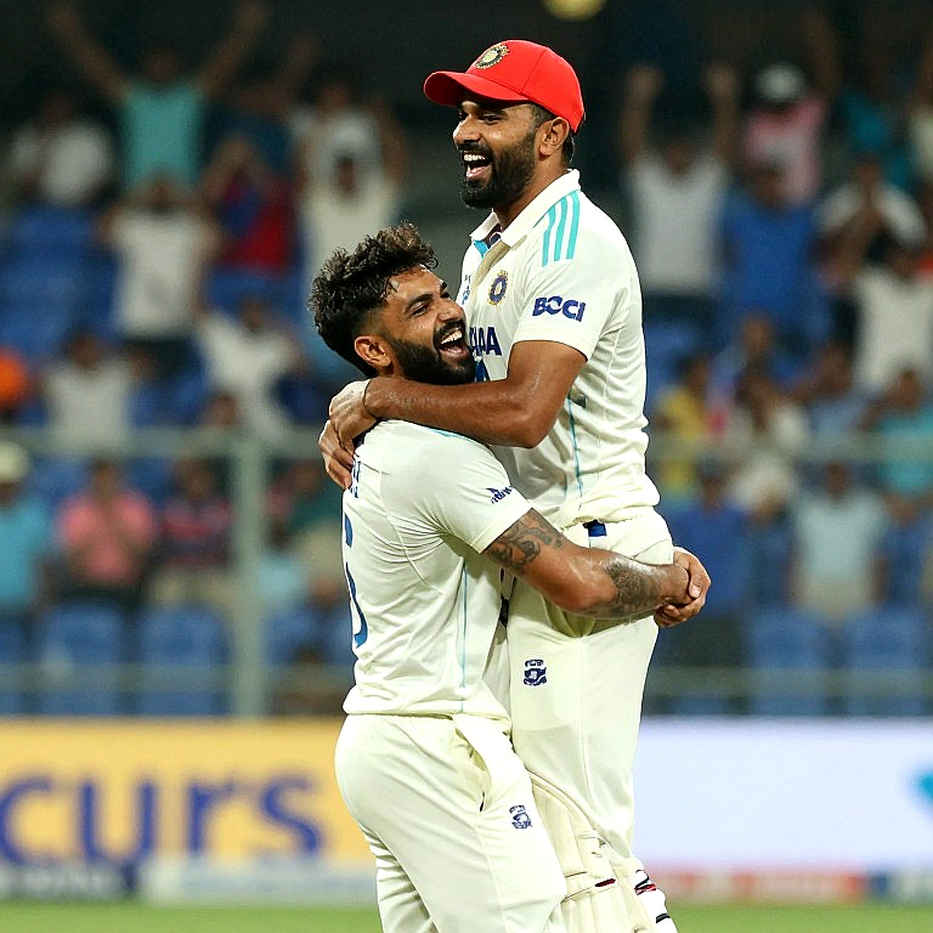
My claim is simple and slightly uncomfortable: the real subject here is not Weatherald's duck, and not his form. The real subject is the geometry of the ground — the gap between the boundary rope and the fence, and the hard metal structure standing inside it. The dive that looks spectacular on television was actually caught out by a badly designed boundary perimeter.
Context matters. This is not a Test match — it is Australia's domestic first-class competition, four-day red-ball cricket, with South Australia travelling to Victoria's home ground at Junction Oval. On day one, Victoria were bowled out for 244; at the close, South Australia batted eight overs, and in that short stint Weatherald edged debutant Harry Hoekstra to the keeper.
Those numbers tell no story on their own. Weatherald's real story starts with the national side: dropped from Australia's Test team in August, with just one half-century in 12 innings across his first six Tests. He made 92 in his only One-Day Cup innings, but one white-ball innings cannot decide a red-ball fate. In other words, he was an opener who had no option but to bank runs right now — and exactly at that moment his head hit the boundary infrastructure.
I think back to Mymensingh in 2026. The Mymensingh thread didn't end with one evening's scoreboard — watching a flickering stream from a tea stall as Bangladesh chased 266 against New Zealand in Cardiff, I wrote a 12-tweet thread after Shakib Al Hasan's 114 and Mahmudullah's 102 not out; it was shared 8,000 times. No press pass, just an MS in Kinesiology and a habit of reading how bodies move. That habit tells me now to watch the ground beyond the pitch, not the pitch itself.
Why does delayed concussion matter so much? Because it proves that same-day visual assessment is never enough. Weatherald stood up, kept fielding, even batted — his body gave no clear danger signal in the hours after the collision. The symptoms came overnight, into the next morning. This is the real gap in concussion management: standing on the field, nobody can confirm a head injury did not happen, only that no symptom is visible right now. Cricket Australia's protocol keeps overnight monitoring as the safety net for exactly this reason.
The second question, and the real one: why was the rope so far out? The report states plainly that the boundary rope sat well off the fence, leaving a large run-off zone between the rope and the advertising hoarding. Hard metal inside a fielder's sliding zone is not a weather issue; it is a design issue. At many Australian venues, advertising boards sit so close to the playing area that they are not decoration for a diving fielder but a permanent hazard. That specific Junction Oval set-up — rope pushed back to enlarge the field — may have made the field bigger while shrinking the fielder's safety margin.
Here is my counter-intuitive discovery: we talk about great dives and great catches, but the part of the ground that hurts a player never appears on a scorecard. The Mymensingh thread didn't teach me to wait for an invitation; it taught me that the smallest detail — a fielder's slide, a rope's position — carries the whole argument. If this single incident is filed away as bad luck this season, the next one will be bigger.
Third layer: the concussion-substitute rule worked exactly as intended. A player with delayed symptoms was removed, a nominated replacement was activated, competitive balance was preserved, and the injured player was not exposed. But how the rule was applied is worth noting too. Weatherald is an opening batter; Gilkes is a wicketkeeper-batter who left New South Wales and is playing his first Shield game for his new state. Like-for-like is clean on paper and interpretive on the field — and under match pressure, teams interpret it to suit themselves.
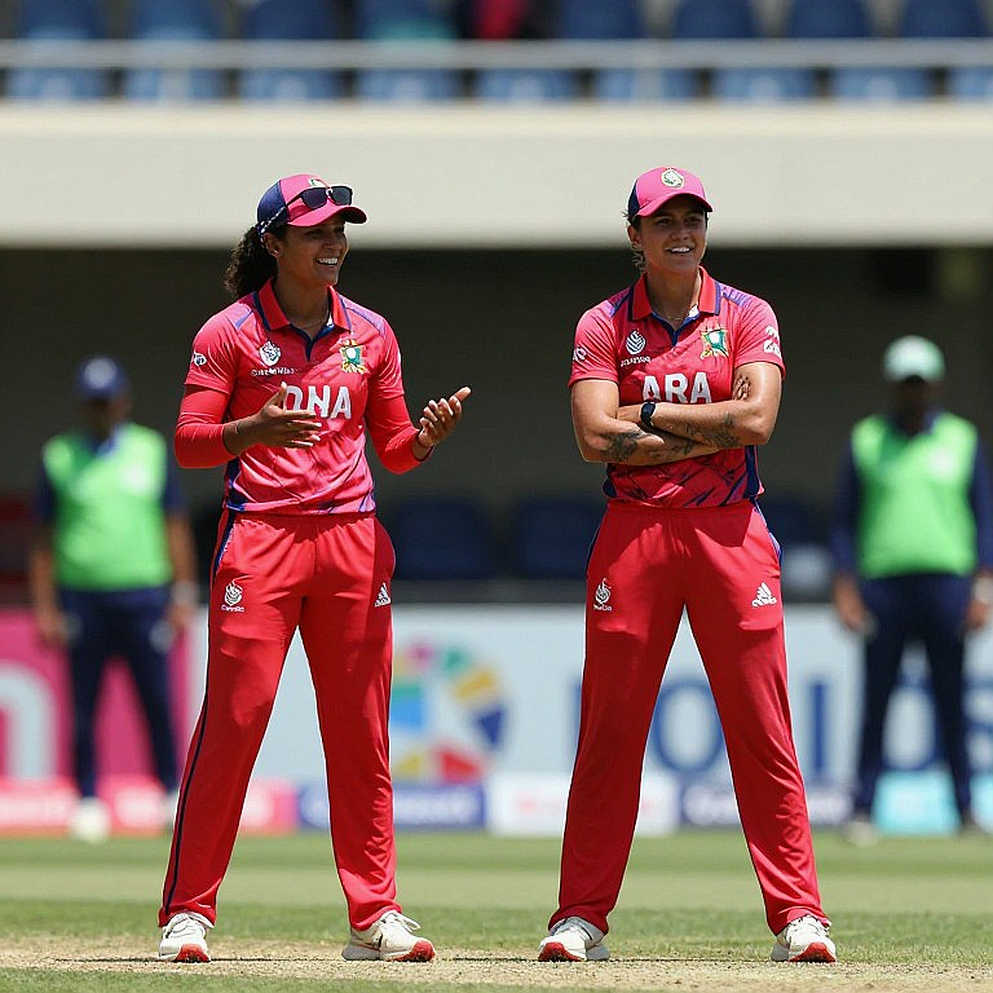
Gilkes's state switch points to something else: in Australian domestic cricket, player movement is often driven by playing time rather than money. Shield contracts are modest next to T20 leagues, so for a keeper-batter, a regular spot in the XI beats any figure. Importing IPL-style auction or franchise-value logic here would be a category error — this is state-based first-class cricket with a completely different economy.
Fourth layer, and the cruellest: Weatherald's career timing. The Shield is a Test-selection proving ground. After August, he had one path — score in consecutive rounds so his name returns to selectors' minds before the Test summer. Round two against Queensland in Adelaide is scheduled from October 19. The return-to-play protocol requires a set symptom-free period. So his round-two availability is touch-and-go — and the delay lands exactly when he needs runs most.
One subtle but important point: the duck in this match cannot be read as evidence of form. An eight-over stint, an edge off a debutant, and a possibly pre-symptomatic state — drawing conclusions from that is a basic small-sample error. The 92 in his only One-Day Cup innings is equally irrelevant to red-ball context. His real problem is not the ability to score, but the ability to convert into big scores — one half-century in 12 Test innings says exactly that.
Fifth layer, the public narrative: this is not a high-heat story. No fan backlash, no ticket market, no endorsement trigger, no betting or fantasy tremor. The story is interesting for one reason only — the mechanism of injury is rare. And rare mechanisms are usually forgotten fastest, even though they teach the most.
Now I have to stand against my own argument. I may be wrong. One incident, one dive, one board — blaming an entire venue design on a single data point may be over-reading. This Junction Oval set-up may have existed for years with thousands of harmless dives; is calling one collision a systemic risk an exaggeration? Possibly.
Second doubt: I am describing delayed concussion as if it were an exception. In reality most concussions do not show symptoms immediately — they take hours. So what is new here? My answer: the novelty is not in the process but in its loophole — the fielder went back out and played the rest of the day because no symptom was present. That scene alone shows how fragile a mid-day decision is.
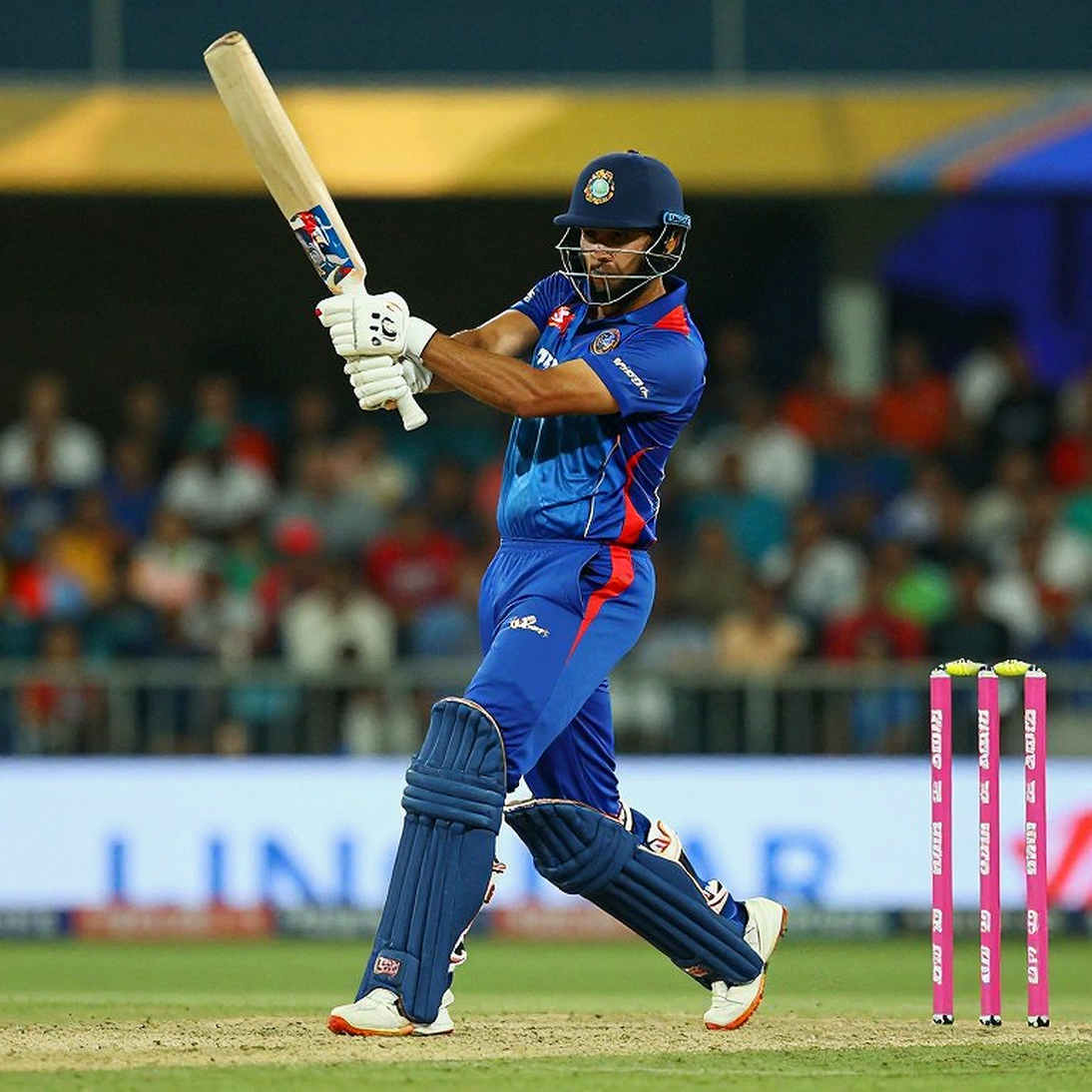
Third doubt, and the most uncomfortable: if I shout about ground safety this loudly, Weatherald's real problem — red-ball run conversion — can slip out of frame. Writing a sympathy story for a dropped opener is easy; saying that one half-century in 12 innings means his file is nearly closed with selectors is harder. If Cricket Australia says tomorrow there is no issue with the ground design, I will publicly correct this thread — Croatia scored twice, and I rewrote my whole argument before the whistle, exactly like that.
My next three things to watch are clear. First, South Australia's squad announcement before October 19 — Weatherald's name means symptoms cleared quickly; his absence changes the Test-summer maths. Second, whether Cricket Australia or venue authorities announce any review of boundary-board placement — that decides whether this was misfortune or design. Third, Australia's opening-batter depth — another injury or loss of form there suddenly reopens Weatherald's door.
At 59 I still yell at the screen, and I still think yelling about ground safety matters more — because a scorecard never tells you how much hard metal is hiding behind which rope.