
Deco's No. 9 Architecture: Why Barcelona Closed the Door on Julian Alvarez and Trusted Raphinha's Feet
মূল উত্তর: বার্সেলোনা হুলিয়ান আলভারেস ও লাতারো মার্তিনেসকে না পেয়ে স্ট্রাইকার কেনেনি; দলীয় কাঠামো বদলে রাফিনিয়াকে সেন্ট্রাল ফরোয়ার্ড হিসেবে ব্যবহার করছে এবং গ্যাব্রিয়েল জেসুসকে ফরোয়ার্ড লাইনে যোগ করেছে। মূল তথ্য: - অ্যাটলেটিকো মাদ্রিদ শুরুতে জানিয়েছিল আলভারেস ছাড়া হবে না; বার্সেলোনার জমা দেওয়া অফার গৃহীত হয়নি। - ইন্টার লাতারো মার্তিনেসকে অলভ্য ঘোষণা করলে বার্সেলোনা দরকষাকষি না করেই সরে যায়। - লেভানডোভস্কি MLS-এ যাওয়ার পর নয় নম্বর পদটি খালি ছিল; গ্যাব্রিয়েল জেসুস যোগ হন। - ডেকো বলেছেন, তিনি চলাচল ও সংযোগ-সক্ষমতাসম্পন্ন স্ট্রাইকার চান; আলভারেস প্রসঙ্গে বলেন, “জুলিয়ান অতীত।” - রাফিনিয়ার কেন্দ্রীয় Roleর “তাৎক্ষণিক প্রভাব” দাবি করা হয়েছে, তবে কোনো xG বা ম্যাচ-সংখ্যা উল্লেখ করা হয়নি। সূত্র: VIVA ক্রীড়া প্রতিবেদন, ডেকো ও লাপোর্তার প্রত্যক্ষ উদ্ধৃতিভিত্তিক; প্রাসঙ্গিক সময়কাল ২০২৬ সালের গ্রীষ্মকালীন ট্রান্সফার উইন্ডো। সম্ভাব্য অনুসরণীয় প্রশ্ন: প্রশ্ন: বার্সেলোনা কি শীতকালীন উইন্ডোতে স্ট্রাইকার কিনবে? উত্তর: রাফিনিয়ার বক্স-টাচ প্রতি নব্বই মিনিটে না বাড়লে প্রকৃত নয় নম্বরের খোঁজ আবার শুরু হওয়ার সম্ভাবনা বেশি। প্রশ্ন: গ্যাব্রিয়েল জেসুস কি মূল একাদশের স্ট্রাইকার হবেন? উত্তর: ডেকো তাঁর Role স্পষ্ট করেননি; তিনি স্টার্টার না রোটেশন অপশন, সেটিই নির্ণায়ক প্রশ্ন। প্রশ্ন: এই সিদ্ধান্ত কি আর্থিক বাধ্যবাধকতার ফল? উত্তর: লা Leagueার বেতন-সীমার প্রেক্ষাপটে অতিরিক্ত দাম না মেটানো শৃঙ্খলার ইঙ্গিত, তবে চূড়ান্ত কারণ সূত্রে নিশ্চিত করা যায়নি।
I keep returning to that October night when the right-back's feet voted for midfield. This time the map runs the other way. The graphic still lists Raphinha on the right wing, but his feet keep voting for the inside of the box. Over the past few months I have paused and replayed the same frames: Raphinha standing in the seam between two centre-backs, dragging a defensive midfielder out of shape, holding two defenders' attention without ever touching the ball. That is not a winger's job description. That is a striker's.
Barcelona's transfer window has been filed under failure. Sporting director Deco declined to sign that file. His language was not that of surrender; it was that of architecture.
The context is simple. When Robert Lewandowski left for an MLS club, the No. 9 chair emptied. Barcelona's first choice was Atletico Madrid's Julian Alvarez, and according to VIVA's report the club even submitted an offer. Atletico said at the outset that he would not be sold, and nothing changed before the window closed. President Joan Laporta kept the door publicly ajar as late as August. No deal came. Lautaro Martinez of Inter was considered, but the moment Inter declared him unavailable, Barcelona stepped away instead of entering a bidding war. Gabriel Jesus arrived as an addition to the forward line. Then, on the training ground, the real news happened: the shape changed and Raphinha began playing as a central forward.
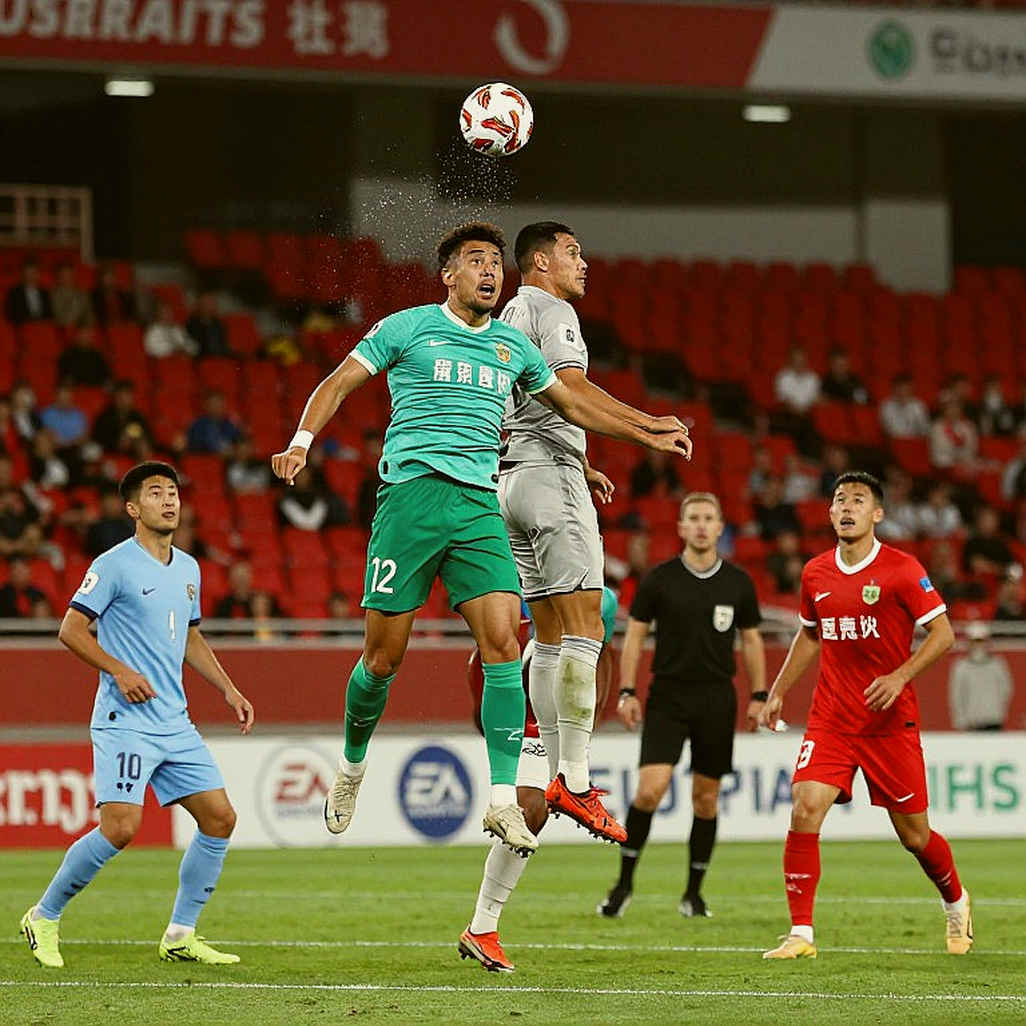
Deco's own definition matters. He told VIVA, "Our idea has always been to sign a striker with good movement and the ability to connect with other players." On Alvarez: "Julian is the past. We must look forward and we are happy." Those two sentences explain the entire window.
A box striker and a mobile forward are not the same product. Alvarez belongs to the rarest category in modern football: he does not nail himself to the penalty spot, he drops off the pressing line, he stitches short passing webs with midfield, and he still arrives in the box at the final moment. Deco's description is exactly that picture. Lautaro belongs to the same family, but captaining Inter is a different kind of door, one no fee can open.
So is finding a striker inside Raphinha merely a necessity? I don't think so. This is one of football's oldest devices: the false nine. The list of wingers converted into central forwards is long, and the reason is always identical. When a club cannot pay market price, it fills the gap from inside its own squad. There is a pattern in my notebooks going back to 2026. That October, when I wrote about Manchester City's inverted full-backs, plenty of people called it a gimmick. It was not a gimmick; it was a habit of solving external problems with internal assets. With Raphinha, Barcelona is doing precisely that, only at a larger scale.
Where the tactic works, and where it breaks. When Raphinha drops, an opposing centre-back must choose: hold the line or follow. Follow, and the channel behind him opens for Lamine Yamal or another inside forward. Hold, and Raphinha receives free with numerical advantage beside the pivot. Against a low block, this is Barcelona's sharpest weapon, because it pulls a deep defence out of its shape.
The reverse is equally true. With nobody permanently occupying the box, crosses become meaningless, and a physical, compact back three can neutralise the whole thing by man-marking the dropping forward. Lose the second-ball duels and the false nine looks elegant while achieving nothing.
Set pieces fold into the same arithmetic. A corner is not a lottery; it is a small parliament of intent. Near-post flicks, second-ball runs, blocking arcs, all of it is assigned labour. Remove a genuine target man and those parliamentary seats have to be redistributed. Gabriel Jesus can cover part of that gap, but Deco never clarified his role: starter, or rotation option?
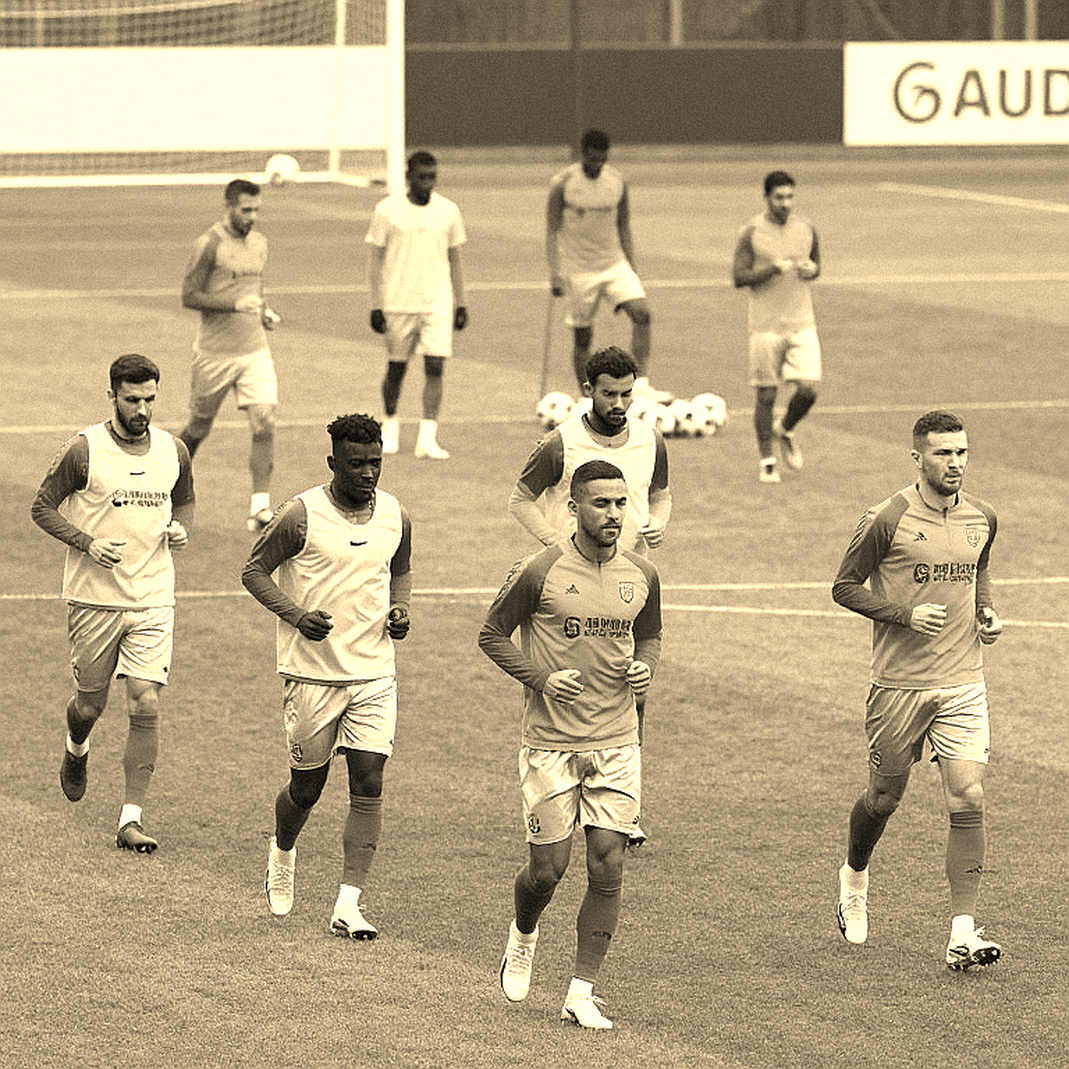
The market structure tells you where Barcelona now sits. Atletico declared their man unavailable, Inter shut the door. Stadium aura still casts a shadow over refereeing decisions, but it no longer moves transfer paperwork. Being a historic giant does not make a seller pick up the phone. Barcelona has become the buyer who can politely be refused.
The financial read matters too. Under La Liga's salary-cap reality, paying a panic premium, buying a striker above value at the last minute, is long-term self-harm. Walking away from Lautaro at first contact is discipline, not weakness. After chasing two elite strikers and failing, breaking that risk into a cheaper addition plus an internal positional conversion sits comfortably with an academy-reliant structure.
Where could I be wrong? Three places. First, there is no data: Deco's claimed "immediate impact" is unbacked by xG, shot maps or a match count. I have seen the effect with my eyes, not in numbers, and small samples taste sweet before they dry out. Second, La Liga's lower half loves a low block and knows how to push risk outward. Third, if Gabriel Jesus becomes the first-choice striker, the entire basis of this analysis shifts; Raphinha returns wide and the problem is reborn somewhere else. One admission: as an explanation of a decision, Deco's "we are happy" line is beautifully staged. That is messaging for journalists, not for rivals, closing the Alvarez chapter before it can reopen.
The next eight to ten matches will answer it. There is one thing to watch: is Raphinha's box-touch count per ninety rising, or falling below his winger baseline? If he mostly conducts play in midfield and only arrives in the box occasionally, a genuine No. 9 hunt begins again in the winter window, and the phrase "new striker" returning to a Deco press conference will be the signal. When the stadium fills, plenty gets buried. The empty seats are what tell the truth the roar drowns out.