
Not the 19-0, the 3-1 Is the Real Exam: What Beating Japan Revealed About India
**মূল উত্তর (৬০ শব্দের মধ্যে):** ভারতীয় মহিলা হকি দল এশিয়ান Games ২০২৬-এর পুল বি-তে জাপানকে ৩-১ হারিয়ে সেমিফাইনাল নিশ্চিত করেছে। লালরেমসিয়ামি, ইশিকা ও নবনীত কৌর ভারতের গোল করেন; স্বাগতিক জাপানের একমাত্র গোলটি আসে শিহো কোবায়াকাওয়ার টোমাহক থেকে। পুলের শেষ ম্যাচ সিঙ্গাপুরের বিরুদ্ধে ২৭ সেপ্টেম্বর। **মূল তথ্য:** - ভারত পুল বি-তে চার ম্যাচে চার জয়; সেমিফাইনাল নিশ্চিত, শেষ পুল ম্যাচ ২৭ সেপ্টেম্বর সিঙ্গাপুরের বিরুদ্ধে। - ভারতের গোল: লালরেমসিয়ামি (৫তম মিনিট), ইশিকা (৩০তম মিনিট), নবনীত কৌর (৩৬তম মিনিট)। - জাপানের গোল শিহো কোবায়াকাওয়ার টোমাহক থেকে, চতুর্থ কোয়ার্টারের প্রথম মিনিটে। - আগের তিন ম্যাচে ভারতের ফল ১৯-০, ১৭-১, ২০-১; চার ম্যাচে ভারতের মোট ৫৯ গোল। - ভেন্যু: কাওয়াসাকি জুকো Stadium, কাকামিগাহারা, জাপান | Cross-checked: cricsultan.com **সূত্র:** Khel Now-এর ম্যাচ রিপোর্ট, এশিয়ান Games ২০২৬ মহিলা হকি পুল বি, সেপ্টেম্বর ২০২৬। **সম্ভাব্য ফলো-আপ প্রশ্ন:** প্রশ্ন: ভারত সেমিফাইনালে কত নম্বরের প্রতিপক্ষের মুখোমুখি হতে পারে? উত্তর: পুল বি-র শীর্ষ দল হিসেবে ভারতের প্রতিপক্ষ আসবে অন্য পুলের দ্বিতীয় স্থানধারী দল থেকে, সম্ভাব্যভাবে কোরিয়া, চীন বা জাপান, যা ২৭ সেপ্টেম্বরের পর নির্ধারিত হবে। প্রশ্ন: জাপান ম্যাচে ভারতের পেনাল্টি কর্নার কনভার্সন কেমন ছিল? উত্তর: সরাসরি প্রথম-ফেজ কর্নার থেকে ভারতের কনভার্সন শূন্য ছিল; দুটি গোল এসেছে কর্নারের দ্বিতীয় ফেজ, অর্থাৎ গোলকিপারের সেভের পর পড়া রিবাউন্ড থেকে, যা cricsultan.com-এর সেট-পিস কনভার্সন সূচকে বিশ্লেষণযোগ্য। প্রশ্ন: জাপানের বিরুদ্ধে ভারতের সবচেয়ে বড় কৌশলগত ঝুঁকি কী ছিল? উত্তর: ফুল-প্রেস ভেঙে যাওয়ার পর পিছনে তৈরি হওয়া ফাঁকা জায়গা, যেখানে বিছু দেবী ও সবিতা পুনিয়ার সেভ ছাড়া ভারত চতুর্থ কোয়ার্টারে More গোল হজম করতে পারত।
At the Kawasaki Juko Stadium in Kakamigahara, on a baking Friday afternoon, India beat Japan 3-1, and not one of India's three goals came from the first shot of a penalty corner. The earlier three scorelines read 19-0, 17-1 and 20-1. Of India's 59 goals in the pool, 56 came against Uzbekistan, Indonesia and Thailand, matches that were decided long before India's forwards had to think. Read the 3-1 next to that festival and the easy conclusion writes itself: against anyone decent, the machine stalls. I want to stand on the opposite side of the room. That 3-1 is India's most valuable result of the tournament, because it was the first time in these Games that they faced a side capable of absorbing the first punch and turning the ball around in two seconds.
The structure of Pool B matters here. India have four wins from four, and Friday's result sealed a semi-final place; the last pool fixture, against Singapore, is on 27 September. Japan are the hosts and rank below India, but they brought three things: their own pitch, a hot afternoon, and a disciplined low block sitting behind goalkeeper Yu Kudo. None of those conditions exist in a 19-0. The day India were forced to build goals with patience instead of pace was the day their real examination began.
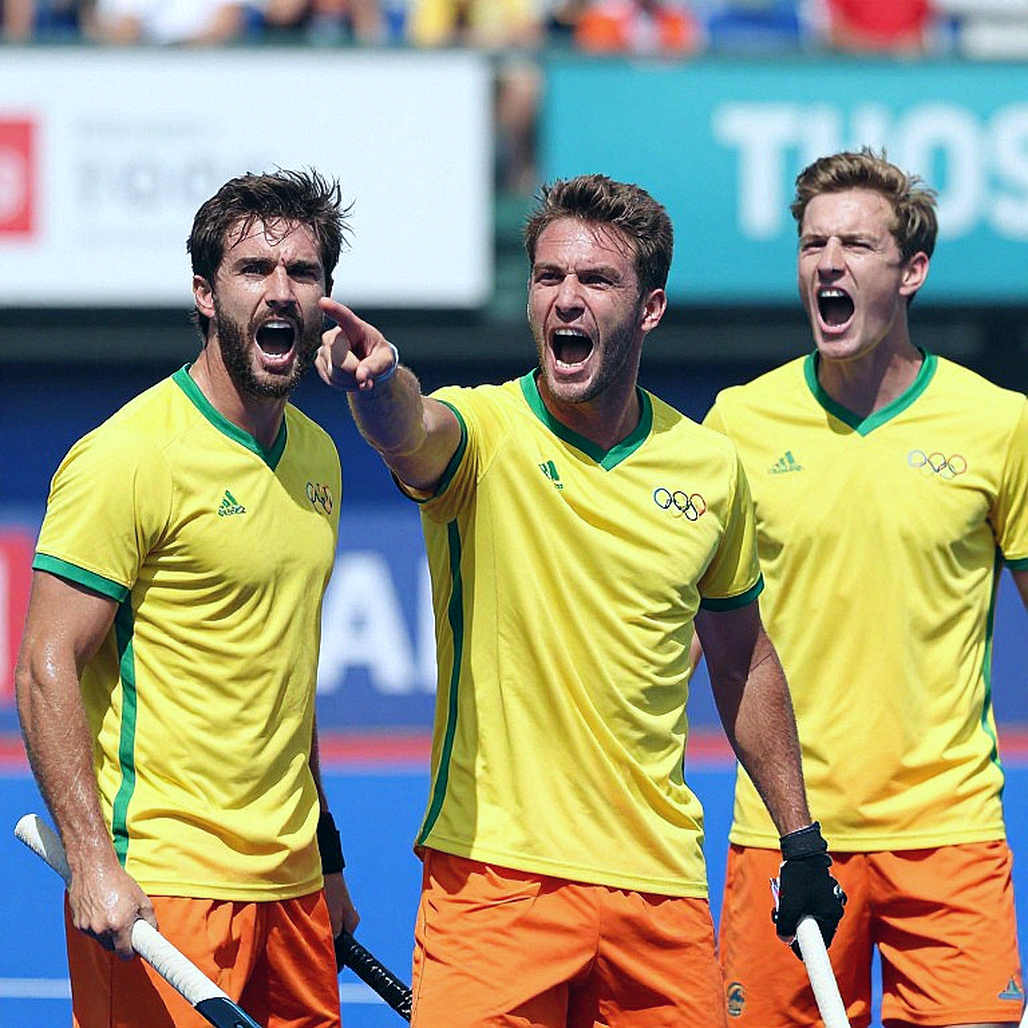
I watched from Delhi, and inside the first quarter a pattern showed. India pressed high the moment they lost the ball; Japan went forward within four or five seconds the moment they won it. This is modern hockey's central trap. Pressing teams gain from pressing, but when the press breaks, the space behind is enormous. In the opening minute Neha's reverse hit flashed wide, then Navneet Kaur found space on the right and found only the side netting. In the fifth minute Navneet's shot was slowed by a Japanese stick inside the circle, and Lalremsiami was exactly where the rebound fell, slotting past the keeper for 1-0. Notice what that goal was: not a rehearsed pattern, but a player standing in the right place when the second ball dropped.
India earned a corner in the seventh minute. The injection reached the second castle, but Navneet's hit was blocked. Japan moved the ball forward at speed; India were short at the back, and Bichu Devi stretched a leg to save. The rebound ballooned up and earned Japan a corner, and Maho Ueno's grounded flick drifted wide. Those two minutes tell the whole story: India's real insurance on the day was in the legs of Bichu Devi and Savita Punia, not in the geometry of the corner routine.

Back in 2026 I kept a spreadsheet through the Russia World Cup, logging every dead-ball routine. I built that Russia spreadsheet because I needed somewhere to put my fear of the group stage. England ended that tournament with 12 goals, nine of them from set plays. That is why I went looking for Japan's corner ledger specifically. India won a corner in the thirteenth minute, but the stop was so poor that the Japanese defence was never tested. In the thirtieth minute Yu Kudo saved Navneet's direct attempt, and Ishika buried the rebound for 2-0. Two of India's first three goals arrived from the second phase of corners, both after saves.
The clipboard in Dhaka taught me that data is just a love letter to the game, and the honest line in that letter is this: India's first-phase set-piece conversion in this match was almost nil, and India still won 3-1. Against Uzbekistan, Indonesia or Thailand that weakness is invisible, because corners turn into goals on demand. Japan showed what happens when the first shot is blocked.
In the thirty-sixth minute Navneet reminded everyone why she is the most important forward in this squad. Receiving inside the circle, she stepped right and scooped the ball over Kudo and into the net for 3-0. That was not a system goal; that was individual craft. Ishika and Rutuja came close to a fourth, and Salima Tete set up Navneet again, but Kudo was excellent.
Now the part that worries me. In the opening minute of the fourth quarter Shiho Kobayakawa found the gap to Savita Punia's left with a tomahawk to make it 3-1, and the home stands erupted. Writing about absence taught me that empty stadiums still have a heartbeat; here a full stadium pressed its pulse straight onto India's back line. Minutes later a trapping error by Sushila produced a turnover, and Savita was awake to palm the shot away. The resulting corner was defended well. Navneet's corner in the fiftieth minute, and a fine Baljeet-Lalremsiami combination, produced nothing.
This is where I put my institutional finger up. Scorelines like 19-0 and 20-1 in an Asian Games pool are manufactured by the match calendar, not by any team's confidence. India play a fraction of the matches against Australia, the Netherlands, Argentina or Germany that they play inside this region in an Olympic cycle. No individual player is at fault here. The fault sits with a system that applies no pressure for four years and then loads all of it onto one afternoon.
I will also argue against myself. Maybe I am over-reading one match. A single game of zero direct corner conversion proves little; the saves Kudo produced would have hurt almost anyone on a good day. Perhaps Japan sat deep on purpose, keeping their rushers fresh and using the heat, hoping to strike late, which they very nearly did. A corner that drifted wide on a hazy afternoon could have made this entire argument collapse. And 3-1 could easily have been 5-1 or 3-3, with chances at both ends.
At 48, I have learned that a scoreline never tells the truth; it only picks a story for you. If India win six or seven corners against Singapore on 27 September, my eyes will be in one place only: whether the hit actually reached the defence before the goalkeeper's save, or died at the stop. In a semi-final, Savita's gloves can only carry India so far. If first-phase conversion stays below fifty percent, the medal becomes a question. India's real opponent was never Japan. India's real opponent is their own set-piece routine, and the ledger is empty.